
Unpacking the Cult Classic: A Big Trouble in Little China Analysis for Aspiring Writers
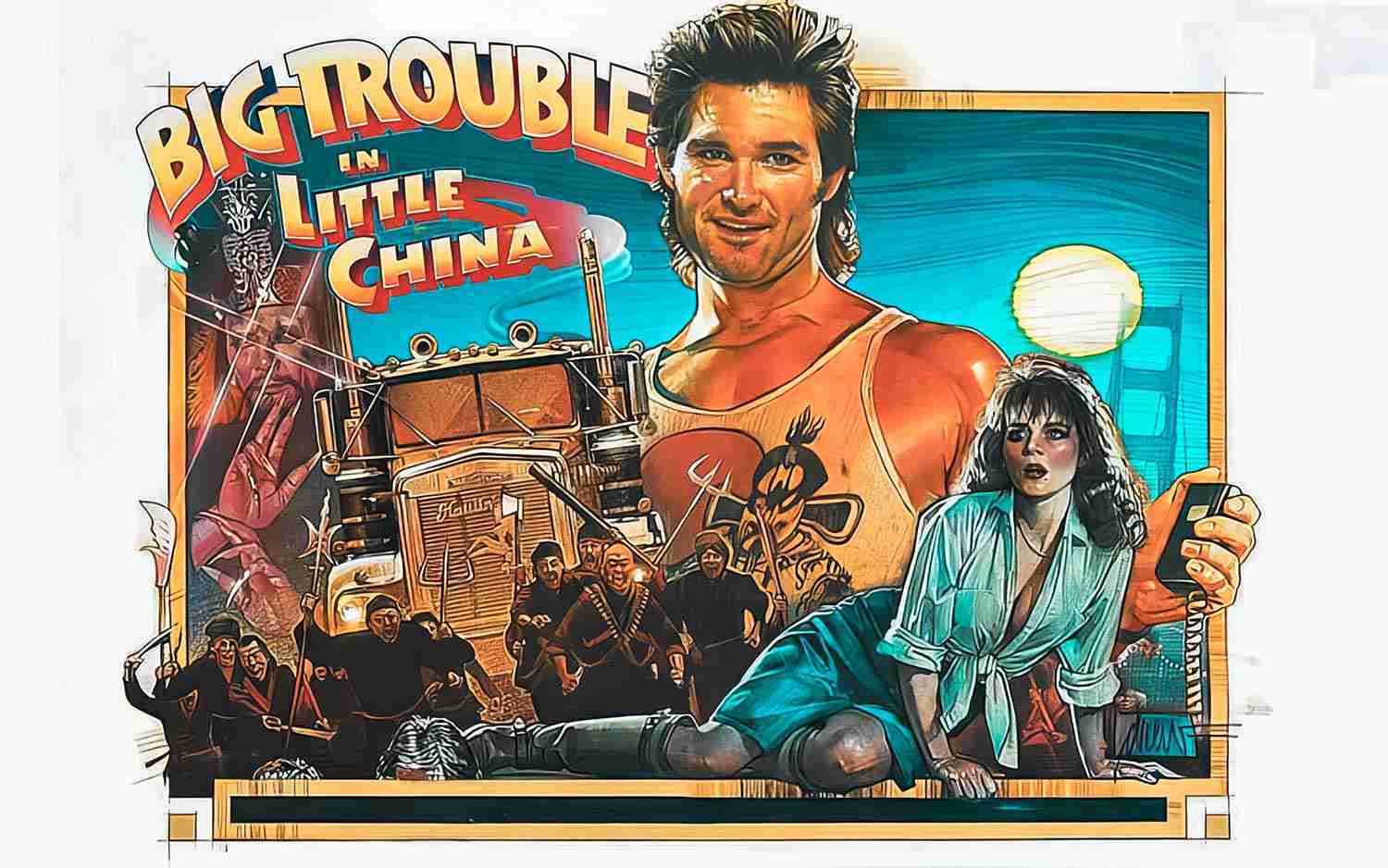
This Big Trouble in Little China analysis explores John Carpenter’s 1986 supernatural fantasy martial arts action-comedy, a genre mash-up packed with humor, mysticism, and over-the-top bravado. At its heart is Jack Burton—a funny, courageous buffoon who embodies blind luck, tough-guy bluster, and accidental heroism—making the screenplay a masterclass in subverting expectations. For writers blending action, fantasy, and comedy, the film’s biggest challenge is crafting a “hero” who’s mostly a hilarious idiot yet still drives the story forward through sheer reflex (or luck?).
Building Tension and Conflict: Core Elements in Big Trouble in Little China Analysis
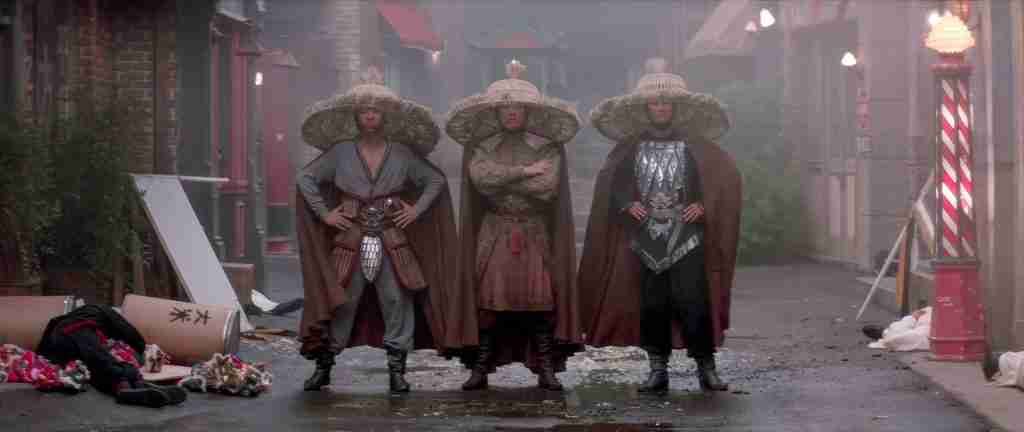
This Big Trouble in Little China analysis reveals themes that thrive on inversion: Jack’s buffoonery flips classic hero tropes, while ancient magic crashes into trucks and guns. Friendship and loyalty anchor the chaos, with “It’s all in the reflexes” blurring luck and skill.
Flipping Expectations: Hero Subversion and the Courageous Buffoon
Jack thinks he’s the lead—like a John Wayne archetype—but he’s a fool who often finishes battles accidentally, while Wang handles the real heroics. He knocks himself out in the finale around 81m, yet his reflexive kill proves courage trumps competence. This teaches writers to use false protagonists for humor and subversion, turning bravado into endearing idiocy.
Clashing Eras: Ancient Magic Meets Modern Mayhem
Tradition battles modernity as Lo Pan’s 2,000-year curse faces Jack’s truck at 22m and guns. Egg Shen’s “China is here” at 25m highlights hidden worlds, blending fate with Jack’s “reflexes” (or luck). The potion at 73m amplifies this, offering lessons on fusing cultural elements with ironic heroism.

Key Themes: Subversion of the Hero Archetype, Tradition vs. Modernity, and Hidden Worlds
This Big Trouble in Little China analysis reveals themes that thrive on inversion: Jack’s buffoonery flips classic hero tropes, while ancient magic crashes into trucks and guns. Friendship and loyalty anchor the chaos, with “It’s all in the reflexes” blurring luck and skill.
Flipping Expectations: Hero Subversion and the Courageous Buffoon
Jack thinks he’s the lead—like a John Wayne archetype—but he’s a fool who often finishes battles accidentally, while Wang handles the real heroics. He knocks himself out in the finale around 81m, yet his reflexive kill proves courage trumps competence. This teaches writers to use false protagonists for humor and subversion, turning bravado into endearing idiocy.
Clashing Eras: Ancient Magic Meets Modern Mayhem
Tradition battles modernity as Lo Pan’s 2,000-year curse faces Jack’s truck at 22m and guns. Egg Shen’s “China is here” at 25m highlights hidden worlds, blending fate with Jack’s “reflexes” (or luck). The potion at 73m amplifies this, offering lessons on fusing cultural elements with ironic heroism.
False Protagonist Decision Node: Engineering Jack Burton as the Ultimate Fail-Safe
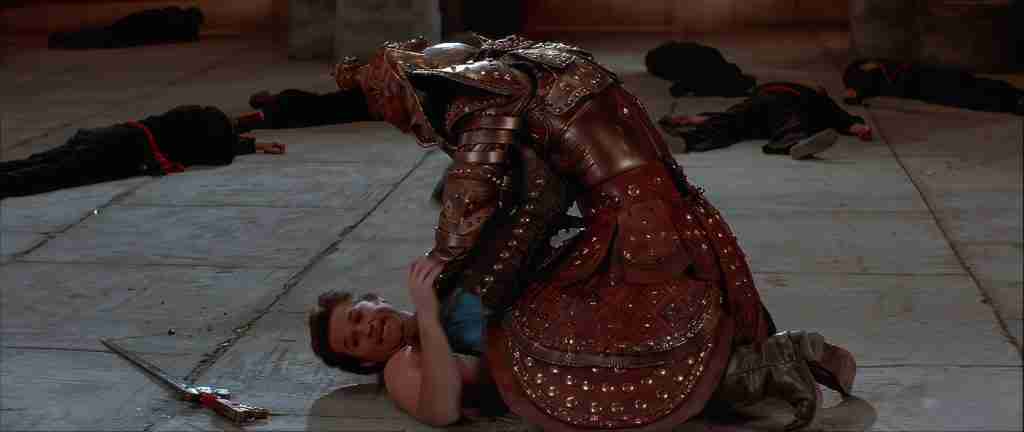
Jack Burton is deliberately engineered as a false protagonist—a POV character who believes he’s the lead hero but is structurally a supporting beam. This decision node allows Wang Chi to carry the high-stakes martial arts action while Jack provides comedy, relatability, and ironic commentary.
Takeaway for Writers Deploy a false protagonist when you want to protect high-stakes action with humor and relatability. Jack Burton is the blueprint: make your apparent hero a courageous idiot, and let the real hero shine in the shadows.
Structural Purpose The false protagonist acts as a load-bearing support: he anchors the audience’s emotional entry point without ever threatening the real stakes. Wang Chi is the true hero; Jack is the fail-safe that keeps the story accessible and funny.
Load-Bearing Benefits
- Preserves stakes: Viewers never doubt Wang will succeed.
- Maximizes humor: Jack’s incompetence and bravado become the comedy engine.
- Creates irony: The “hero” who thinks he’s saving the day is actually the comic relief.
Technical Execution
- Opening Image: Jack’s trucker bravado sets false expectations (Beat 3).
- Midpoint Shift: Gracie’s capture forces Jack to confront his limitations (Beat 9).
- Climax Payoff: Jack’s “reflexes” kill Lo Pan—but only after Wang clears the path (Beat 14).
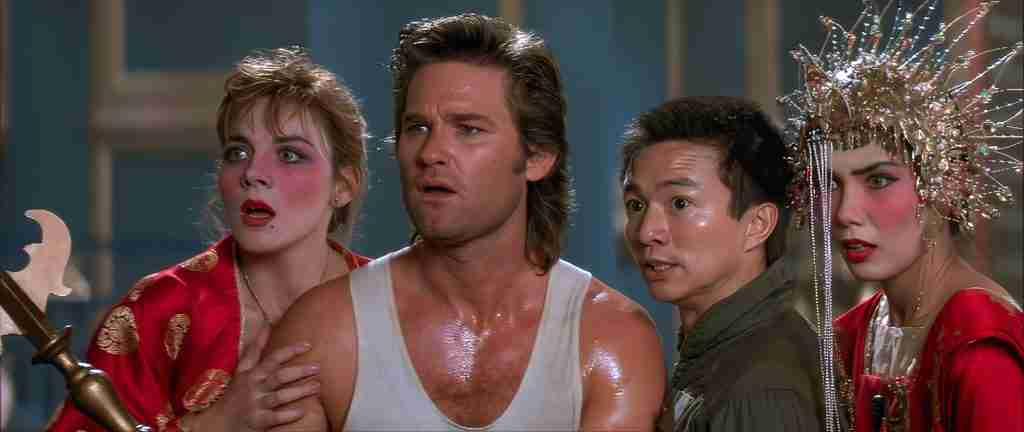
Meet the Cast: What Each Character Teaches Us About Screenwriting
| Character | Arc | Screenwriting Lesson |
|---|---|---|
| Jack Burton | A buffoon who thinks he’s the lead hero (John Wayne-style bravado turned idiot). Blunders through with blind luck, courage, and reflexes, accidentally saving the day. | Subvert expectations with a “false protagonist” who’s funny, tough, and lovable—his idiocy drives comedy while real heroism shines elsewhere. |
| Wang Chi | The true hero, shifting from restaurateur to warrior. Handles fights Jack starts. | Place competence in supporting roles for contrast and depth. |
| Lo Pan | Ancient sorcerer craving mortality. Undone by simple reflex despite godlike power. | Give villains relatable human desires to avoid caricature. |
| Egg Shen | Wise mentor with personal stakes. Defeats rival via magic and modern means. | Mentors need their own arcs and climactic involvement. |
| Gracie Law | Proactive lawyer turned myth participant. Brains to Jack’s bumbling brawn. | Empower female characters as strategic forces in action tales. |
| Miao Yin | Passive MacGuffin driving stakes. Represents the quest’s heart. | Limited-agency characters work if rescuers’ motivations are strong. |
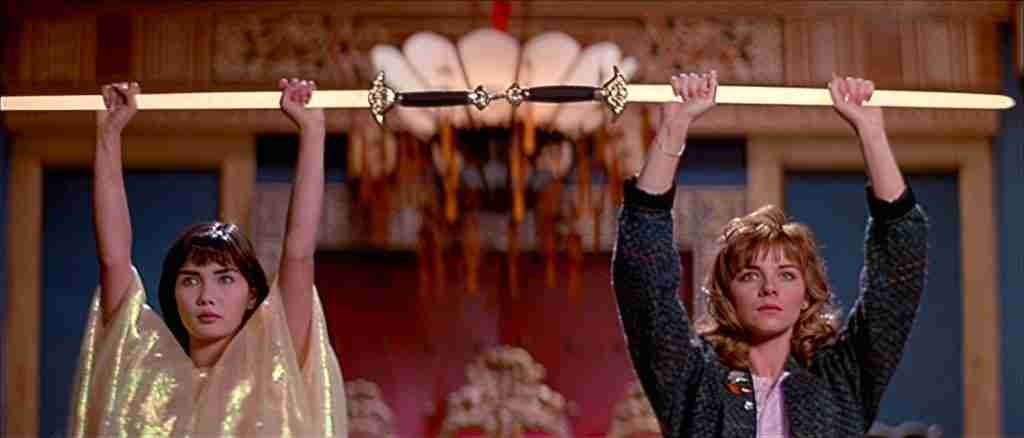
Plot Details and Interesting Facts in Big Trouble in Little China Analysis
This Big Trouble in Little China analysis covers the whirlwind narrative and script secrets that fueled its cult status.
Plot Summary: A Whirlwind of Action and Myth
Jack’s cocky monologue at 3m sets the tone before Miao Yin’s kidnapping at 11m launches the chaos. Gang wars at 20m and Lo Pan’s curse reveal at 42m deepen the stakes, with Gracie’s capture at 60m pushing the team into hells at 66m. Potion-fueled bravery at 73m leads to the wedding interruption at 81m and Jack’s lucky-reflex kill at 88m. He rides off alone at 95m, a monster stowing away—pure triumph laced with absurdity.
Behind-the-Scenes Insights: Script Evolution and Cult Legacy
Originally a Western, W.D. Richter modernized it for comedy, emphasizing Jack as a blowhard parody of John Wayne—Kurt Russell heightened the bravado for satire. Carpenter wanted a “slightly less competent Wayne” who blunders yet succeeds. Rushed production on $19–25M budget wrapped fast, with Russell improvising amid physical stunts. Initial flop ($11M box office) became cult gold via video, influencing films like Thor: Ragnarok—proving trope subversion and cultural mash-ups can create timeless appeal.
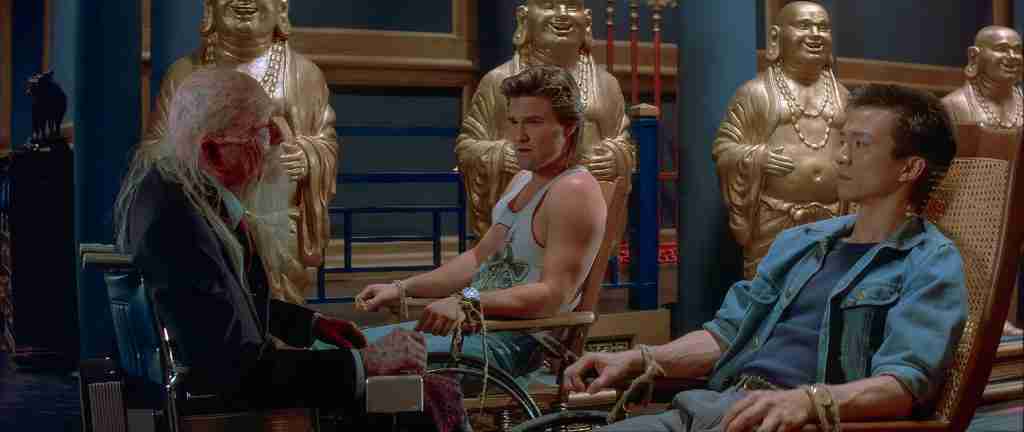
Save the Cat Beat Sheet: Big Trouble in Little China Structure
This Big Trouble in Little China analysis highlights the beat sheet’s chaotic pacing, subverting hero norms with Jack’s accidental wins. The structure delivers relentless fun through quick setups and escalating absurdity. Following Blake Snyder’s approach, Act II splits at the Midpoint into Act II-A (exploration of the new world, promise of the premise) and Act II-B (consequences mounting, bad guys closing in).
ACT I
The opening establishes Jack’s blowhard world before thrusting him into supernatural stakes. It hooks with humor, building to full commitment amid blunders.
| Beat # | Beat (Save the Cat!) | Key Event / Description |
|---|---|---|
| 1 | Opening Image | Egg Shen tells a lawyer that magic is real and Jack Burton is a hero [2m]. |
| 2 | Theme Stated | “It’s all in the reflexes”—the idea that instinct beats planning [8m]. |
| 3 | Set-up | Jack Burton is introduced as a cocky, blowhard trucker in his natural habitat [3m]. |
| 4 | Catalyst | Miao Yin is kidnapped by the Lords of Death at the airport [12m]. |
| 5 | Debate | Jack tries to get his truck back while Wang tries to save his fiancée [14m]. |
| 6 | Break into Two | Jack drives into the supernatural alley fight and loses his truck [23m]. |
ACT II-A
Jack wanders into the new supernatural world beneath Chinatown, delivering the “promise of the premise” through fun, chaotic set pieces and escalating discoveries. This section builds excitement with infiltrations and failed attempts, culminating in the stakes-raising Midpoint.
| Beat # | Beat (Save the Cat!) | Key Event / Description |
|---|---|---|
| 7 | B-Story | Jack’s relationship with Gracie Law begins to develop [27m]. |
| 8 | Fun & Games | The “Henry Swanson” infiltration and the first failed rescue attempt [30m]. |
| 9 | Midpoint | Lo Pan captures Gracie; stakes double as he now has two brides [60m]. |
ACT II-B
After the Midpoint shift, consequences catch up as bad guys close in. Jack’s flawed bravado leads to mounting failures, a dark low point, and renewed determination fueled by the potion—pushing toward the final confrontation.
| Beat # | Beat (Save the Cat!) | Key Event / Description |
|---|---|---|
| 10 | Bad Guys Close In | The group must navigate the supernatural “Hells” beneath Chinatown [66m]. |
| 11 | All Is Lost | Lo Pan begins the wedding ritual; the group is trapped and outnumbered [78m]. |
| 12 | Dark Night of Soul | The team drinks Egg’s potion, realizing they are at the point of no return [73m]. |
| 13 | Break into Three | The group interrupts the wedding to start the final battle [81m]. |
ACT III
Explosive resolutions blend magic, luck, and brawn for ironic triumph, wrapping arcs with a teaser.
| Beat # | Beat (Save the Cat!) | Key Event / Description |
|---|---|---|
| 14 | Finale | Jack kills Lo Pan and the team defeats the Three Storms [88m]. |
| 15 | Final Image | Jack drives off alone, unaware a monster has stowed away on his truck [96m]. |

Conclusion: Why Big Trouble in Little China Still Teaches Screenwriters
This Big Trouble in Little China analysis shows why the screenplay endures: its supernatural martial arts action thrives on humor, with Jack’s buffoon courage proving that idiocy plus heart can make unforgettable heroes. It inspires bold genre blends.
Key Strengths and Lasting Lessons
Jack’s “I’m a reasonable guy. But I’ve just experienced some very unreasonable things” at 34m captures his adaptability amid chaos. “It’s all in the reflexes” (or luck) blurs skill and fortune, while his John Wayne parody—tough, ignorant, and accidentally heroic—teaches subverting archetypes for fresh dynamics.
Practical Applications for Today’s Writers
Invert heroes like Jack: let bravado mask incompetence, with supporting characters shining. Use “reflexes” for ironic payoffs, or blend hidden worlds with modern absurdity. Ground bizarre elements in loyalty, ensuring even buffoons feel courageous—elevating any hybrid script.