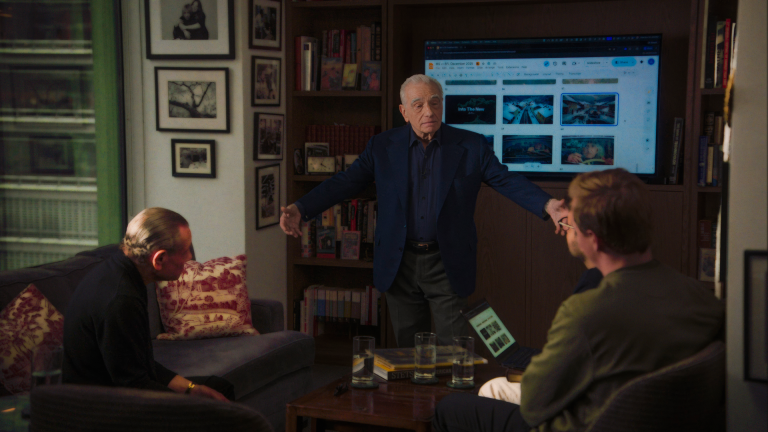
Roger Avary AI news is making waves in Hollywood. The Oscar-winning co-writer of Pulp Fiction just revealed he launched an AI production company after struggling to get traditional projects financed. This is one of the clearest early signals of how ai filmmaking 2026 is rapidly changing the industry.
In a recent interview with Joe Rogan, Avary explained he was having almost no success pitching traditional projects — until he started an AI production company called General Cinema Dynamics.
His blunt takeaway:
“I go out there and try to get stuff made, and it’s almost impossible. And then I built a technology company over the last year, basically making AI movies, and all of a sudden, boom… money gets thrown at it. Just put AI in front of it and all of a sudden you’re in production on three features.”
He now has three AI-generated films in active development: a family Christmas movie, a faith-based film, and a big romantic war epic.
What This Roger Avary AI Move Really Means
When a writer of Avary’s caliber says simply adding “AI” to a project suddenly unlocks funding, it’s a major signal.
The old path — years of pitching, chasing producers, and waiting for green lights — is becoming much harder. Meanwhile, a faster, more accessible path is opening for ai filmmaking 2026.
Practical Ways Writers Can Start Using AI Right Now
You don’t need to launch a production company tomorrow. Here are concrete steps you can try this week:
- Visual Prototyping Take a key scene from your script and paste it into Kling AI or Runway Gen-3. Generate a short clip to test if the tone and visuals match what you envisioned.
- Beat Sheet Testing Feed your current beat sheet into ChatGPT or Claude and ask: “Here is my 15-beat structure. Act II feels slow. Suggest 3 ways to increase tension while staying true to the theme.” Then generate quick visual tests of the revised beats.
- Character & Chemistry Checks Use an AI video tool to create short clips of two characters interacting. Test different emotional tones to see what feels most natural.
- Proof-of-Concept Reels Compile 60–90 seconds of AI-generated clips from your script. This “vibe reel” is incredibly useful when pitching to producers or applying to labs.
The Bottom Line
Roger Avary didn’t wait for the industry to change. He built his own path using AI.
The barrier to production is dropping dramatically. The writers who learn to combine strong storytelling with these new AI tools will have a significant advantage going forward in ai filmmaking 2026.
The future belongs to the writers who evolve.