
This Tender Mercies analysis explores a masterclass in quiet redemption, where Horton Foote’s Oscar-winning screenplay turns the raw ache of loss into a profound study of grace. As we mourn the passing of Robert Duvall—announced today, February 16, 2026—this 1983 gem stands as the definitive testament to his illustrious career. His role as Mac Sledge (which also won him an Oscar for Best Actor) anchors the film in a way few actors could achieve, providing a permanent textbook for how to weaponize silence and the subtext on the page.
For screenwriters, the real hook is Foote’s narrative economy. Inspired by a washed-up musician he overheard in a bar, Foote didn’t chase a “comeback” story. Instead, he crafted a blueprint for weaving personal demons into everyday rhythms. Notice how in the wake of Duvall’s death, the film feels even more vital—a reminder of how a bone-deep commitment to character can elevate a minimalist script into timeless art.
Tension & Conflict Mechanics
Internal Demons vs. Quiet Grace
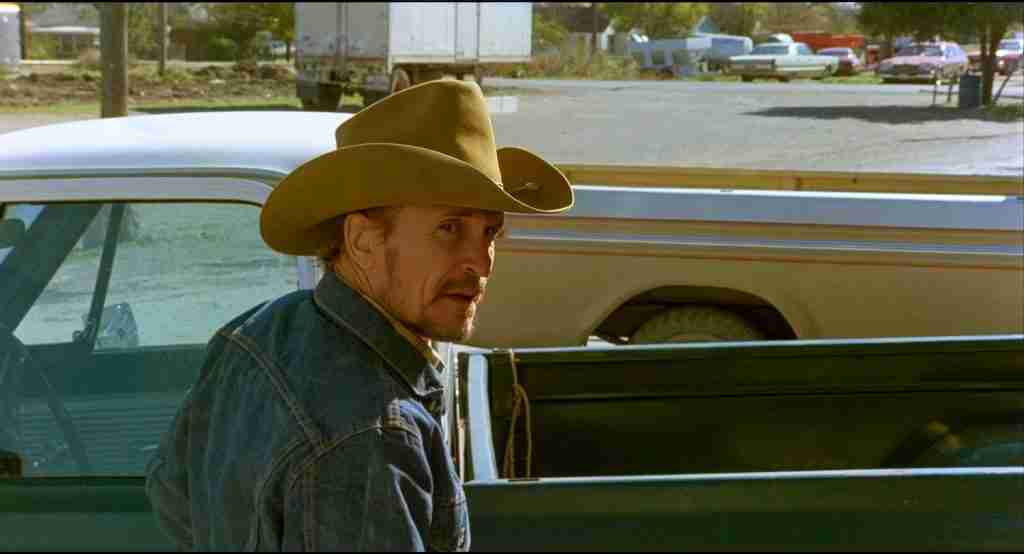
Mac’s battle isn’t an evil music manager, an ex-wife, his long lost daughter, or even a barroom brawl; it’s the bottle he buys at 37m but pours out on a lonely dirt road. Foote builds tension through restraint: no swelling score, just the hum of a truck engine and Duvall’s weary eyes. This solves the “how do you dramatize recovery?” puzzle by making relapse a near-miss rather than a spectacle. Stakes rise in the mundane, turning a simple drive into a life-or-death pivot.
The Weight of the Past Crashing In
At 28m, Dixie’s backstage fury—”Stay away from her”—rips open Mac’s buried life. Conflict simmers via offscreen history: the daughter he hasn’t seen since infancy and the songs he can’t escape. Foote layers this with the reporter’s intrusion at 16m, forcing Mac to confront his “old self” without a single punch thrown.
- Lesson: Use “messenger” characters like Harry (Wilford Brimley) to externalize internal rot, keeping your hero reactive and grounded.
Stakes in the Unspoken Gaps
The film’s genius lies in what doesn’t happen. Sue Anne’s visit at 53m ends with Mac singing “On the Wings of a Dove” alone at 58m—no tearful reunion, just a door closing. Tension peaks in the absences: the elopement mirroring Mac’s mistakes and the car crash that shatters the world without onscreen gore. This mechanic teaches us to let subtext do the heavy lifting; when the viewer fills the void, the pain becomes personal.

Core Themes & Thematic Anchors
Redemption Through the Everyday
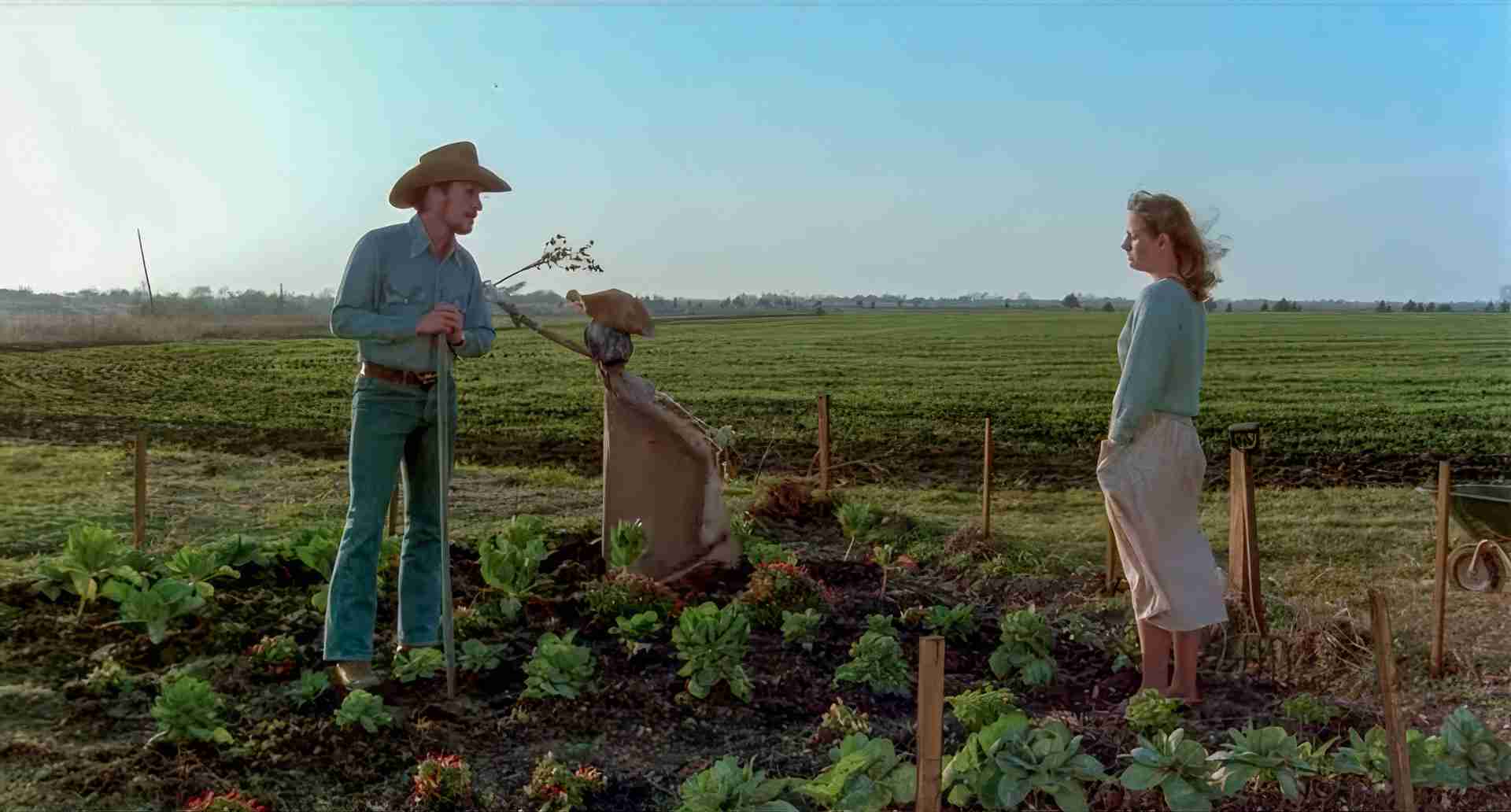
This Tender Mercies analysis flips Hollywood redemption tropes. Foote grounds Mac’s arc in chores and church pews, from weeding the garden at 12m to baptism at 64m. It’s not divine lightning; it’s Rosa Lee’s steady hand and the routine of a gas station. Grace arrives in the grind, proving that small, consistent acts compound into true transformation.
Fatherhood’s Second Chance
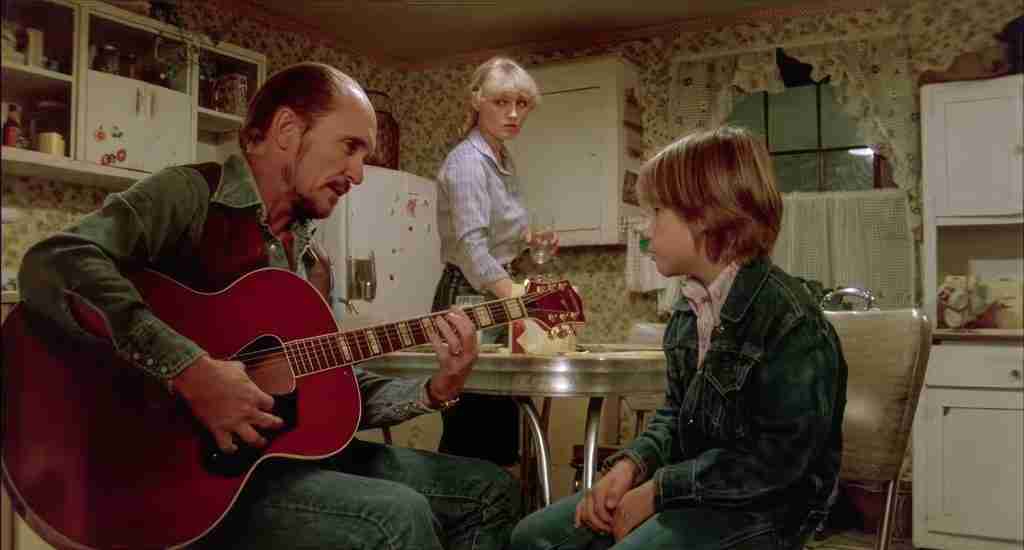
Sonny’s guitar lesson at 19m (“D as in dawg”) plants the seeds of belonging, culminating in the final game of catch at 91m. Foote mirrors this with Mac’s lost relationship with Sue Anne, turning surrogate bonds into the film’s emotional core. It’s a lesson in using children to humanize hard-bitten heroes: innocence exposes the gaps we all carry.
Faith in the Unseen Mercies
Rosa Lee’s prayer at 33m—”Sonny and you are at the head of the list”—gives the film its quiet theology. Mac’s monologue at 83m questions it all (“Why has God done this to me?”), yet he continues to walk the path. Foote balances doubt with devotion, anchoring themes in Baptist hymns and Texas dirt. This reveals how faith thrives in ambiguity, not certainty.
Character Breakdown: Lessons for Screenwriters
| Character | Arc Summary | Screenwriting Lesson |
|---|---|---|
| Mac Sledge | Washed-up drunk to humble patriarch; rebuilding through silence and small steps. | Duvall’s Legacy: Show history in the eyes; his gaze carried decades of regret without a word. |
| Rosa Lee | Lonely widow becomes the steadfast “mercy” for a broken man. | Quiet Agency: Her watchful gaze is the film’s heartbeat; support roles need their own internal strength. |
| Sonny | Fatherless boy finds a mentor, evolving from questions to quiet play. | Mirroring: Use subplots to reflect the hero’s quest; his football gift echoes Mac’s “second chance.” |
| Dixie Scott | Glamorous ex-wife trapped in bitterness; a foil to Mac’s growth. | Static Antagonists: Success highlights the hero’s deeper win when the antagonist refuses to change. |
| Sue Anne | Brief seeker of roots; her death forces Mac’s final reckoning. | Tragedy as Catalyst: Use it to shatter a character’s illusions, not just for shock value. |
| Harry Silver | The bridge between Mac’s two worlds, delivering truths that sting. | Plot Propulsion: One brief scene with a “messenger” character can create a massive ripple effect. |
The Tender Mercies Beat Sheet (Save the Cat! Framework)
Foote’s rhythm is pure poetry—90 minutes of deliberate pacing that feels like a slow burn across the plains. He strips away the fat, letting the character’s internal clock drive every beat.
Act I – The Drifter’s Awakening
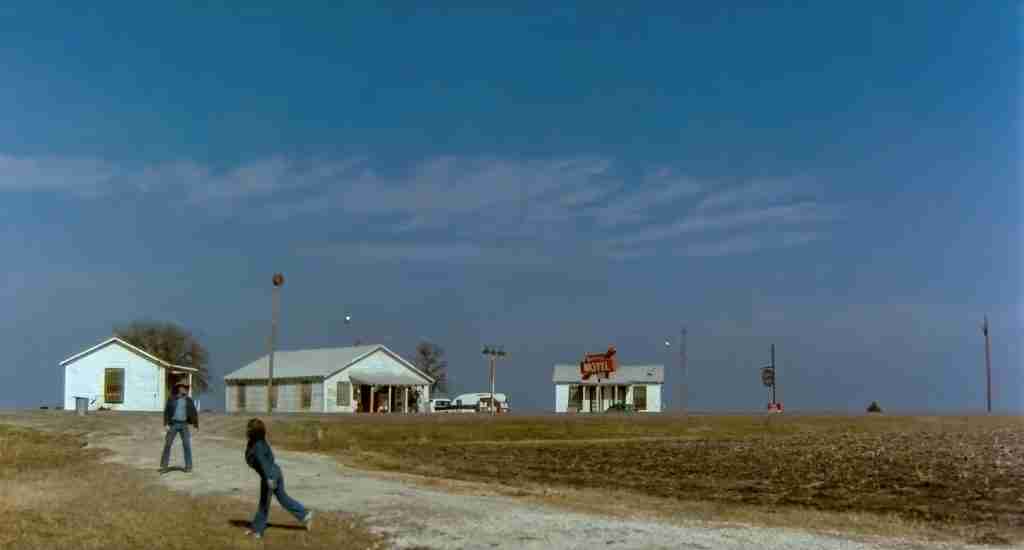
Mac crashes into Rosa Lee’s world, a hungover wreck at the motel (1m). Foote sets the desolate tone fast, using the landscape as a mirror to his soul. Stakes emerge in the no-drinking deal (5m)—sobriety or the road.
| Beat # | Beat Name | Minute (m.) | Synopsis |
|---|---|---|---|
| 1 | Opening Image | 1m | Mac wakes in a drunken stupor, beaten, broke, and alone. |
| 2 | Theme Stated | 5m | Rosa Lee mentions she has a “million things to do,” offering Mac the gift of routine and “tender mercy”. |
| 3 | Inciting Incident (Catalyst) | 1m | Waking up in the motel without a dime. He has hit rock bottom; the drift is over. |
| 4 | Set-Up | 6m | Mac works off his debt. While it would have been easy to run, he decides to do honest work instead of drinking himself to death. |
| 5 | Debate | 17m | A reporter arrives to interview “Mac Sledge.” Mac must decide if he can truly stay anonymous and buried. |
| 6 | Break into Two | 12m | Mac proposes to Rosa Lee, committing fully to this new life and the “status quo” of his sobriety. |
Act II-A – Echoes of the Old Life
The past invades like a slow leak. Band visits at 22m spark respect, but Dixie’s concert at 25m forces confrontation. Fun and games mix music and memory.
| Beat # | Beat Name | Minute (m.) | Synopsis |
|---|---|---|---|
| 7 | B-Story | 19m | Mac teaches Sonny guitar chords, building a surrogate father-son bond that replaces the fame he lost. |
| 8 | Fun & Games | 25m | Local band pays homage; Mac sneaks to Dixie’s show to see his daughter, confronting his ghosts. |
| 9 | Midpoint | 28m | Backstage clash with Dixie; she warns him he is “dead” to his daughter. The past is officially “poison”. |
Act II-B – The Breaking Point
Pride crumbles as Harry dismisses the song (33m), pushing Mac toward relapse. Baptism at 64m offers hope, but Sue Anne’s visit (53m) and death (72m) shatter it.
| Beat # | Beat Name | Minute (m.) | Synopsis |
|---|---|---|---|
| 10 | Bad Guys Close In | 33m | Harry dismisses Mac’s new song as “no good.” Mac buys whiskey but pours it out in a moment of resolve. |
| 11 | All Is Lost | 53m | Sue Anne visits then elopes with a musician, mirroring Mac’s own cycle of failure and bad choices. |
| 12 | Dark Night | 72m | News of Sue Anne’s fatal crash; Mac questions the cruel, inexplicable math of survival. |
Act III – The Mercies Received
Funeral catharsis at 80m leads to the raw monologue (83m). Mac chooses presence over escape, gifting Sonny the football (87m). The final image at 91m affirms: healing isn’t tidy, but it’s real.
| Beat # | Beat Name | Minute (m.) | Synopsis |
|---|---|---|---|
| 13 | Break into Three | 80m | Mac attends the funeral in Nashville, comforting a broken Dixie and finally facing his history. |
| 14 | Finale | 83m | The “I don’t trust happiness” monologue; Mac finds peace in “what is” rather than asking “why”. |
| 15 | Final Image | 91m | A game of catch in the field—Mac, Sonny, and Rosa Lee’s watchful, validating gaze. |
Tender Mercies Ending Explained: Meaning in “What Is”
Tender Mercies ending explained through the lens of Robert Duvall’s performance reveals a fragile truce with existence. After the death of his estranged daughter, Mac doesn’t achieve a grand “Hollywood” victory; instead, he settles into a quiet, sober, and stable reality.
Acceptance and “Uneasy Contentment”
Mac finds a state of “uneasy contentment.” He has moved beyond the self-destructive chaos of his former life, but he remains a man who has learned to live with permanent damage. This is a shift from asking “Why did this happen?” to a perspective of Meaning in What Is—accepting the present reality over a search for cosmic justice.
The Final Scene: Cementing the Bond
The game of catch at 91m is the script’s true redemption. By bringing Sonny the football, Mac cements his role as a father figure. This small, mundane act is the “tender mercy” that replaces his lost relationship with Sue Anne. Mac chooses to stay sober and love the family he has left, rejecting the former, chaotic existence that defined his fame.
A Spiritual Victory
According to Ebert, this ending is a realistic, spiritual victory. Redemption is not found in a massive recording comeback, but through the “tender” mercies of love and stability.
Why Tender Mercies Still Matters for Screenwriters
The Big Idea / Core Strength
This film is a rebellion against bombast. Foote’s script proves that personal stories don’t need pyrotechnics to be cinematic. The “I don’t trust happiness” line at 83m captures the film’s DNA: doubt as the soil for growth.
Practical Applications for Today’s Writers
- Embrace the Unsaid. Rosa Lee’s walk-away at 83m is profound mercy.
- Lesson: In your next dialogue scene, cut the last line. Let the characters breathe in the silence.
- Mine the Landscape. The barren Texas fields echo Mac’s isolation.
- Lesson: Treat your setting as a co-writer; use it to externalize inner states without voiceover.
- Build Arcs in Layers. Mac’s baptism at 64m works because of the 37m relapse scare.
- Lesson: Track small, difficult choices across acts; they compound into a believable transformation.
- Integrate Music as Shorthand. Hymns like “On the Wings of a Dove” at 58m bridge the gap between loss and legacy.
- Lesson: Use music to tell the story when the character cannot find the words.
- Scale Your Victory. Mac doesn’t become a superstar again; he becomes a man who can play catch.
- Lesson: The most satisfying ending is the one that aligns with the protagonist’s internal need, not their external want.
Robert Duvall and Horton Foote may both be gone, but their work in Tender Mercies remains a permanent masterclass. A timeless reminder that the best screenplays capture the quiet truths of life, leaving us with mercies that endure.