

Gladiator (2000) – Save the Cat! Beat Sheet
Ridley Scott’s Gladiator is a masterclass in the Save the Cat! structure, following a classic descent-ascent arc: a victorious Roman general is betrayed, enslaved, and reborn in the arena, ultimately sacrificing himself to restore the Roman Republic. This Gladiator Save the Cat beat sheet maps every major turning point with approximate minute markers from the 149-minute runtime.
Note: Beats are listed in Save the Cat! order. Minute markers (m.) reflect approximate scene placement and may shift slightly due to the film’s emotional pacing and thematic layering.
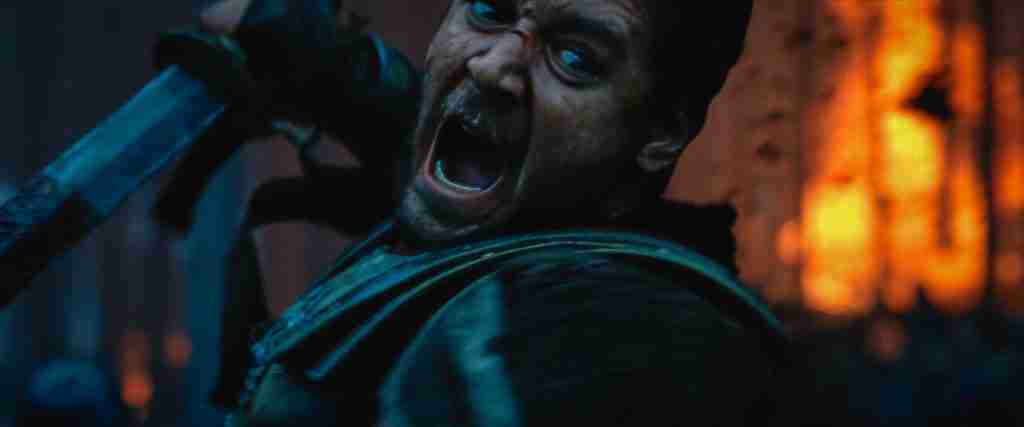
Act One: The Fall – Triumph to Betrayal (Beats 1–5)
The opening act establishes Maximus as Rome’s greatest general and plants the central theme: actions that echo in eternity and the dream of a restored Republic.
| Beat # | STC! Beat | Minute Marker | Description |
|---|---|---|---|
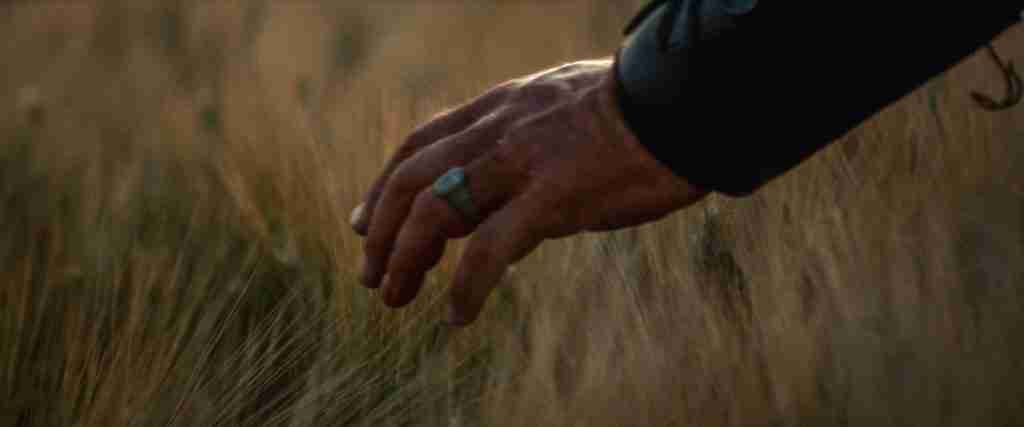
| 1 | Opening Image | m. 2 | Hand glides through sun-drenched wheat field – the recurring visual motif that represents Elysium, afterlife reunion, and ultimate peace. |
| 2 | Theme Stated | m. 7 | Maximus rallies his troops: “What we do in life echoes in eternity” – the core theme of legacy, honor, and actions that outlive death. |
| 3 | Set-Up | m. 4–13 | Maximus leads the final victory over the Germanic groups; his longing for family contrasts with the political corruption surrounding Marcus Aurelius. |
| 4 | Catalyst | m. 16–27 | Marcus Aurelius asks Maximus to restore the Republic after his death, shattering Maximus’ dream of a quiet return home and igniting Commodus’ jealousy. |
| 5 | Debate | m. 27–34 | Maximus resists the burden of power; Commodus spirals into rage; the scene tests Maximus’ distrust of politics before betrayal forces his hand. |
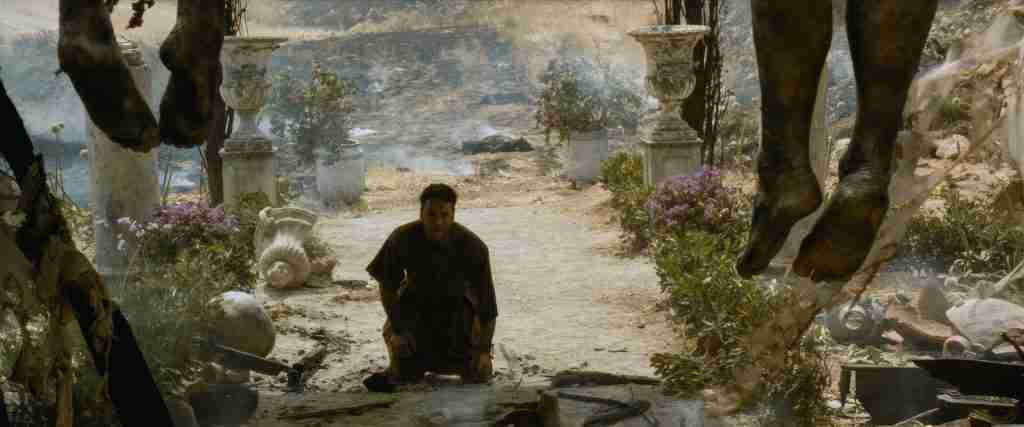
Act Two, Part A: Enslavement & Rebirth – The Provinces Arena (Beats 6–9)
Maximus is stripped of everything and enters the gladiatorial world. The Fun and Games deliver the visceral promise of arena combat, while the Midpoint shifts his goal from survival to vengeance.
| Beat # | STC! Beat | Minute Marker | Description |
|---|---|---|---|
| 6 | Break into Two | m. 38–41 | Maximus refuses Commodus’ loyalty, escapes execution, finds his family crucified – enters the world of slavery and survival as a gladiator. |
| 7 | B Story | m. 47–48 | Juba tends Maximus’ wounds in the slave transport; their friendship provides emotional support and reinforces faith in reunion after death. |
| 8 | Fun and Games | m. 56–59 | Maximus’ first gladiatorial fight in Zucchabar; he adapts military tactics to arena chaos and earns the name “Spaniard.” |
| 9 | Midpoint | m. 70 | Proximo announces the journey to Rome’s Colosseum; Maximus vows to confront the emperor – the goal shifts from survival to deliberate vengeance. |
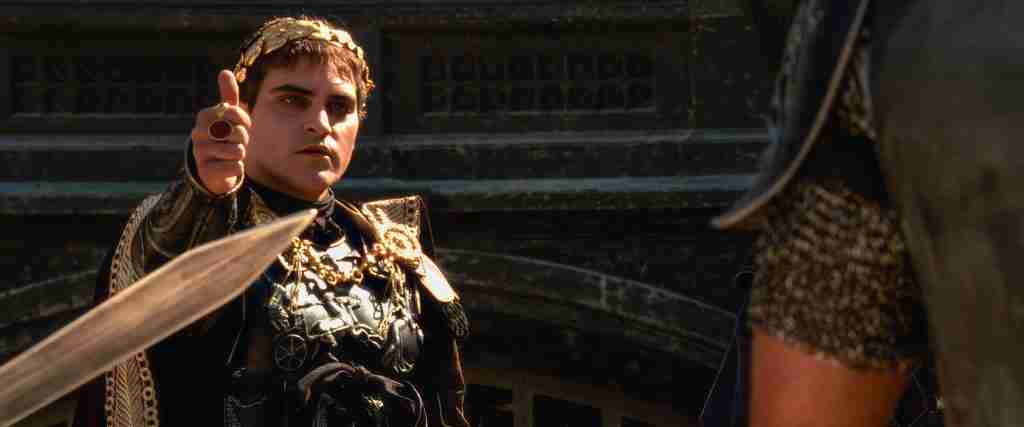
Act Two, Part B: The Colosseum – Rising Popularity & Collapse (Beats 10–12)
Maximus wins the Roman crowd, turning public adoration into protection against Commodus. The emperor escalates until the rebellion fails, leaving Maximus at his lowest point.
| Beat # | STC! Beat | Minute Marker | Description |
|---|---|---|---|
| 10 | Bad Guys Close In | m. 92–110 | Maximus reveals his identity after the Carthage victory; the crowd spares his life; Commodus escalates by pitting him against Tigris of Gaul and tigers. |
| 11 | All Is Lost | m. 134 | The coup collapses: Cicero is executed, Gracchus arrested – Maximus is completely isolated with no allies or resources left. |
| 12 | Dark Night of the Soul | m. 136–139 | Chained beneath the Colosseum, Maximus faces Commodus’ taunts and is secretly stabbed; final reckoning with grief and impending death. |
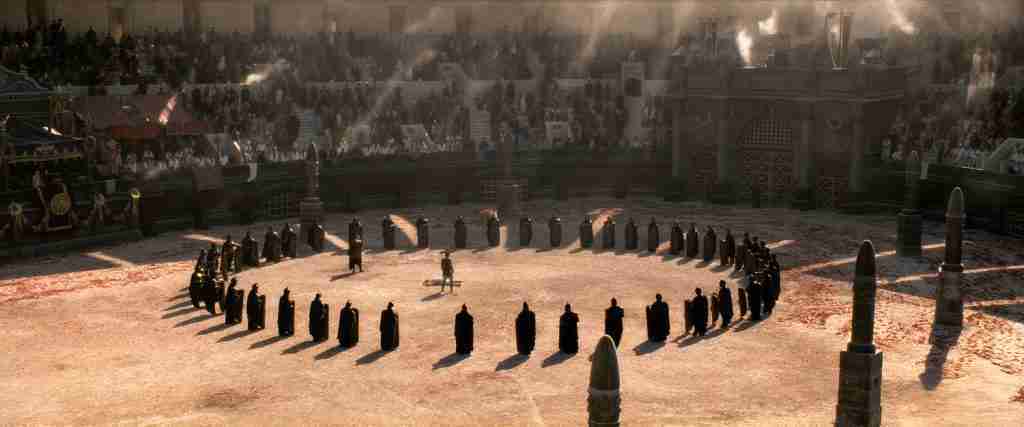
Act Three: The Final Battle & Sacrifice (Beats 13–15)
The mortally wounded Maximus confronts Commodus in the arena. The Finale resolves the external conflict while fulfilling the internal theme: his death restores Rome.
| Beat # | STC! Beat | Minute Marker | Description |
|---|---|---|---|
| 13 | Break into Three | m. 132 | Maximus attempts escape during the gladiator revolt; fully commits to fulfilling Marcus Aurelius’ wish for a restored Republic. |
| 14 | Finale | m. 140–145 | Dying Maximus battles Commodus, disarms him, and kills him with his own dagger; frees his men and restores the Republic before collapsing. |
| 15 | Final Image | m. 146–149 | Maximus reunites with his family in the wheat field of Elysium; Juba buries the figurines in the Colosseum sand, saying “Now we are free.” |
Gladiator Ending Explained
Maximus defeats Commodus (m. 140–145) but dies from his wounds. Gracchus restores the Republic as Juba buries the figurines of Maximus’ wife and son in the arena sand, whispering “Now we are free… I will see you again. But not yet… not yet…”
Structural Symmetry: The Final Image mirrors the Opening Image (wheat field at m. 2), completing a perfect full-circle arc. The story moves from Empty (loss of family, power, freedom) to Full (eternal reunion and Rome’s restoration).
Why Maximus Had to Die: Early drafts allowed Maximus to survive. Ridley Scott and the writers chose death instead: survival would have made it a standard revenge story; death elevates it to a tale of stoic sacrifice. His actions truly “echo in eternity” by restoring the Republic through his ultimate sacrifice.
Key Lessons from the Gladiator Save the Cat Beat Sheet
- Descent to Ascent Arc: Shows how to take a high-status hero to rock bottom and back up through earned skill and sacrifice.
- Crowd as Power Broker: The Roman mob becomes a literal shield during Bad Guys Close In, balancing the power dynamic between slave and emperor.
- Vengeance Aligned with Virtue: The external goal (kill Commodus) serves the internal theme (restore Rome). The Midpoint flips survival into purposeful action, pacing grief and betrayal to maximize cathartic payoff.
This Gladiator Save the Cat beat sheet remains one of the clearest examples of how to build a hero whose personal sacrifice serves a greater ideal.




While you do a really good job at everything else in your analysis, I think you really need to get a better handle on what an inciting incident is. What is it about…
“After the battle has ended, Marcus Aurelius approaches Maximus, proud of his victory. He asks Maximus what reward he wishes to have and Maximus relies, “to go home.”
… that incites Maximus to do anything? It doesn’t.
Inciting Incident is when Maximus learns that Commodus has become Emperor.
Act 2 starts when Maximus is being carried away by the slave caravan.
Analysis in screenwriting is subjective. What is more important (you’ll find these in my latest beat sheets) are the sequences. Beats are just another way of saying “these types of scenes happen here.” This is very helpful for folks trying to learn the craft — I know it sure was for me. Notice the intervals are almost always the same. Back to the Future is a great example. It’s not a coincidence that failing the band audition happens right around minute 10, but I wouldn’t label it an inciting incident. The point is, if you were watching it for the first time, it would sure feel like it.
Now, with Gladiator, the disruption to his ordinary world is what he believes was his final victory. Really, it’s all lumped together. I like citing the scene with Marcus Aurelius because it’s like a climax of the battle sequence, anchored to all the major beats that follow and the climax (giving back Rome to the people by killing Commodus, as MA wished).
Hi William, are you going all “Save the Cat” on us? :) I find STC a very valuable tool, but it isn’t the bible. As well, a plot point doesn’t happen because of page count or how many minutes into a movie you are… it’s a specific point in a movie that accomplishes a specific purpose.
For instance, where you say the inciting incident at Gladiator occurs… if Commodus hadn’t slain his father, there is no movie. End of story. Maybe the emperor would let Maximus return home, maybe not… we don’t know. We will never know because Commodus killed his father, thus inciting the entire premise of the story.
Personally, I would push folks in the direction of Story Maps over STC any day of the week. And I firmly believe in form over formula; any of their rules are meant to be broken. You can find examples of this in a good amount of my analysis. If you feel that the Inciting Incident of Gladiator happens nearly 40 minutes into the film, once again, you’re confusing the II w/ a plot point (the real 1st plot point is when Maximus discovers MA is dead).
Ok. You know what… you’re right. Gladiator isn’t about Maximus wanting to kill Commodus; it’s about him wanting to go home. Although it is very much the action that dominates the movie, it’s the internal goal that is at the heart of this one.
My VERY BAD and I apologize; however, this is not the case on the Die Hard analysis.
No need to apologize — everyone sees things different. This is a great movie; makes me want to tackle it for an upcoming podcast.