William Robert Rich

William Robert Rich

William Robert Rich is the editor of ScreenplayHowTo.com (SHT) and co-author of Story Maps: The Films of Christopher Nolan. Based in Brooklyn, New York, William's unique approach to narrative analysis fuses his background as a former teacher and a software engineer. He realized that the efficient logic of code and the clear pedagogy of the classroom could be applied directly to screenwriting. This data-driven approach allows him to rigorously analyze a screenplay's logic and identify structural inconsistencies, forming the foundation of all the high-authority beat sheets and structural insights featured on SHT. He makes the engineering of a great story easy to learn.

Chinatown Noir: The Film That Split the Genre in Two
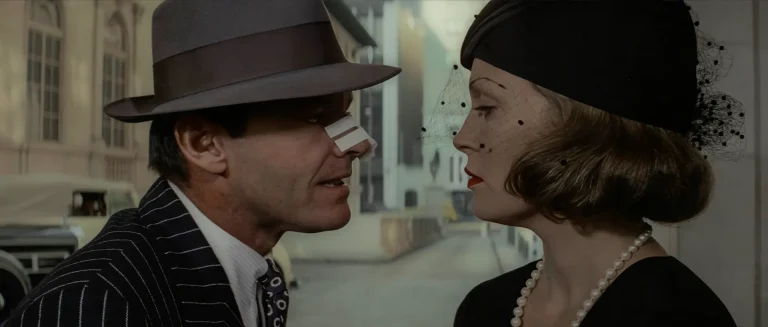
Chinatown neo-noir: Jake Gittes, nose bandaged, faces Evelyn Mulwray in a veiled black hat, 1974.

Chinatown gets called neo-noir by every critic who writes about it, and the label is accurate. It's also incomplete. Saying Chinatown belongs to neo-noir tells you what shelf the film sits on. It doesn't tell you what the film did to that shelf when it landed there in 1974 — how it took the femme fatale convention that had defined noir for thirty years and turned it inside out, making the suspected woman the actual victim and the charming patriarch the actual monster. That inversion permanently split the genre. Every noir made since has had to choose a side.

Robert Towne’s Chinatown Screenplay: How the Greatest Spec Script Got Made

Jake Gittes in tan suit and bandaged nose arriving at the Albacore Club on Catalina Island, a scene from the film adapted from the Robert Towne Chinatown screenplay

It's one of the most-praised scripts in American film. Top three on the WGA list. Required reading in every screenwriting program in the country. And the writer himself thought the first draft was a mess. The story of how the Robert Towne Chinatown screenplay actually got built — from four unrelated ideas, through nine months of struggle, into a six-week fight with Polanski over a California heat wave — is nothing like the myth of the perfectly plotted masterpiece. The perfection is real. So is the chaos behind it.

Gwen Stacy Death Analysis: How Amazing Spider-Man #121 Killed the Silver Age

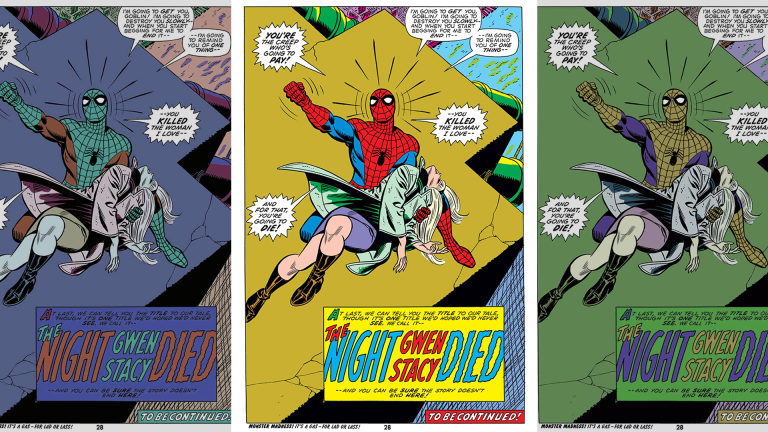
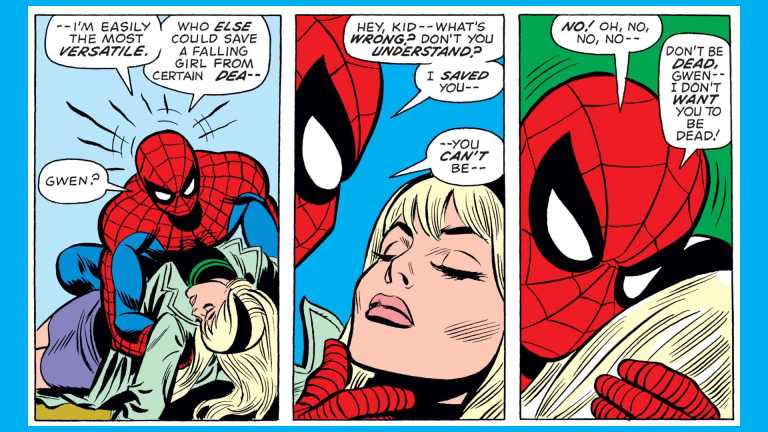
Final page of Amazing Spider-Man #121 The Night Gwen Stacy Died, with Spider-Man holding Gwen Stacy's body and swearing revenge on the Green Goblin: You killed the woman I love and for that you're going to die.

The Gwen Stacy death in The Amazing Spider-Man #121 is the comic that ended the Silver Age, but most analyses miss what's actually on the page. Gwen falls. Spider-Man fires a webline. It catches her leg. There is a SNAP beside her head. The Goblin says she was already dead. Marvel editorial would later say the rescue killed her. The comic itself never tells you. Neither does Spider-Man. This piece walks the issue movement by movement, with a page-by-page beat sheet, the converging character threads, and an honest look at what Conway, Kane, and Romita did in 20 pages of story.

Three Billboards Outside Ebbing, Missouri Ending Explained

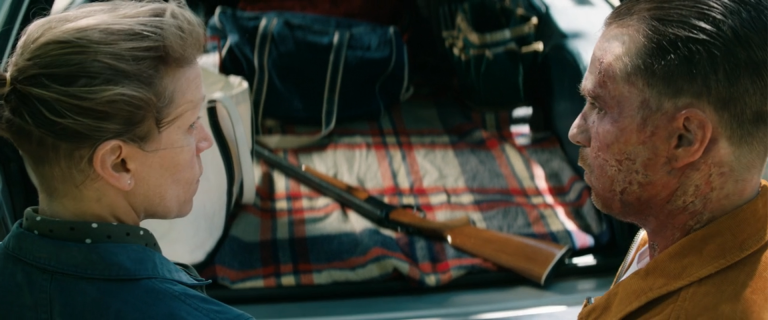
Three Billboards Outside Ebbing, Missouri meaning — Mildred and Dixon with the shotgun between them in the trunk before the Idaho road trip

Three Billboards Outside Ebbing, Missouri ends with a shotgun wrapped in a blanket and two people who don't know what they'll do when they reach Idaho. Mildred Hayes and Jason Dixon — a grieving mother and the fired cop she went to war with — drive toward a man who is guilty of something, but not the thing they need him guilty of. The film ends before they decide. Most readings call the ending ambiguous. The screenplay is more precise about what's ambiguous. What the road trip answers, and what it leaves open, is a question about hope and vigilantism that refuses to separate the two.

Angel Heart Ending Explained: How Alan Parker Built Cinema’s Most Inevitable Surprise

Robert De Niro as Louis Cyphre with glowing yellow eyes pointing at Harry Angel during the Devil reveal in Angel Heart 1987.

The Angel Heart twist gets dismissed as obvious — Louis Cyphre is transparently Lucifer, after all. But that detection is the trap. Alan Parker sacrificed one secret to protect a deeper one: the detective and the criminal are the same man. Harry Angel is Johnny Favorite, and every interview ends in a murder Harry doesn't remember committing. Underneath the surface mystery runs a six-system foreshadowing architecture — fans, mirrors, an elevator, blackout structure, the chicken-egg-heart chain, and a cloaked figure who is the Devil in disguise — none of which exist in the source novel. Here's how Parker engineered an ending that feels shocking and inevitable at once.

Jake Gittes Character Analysis: The Detective Who Was Set Up to Fail

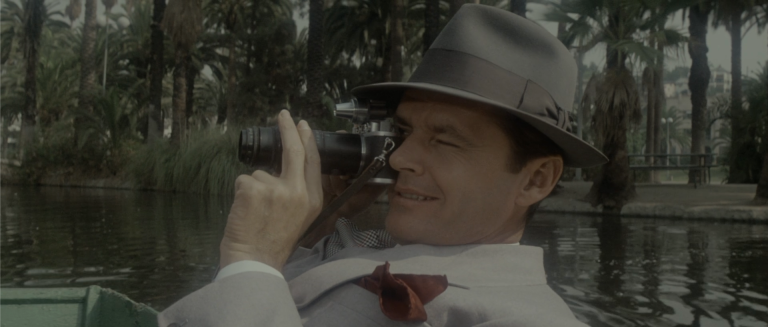
Jake Gittes photographing Hollis Mulwray and Katherine at Echo Park in Chinatown 1974

Noah Cross hired Jake Gittes for his "nasty reputation" and used it against him. The fake Evelyn Mulwray, the staged photographs, the "find the girl" reframe — the whole case was built to steer Jake's instincts where Cross needed them to go. A character analysis of the Chinatown (1974) protagonist Robert Towne built to be the right kind of wrong man for the job: vain enough to take the bait, professional enough to follow the trail, formed by years of divorce work to misread everything he sees. The trap was set before he walked in.

What the Coens Cut: Sheriff Bell’s War Story and the Vietnam Architecture of No Country for Old Men

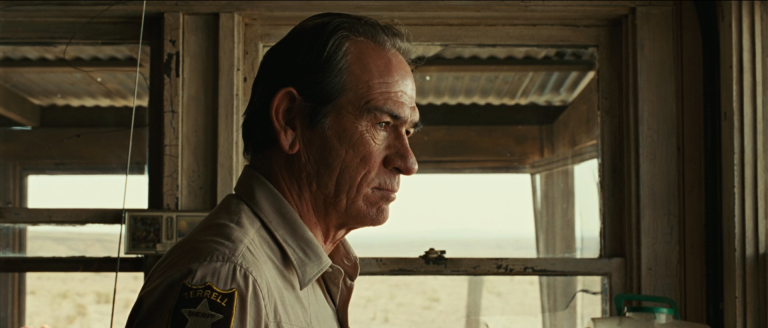
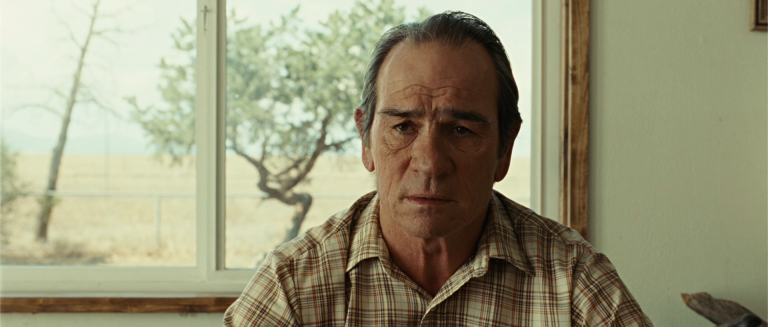
Sheriff Bell war story scene, Tommy Lee Jones as Ed Tom Bell in profile in Ellis's cabin in No Country for Old Men, framed against the West Texas landscape during the moment he tells Ellis that God never came into his life

Near the end of No Country for Old Men, Sheriff Bell sits in his uncle's cabin and admits he feels overmatched. The film never explains why. The novel does — for several pages. Bell's war story, his unearned Bronze Star, the men he left to die in a French farmhouse in 1944: McCarthy built the whole novel around a confession the Coens cut from the screenplay. What they replaced it with, and why the substitution wins Best Adapted Screenplay, is a craft lesson worth more than any rule about what to cut.

No Country for Old Men Ending Explained: The Coin, the Dream, and Why It All Matters

Sheriff Ed Tom Bell in the final scene of No Country for Old Men, explained — Tommy Lee Jones delivering the breakfast-table monologue

This No Country for Old Men ending explained breakdown works through every piece of the Coens' refusal of catharsis: why Carla Jean's coin toss refusal changes the novel in the most important way, what Chigurh's car accident undoes about his worldview, why the boot-check on Carla Jean's porch proves she's dead, what Moss never understood at the Rio Grande bridge, why Bell's fire-in-the-horn dream was never visualized, and why the film refuses to tell us who killed Llewelyn at the Desert Sands. The ending isn't a puzzle with a solution — it's a set of questions the film requires you to answer yourself.