Comedy

In-depth script analysis on comedy films and comedy screenplays. Learn more!

Adaptation Analysis: The Ending Kaufman Rewrote Between Draft and Screen

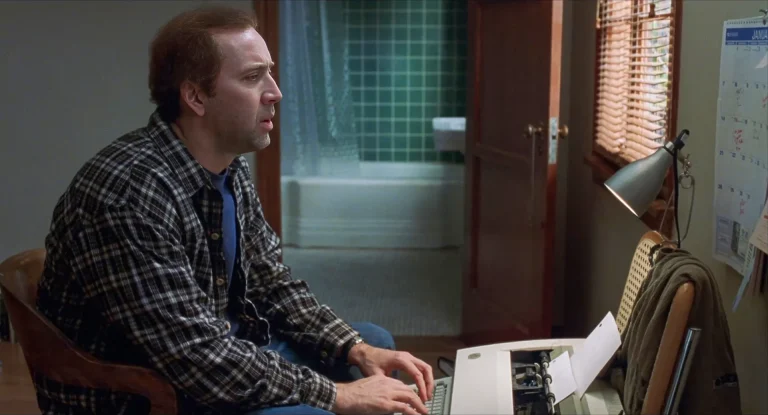
Nicolas Cage as Charlie Kaufman sits at a typewriter beside a window in Adaptation (2002).

Adaptation (2002) carries a writing credit for a man who does not exist, and that is the least of what changed between page and screen. The November 2000 draft ends with a different woman, a darker climax, and a song sung at a deathbed. This Adaptation analysis works from the draft, the finished film, and three interviews — including Kaufman and Jonze's first joint conversation about the movie in twenty-two years — to track what the release print kept, cut, and quietly rewrote.

Learn MoreAdaptation Analysis: The Ending Kaufman Rewrote Between Draft and Screen

Sunset Boulevard Analysis: Ready for My Close-Up, Mr. DeMille!

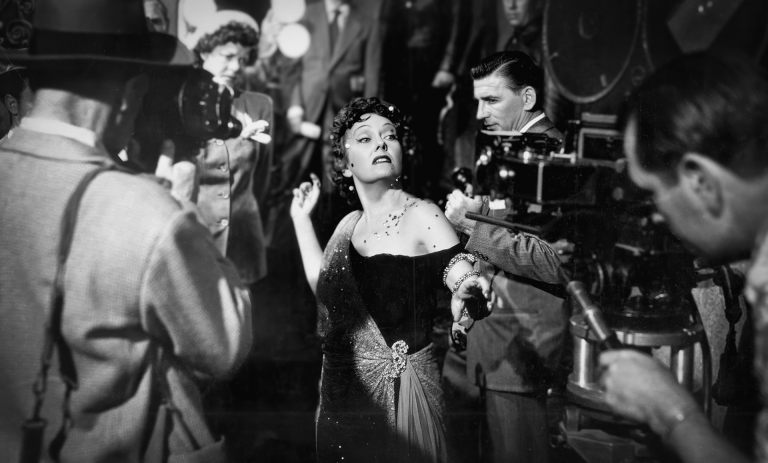
Sunset Boulevard analysis: Norma Desmond (Gloria Swanson) surrounded by newsreel cameras during the iconic final close-up scene in Billy Wilder's 1950 film noir.

Billy Wilder's 1950 masterpiece subverted film noir by using a deceased, first-person narrator to deliver an inevitable tragedy. This comprehensive Sunset Boulevard analysis breaks down the radical reverse chronology, the split Act II structure, and the fatal clash between Hollywood's manufactured dream and grotesque reality — beat by beat, with timestamps.

Learn MoreSunset Boulevard Analysis: Ready for My Close-Up, Mr. DeMille!

Risky Business Analysis: The Ending Brickman Wrote

Risky-Business-Analysis

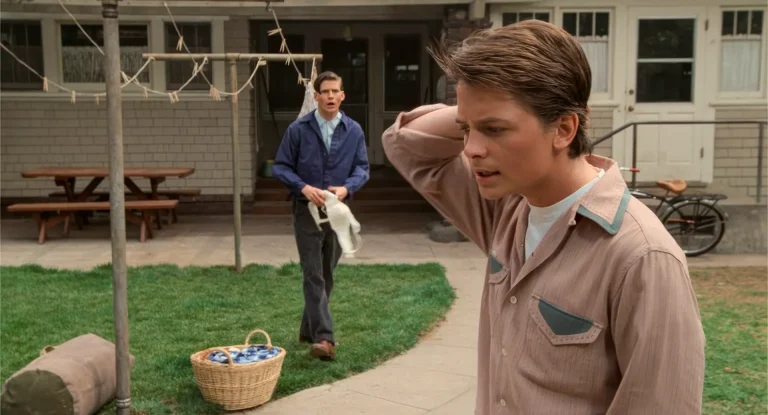
This Risky Business analysis reads Paul Brickman's 1983 film as a noir on the American experiment wearing a teen comedy's clothes. Working from the third and fifth drafts, it tracks Joel Goodsen's reverse morality arc, the three dreams the film invoices one by one, and the Risky Business original ending the studio replaced with a Princeton letter. Calculated risk beats ethical conduct, and the film says so.

Learn MoreRisky Business Analysis: The Ending Brickman Wrote

The Big Lebowski Analysis: Shomer Shabbos! The Hidden Wisdom of Not Doing Anything

Big Lebowski Script

The Big Lebowski is a structural paradox: a neo-noir mystery where the convoluted plot is intentionally irrelevant. The Coen Brothers prioritize character inertia, pitting The Dude's "abiding" philosophy against Walter Sobchak's rigid, aggressive rules. This analysis reveals the hidden wisdom behind achieving nothing.

Learn MoreThe Big Lebowski Analysis: Shomer Shabbos! The Hidden Wisdom of Not Doing Anything

Zombieland Analysis: The Rules of Surviving and the Art of Found Family

Zombieland Analysis

The 2009 horror-comedy Zombieland is an exemplary text for screenwriting, establishing the structural thesis of the episodic therapeutic road movie. This analysis shows the film immediately subverts typical zombie genre conventions, prioritizing the Protagonist's internal anxiety over external horror. Instead of focusing solely on gore, the film plunges the main crew into a series of comedic, rule-bound confrontations that drive emotional growth. This approach uses the rules and the recurring beat sheet structure as a technical mechanism, framing the apocalyptic journey as a coming-of-age story. Ultimately, Zombieland offers a profound thematic resonance, proving that true survival hinges not on physical skills, but on finding and committing to a "found family."
Learn MoreZombieland Analysis: The Rules of Surviving and the Art of Found Family