Coming-of-age

The Great Santini Analysis: Warrior Without a War

Bull Meechum raises a toast in The Great Santini analysis opening scene in Spain 1962

The Great Santini asks a question most films won't touch: what does society do with the men it builds for war when the war ends? This analysis examines Lewis John Carlino's adaptation of Pat Conroy's semi-autobiographical novel through the lens of the warrior code as both domestic weapon and redemptive tool — tracing how Bull Meechum's pathology structures every scene, beat, and character arc. Drawing on the Save the Cat! framework, the real Conroy family testimony, and Robert Duvall's physical grammar of performance, this is a craft-first breakdown for working screenwriters.

Learn MoreThe Great Santini Analysis: Warrior Without a War

Stand By Me Summary & Analysis: Plot, Themes, Gun Swap

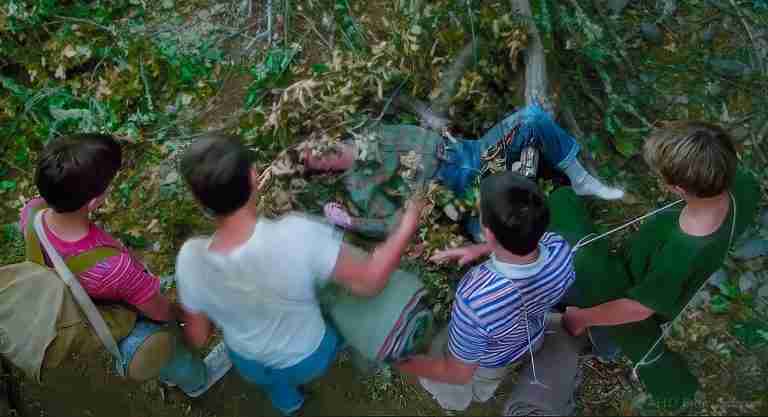
Stand By Me analysis featured image: Overhead view of Gordie, Chris, Teddy, and Vern standing around Ray Brower's body in the woods.

Dive into this in-depth Stand By Me analysis of Rob Reiner's 1986 classic, adapted from Stephen King's The Body. Discover how a simple quest for a body becomes a profound journey through grief, unbreakable friendship, and the bittersweet loss of innocence. With a beat-by-beat screenplay breakdown and practical screenwriting lessons, see why it remains a timeless coming-of-age blueprint.

Learn MoreStand By Me Summary & Analysis: Plot, Themes, Gun Swap

Risky Business Analysis: The Ending Brickman Wrote

Risky-Business-Analysis

This Risky Business analysis reads Paul Brickman's 1983 film as a noir on the American experiment wearing a teen comedy's clothes. Working from the third and fifth drafts, it tracks Joel Goodsen's reverse morality arc, the three dreams the film invoices one by one, and the Risky Business original ending the studio replaced with a Princeton letter. Calculated risk beats ethical conduct, and the film says so.

Learn MoreRisky Business Analysis: The Ending Brickman Wrote