Drama

In-depth script analysis on drama screenplays and films. Learn more!

Tender Mercies Analysis: I Don’t Trust Happiness-I Never Will
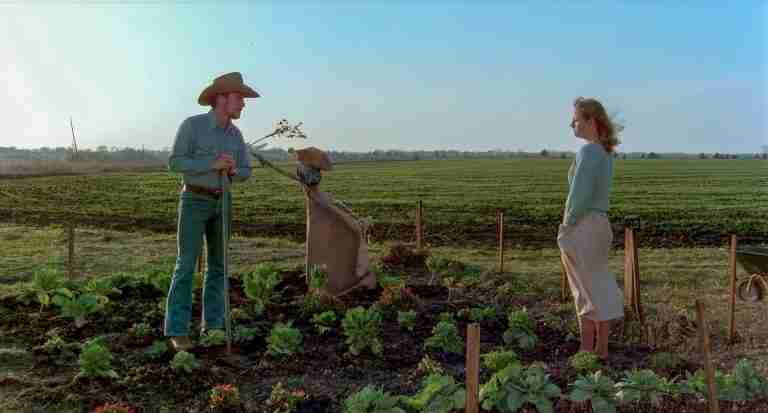
Robert Duvall and Tess Harper in a barren Texas garden during the pivotal "I don't trust happiness" scene from Tender Mercies.

Tender Mercies explores the quiet, inexplicable nature of grace through the lens of Horton Foote’s minimalist screenplay and the "Save the Cat!" structural framework. This analysis deconstructs how Robert Duvall’s iconic performance leverages silence and narrative economy to transform a simple drifter into a protagonist with profound agency. Discover how to scale your character's victory to the quiet truths of reality in this definitive craft tribute to a cinema legend.
Learn MoreTender Mercies Analysis: I Don’t Trust Happiness-I Never Will

The Godfather Part II Ending Explained: Vito Rises, Michael Falls

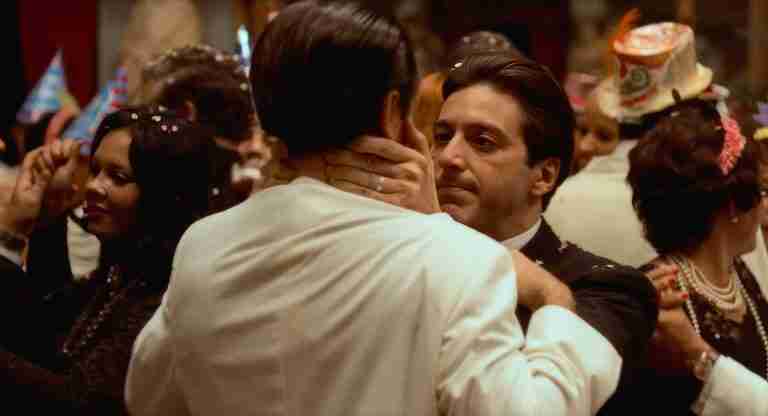
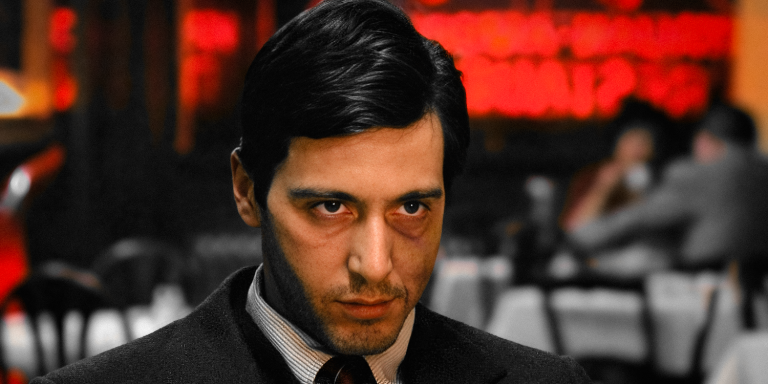
The Godfather Part II analysis: Michael Corleone gives Fredo the kiss of death in Havana.

This analysis deconstructs the structural genius of Francis Ford Coppola's sequel through the lens of a "Rhyming Beat" system. We explore how the parallel timelines of Vito’s rise and Michael’s descent create a masterclass in tragic irony and narrative symmetry. Dive into the three catastrophic sacrifices that transform Michael Corleone from an idealistic Marine into a hollow, isolated king.

Learn MoreThe Godfather Part II Ending Explained: Vito Rises, Michael Falls

Citizen Kane Analysis: Rosebud

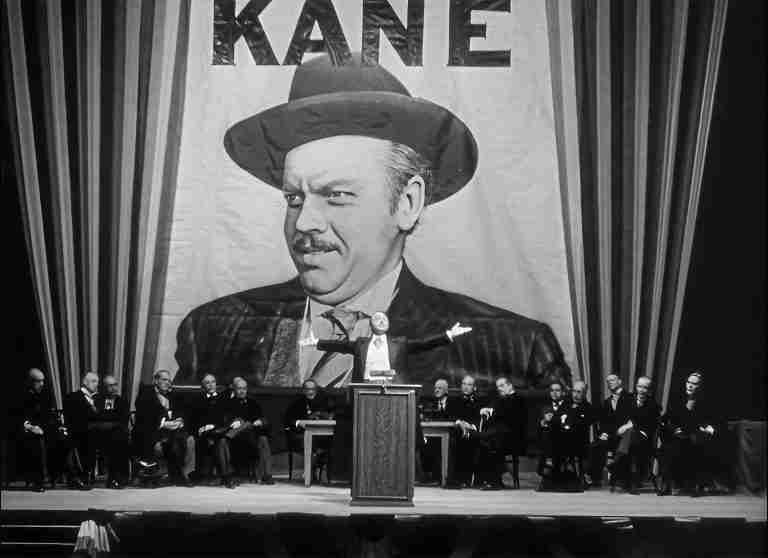
Charles Foster Kane on massive campaign banner during rally in Citizen Kane, symbolizing his peak power and cult of personality

This Citizen Kane analysis uncovers how Orson Welles and Herman J. Mankiewicz used fragmented flashbacks and the symbolic "Rosebud" sled to explore the subjectivity of truth, lost innocence, and the corrupting power of wealth. Through character arcs and Save the Cat beat-sheet breakdown, the article reveals why the script remains a masterclass in non-linear storytelling and tragic hubris. (98 words)

Learn MoreCitizen Kane Analysis: Rosebud

Annie Hall analysis: The Postmodern “We Need the Eggs” Trap

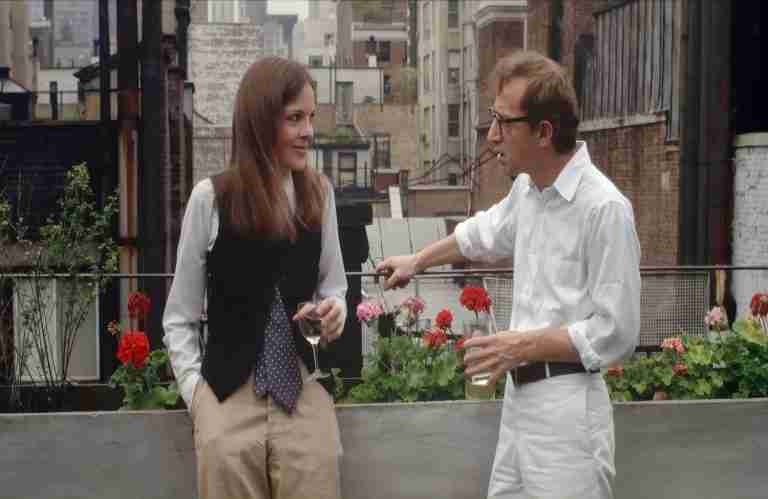
Annie Hall rooftop balcony Woody Allen Diane Keaton Alvy Singer asks "What are you doing Saturday night?" drinks New York skyline 1977 film scene

Annie Hall analysis delves into Woody Allen’s revolutionary 1977 masterpiece, dissecting the irrationality of modern romance through Alvy Singer’s neurotic lens and Annie’s journey toward independence. The article examines how non-linear memory, cultural incompatibility, and self-sabotaging intellect drive the relationship’s inevitable collapse—yet affirm love’s absurd necessity. This deep structural and thematic breakdown offers essential lessons for screenwriters crafting authentic, introspective character-driven stories.

Learn MoreAnnie Hall analysis: The Postmodern “We Need the Eggs” Trap

The Color of Money analysis: Money Won Is Twice as Sweet

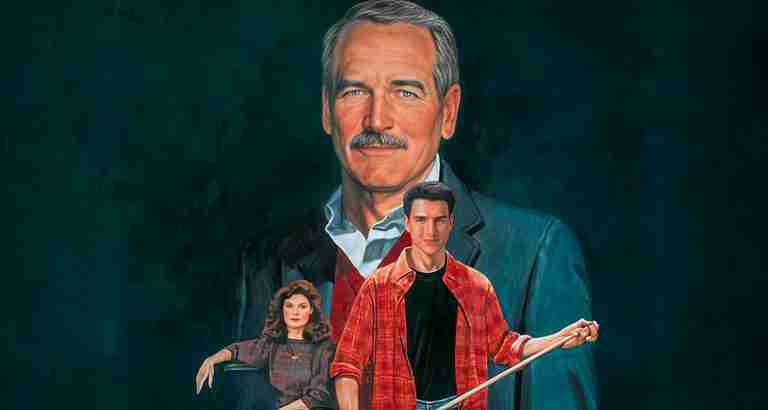
The Color of Money analysis featured image with Paul Newman as Fast Eddie Felson, Tom Cruise as Vincent, and Mary Elizabeth Mastrantonio as Carmen

This The Color of Money analysis explores the film's core inquiry into ambition as a zero-sum psychological battle, where passion clashes with corruption in a "double helix" arc. Through Pargin's lens of performative masculinity and symbolic motifs like the Balabushka cue, the screenplay dissects Eddie's redemption and Vincent's fall, revealing mentorship's mirroring flaws. Discover why Price's structure remains a timeless screenwriting blueprint for ego-driven narratives.

Learn MoreThe Color of Money analysis: Money Won Is Twice as Sweet

Past Lives Analysis: Who You Are Is a Person Who Leaves

Past Lives analysis Jane's Carousel Nora Hae Sung nostalgic conversation

Past Lives probes the tension between predestined In-Yun connections and the irreversible choices of immigration. By tracing arcs of mourning lost selves and granting closure, the film reveals how cultural divides and quiet moments generate deep emotional resonance. Aspiring writers will find essential lessons in thematic restraint and structural subtlety.

Learn MorePast Lives Analysis: Who You Are Is a Person Who Leaves

A Few Good Men Analysis: True Story, Beat Sheet & the Trap

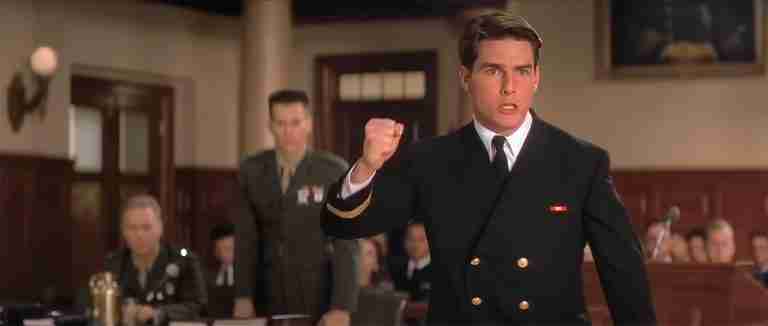
A Few Good Men analysis: Lt. Daniel Kaffee confronts Colonel Jessup in the climactic courtroom scene.

This deep-dive A Few Good Men analysis deconstructs Aaron Sorkin’s masterful use of linguistic traps and character-driven conflict to explore the collision between institutional loyalty and the objective truth. By examining Daniel Kaffee’s moral transformation through the lens of a classic three-act "Save the Cat" structure, we reveal why this courtroom drama remains an essential masterclass for modern screenwriters.

Learn MoreA Few Good Men Analysis: True Story, Beat Sheet & the Trap