Drama

In-depth script analysis on drama screenplays and films. Learn more!

Stand By Me Summary & Analysis: Plot, Themes, Gun Swap
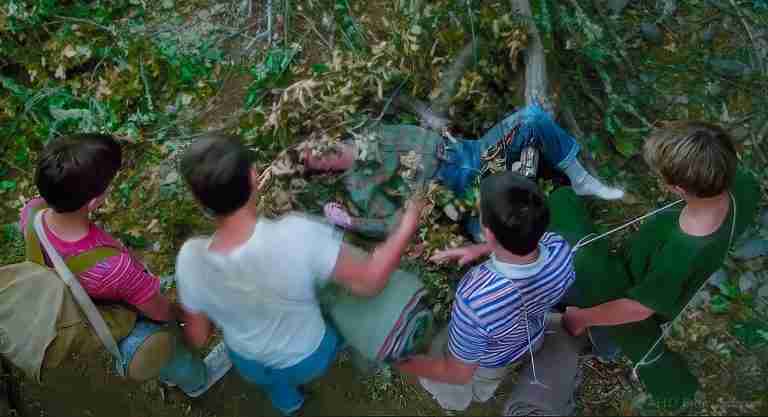
Stand By Me analysis featured image: Overhead view of Gordie, Chris, Teddy, and Vern standing around Ray Brower's body in the woods.

Dive into this in-depth Stand By Me analysis of Rob Reiner's 1986 classic, adapted from Stephen King's The Body. Discover how a simple quest for a body becomes a profound journey through grief, unbreakable friendship, and the bittersweet loss of innocence. With a beat-by-beat screenplay breakdown and practical screenwriting lessons, see why it remains a timeless coming-of-age blueprint.

Learn MoreStand By Me Summary & Analysis: Plot, Themes, Gun Swap

Top Gun Analysis: Maverick’s Great Balls of Redemption

Top Gun 1986 promotional image Maverick in F-14 Tomcat cockpit American flag

The screen credit reads Jim Cash and Jack Epps Jr. The draft in circulation carries Warren Skaaren's name and a date twenty-five days before cameras rolled, and he received no writing credit for it. Set beside the finished film, it shows a different ocean, a different enemy aircraft, and a dinner scene that crossed over nearly word for word. The line the movie is remembered by is not in it. Full Top Gun beat sheet with timestamps.

Learn MoreTop Gun Analysis: Maverick’s Great Balls of Redemption

Top Gun: Maverick — The Script vs. What Got Filmed

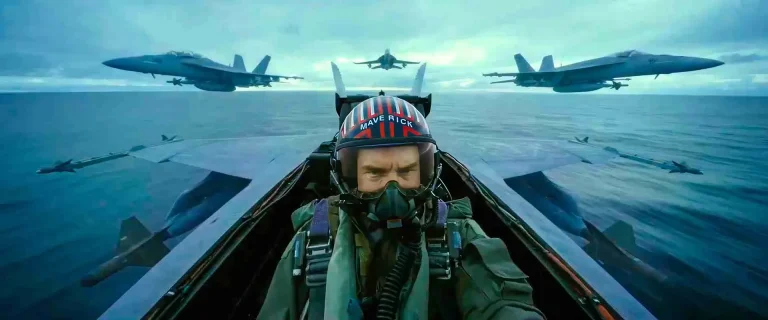
Tom Cruise as Maverick in an F/A-18 cockpit with three jets in formation over the ocean behind him

Top Gun: Maverick masterfully utilizes a four-part structure (split Act II) to transition its protagonist from hotshot to mentor. This architecture frames a profound conflict: Maverick's decades-long guilt over Goose's death, which manifests as a battle against both emotional stasis and the existential threat of technological obsolescence. Read how the film uses analog heroism to achieve a final, moving redemption.

Learn MoreTop Gun: Maverick — The Script vs. What Got Filmed

Adaptation Analysis: The Ending Kaufman Rewrote Between Draft and Screen

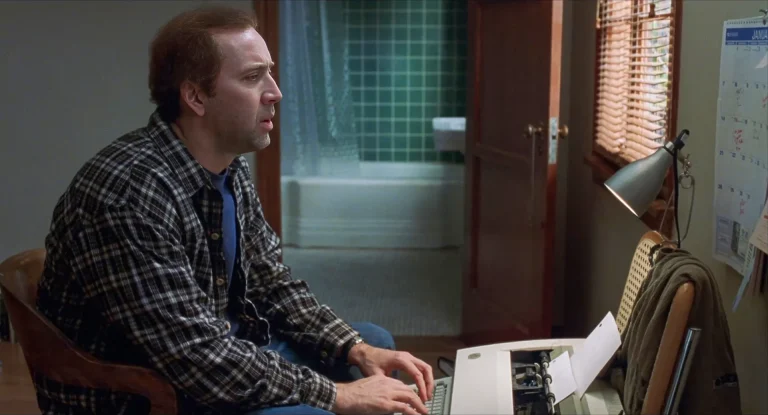
Nicolas Cage as Charlie Kaufman sits at a typewriter beside a window in Adaptation (2002).

Adaptation (2002) carries a writing credit for a man who does not exist, and that is the least of what changed between page and screen. The November 2000 draft ends with a different woman, a darker climax, and a song sung at a deathbed. This Adaptation analysis works from the draft, the finished film, and three interviews — including Kaufman and Jonze's first joint conversation about the movie in twenty-two years — to track what the release print kept, cut, and quietly rewrote.

Learn MoreAdaptation Analysis: The Ending Kaufman Rewrote Between Draft and Screen

Gladiator Analysis: The Two-Climax Structure and the Anatomy of Sacrificial Revenge

Gladiator Screenplay

Ask what the climax of Gladiator is and most people answer with the duel. The duel is only half of it. This analysis argues that the film pays off its revenge plot and its spiritual one in two separate climaxes, the dagger and the gate, and that the first exists only to open the second. Structure, theme, character, and the three writers who found the ending by moving Maximus's family to Elysium.

Learn MoreGladiator Analysis: The Two-Climax Structure and the Anatomy of Sacrificial Revenge

Risky Business Analysis: The Ending Brickman Wrote

Risky-Business-Analysis

This Risky Business analysis reads Paul Brickman's 1983 film as a noir on the American experiment wearing a teen comedy's clothes. Working from the third and fifth drafts, it tracks Joel Goodsen's reverse morality arc, the three dreams the film invoices one by one, and the Risky Business original ending the studio replaced with a Princeton letter. Calculated risk beats ethical conduct, and the film says so.

Learn MoreRisky Business Analysis: The Ending Brickman Wrote