Screenplay Analysis

This archive offers in-depth dissections of influential and award-winning film scripts. Go beyond the plot and learn the core structural choices, character motivation, and thematic complexity used by master storytellers to create compelling cinema. Analyze how great movies truly work to elevate your own writing craft.

Reservoir Dogs Analysis: Loyalty’s Deadly Fracture
Reservoir-Dogs-Analysis

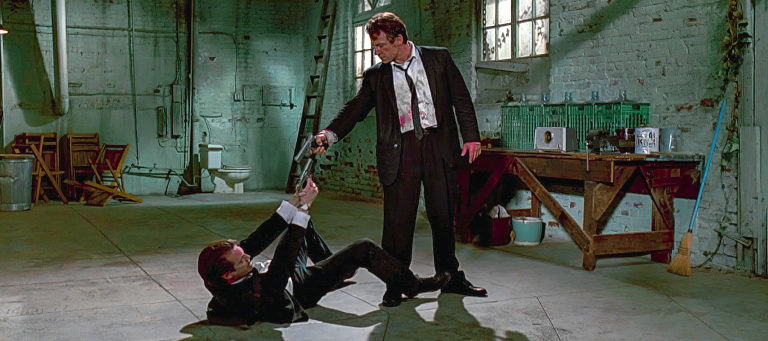
Quentin Tarantino's Reservoir Dogs dissects the irreversible collapse of trust among color-coded criminals, using nonlinear flashbacks to mirror their paranoia and heighten ironic contrasts. This screenplay breakdown explores symbolic motifs like violence as spectacle and the banality of evil in casual debates, while tracing arcs from Mr. White's fatal empathy to Mr. Pink's self-preservation. Discover how omitted action redefines crime narratives.

Learn MoreReservoir Dogs Analysis: Loyalty’s Deadly Fracture

Top Gun: Maverick — The Script vs. What Got Filmed

Tom Cruise as Maverick in an F/A-18 cockpit with three jets in formation over the ocean behind him

Top Gun: Maverick masterfully utilizes a four-part structure (split Act II) to transition its protagonist from hotshot to mentor. This architecture frames a profound conflict: Maverick's decades-long guilt over Goose's death, which manifests as a battle against both emotional stasis and the existential threat of technological obsolescence. Read how the film uses analog heroism to achieve a final, moving redemption.

Learn MoreTop Gun: Maverick — The Script vs. What Got Filmed

Adaptation Analysis: The Ending Kaufman Rewrote Between Draft and Screen

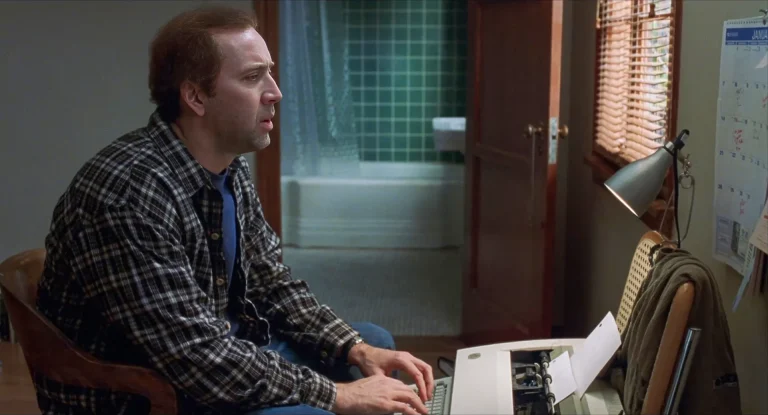
Nicolas Cage as Charlie Kaufman sits at a typewriter beside a window in Adaptation (2002).

Adaptation (2002) carries a writing credit for a man who does not exist, and that is the least of what changed between page and screen. The November 2000 draft ends with a different woman, a darker climax, and a song sung at a deathbed. This Adaptation analysis works from the draft, the finished film, and three interviews — including Kaufman and Jonze's first joint conversation about the movie in twenty-two years — to track what the release print kept, cut, and quietly rewrote.

Learn MoreAdaptation Analysis: The Ending Kaufman Rewrote Between Draft and Screen

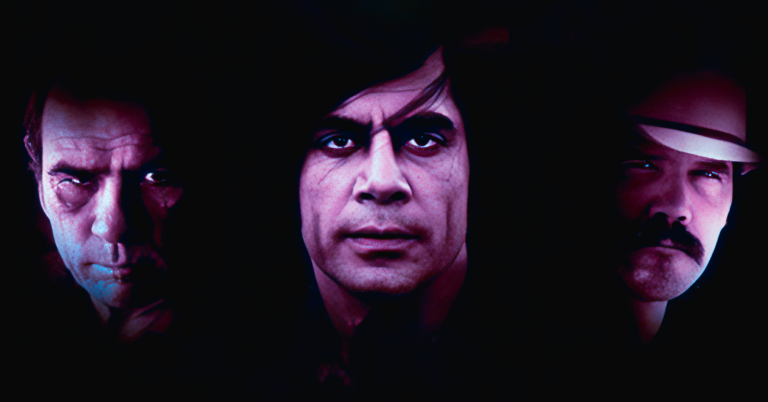
No Country for Old Men Ending: Why Llewelyn Had to Die

No-Country-For-Old-Men-Ending-Explained

No Country for Old Men defies traditional structure, leaving a mark of dread, not triumph. The Coen Brothers subvert expectation: the hero dies off-screen, and the villain, Anton Chigurh, escapes justice, stopped only by a mundane car accident. This unconventional conclusion cements the film's profound statement on the futility of defiance against nihilistic fate.

Learn MoreNo Country for Old Men Ending: Why Llewelyn Had to Die

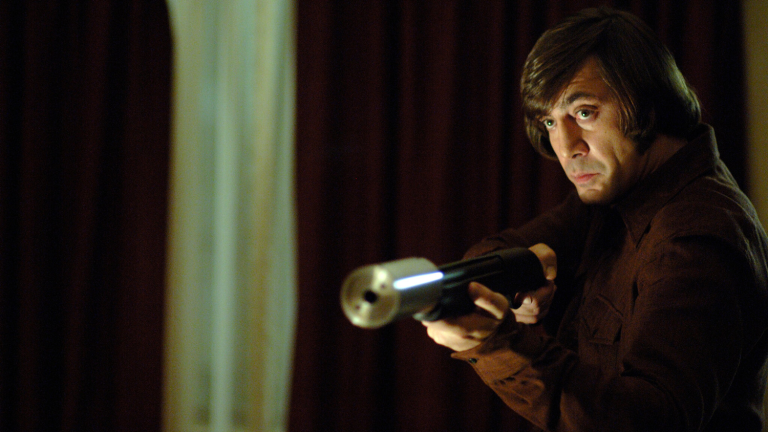
No Country For Old Men Analysis: Fate, Free Will, and the Subversion of Narrative Climax

No-Country-For-Old-Men-Beat-Sheet

No Country for Old Men isn't just a movie; it’s a cold-blooded, atmospheric meditation on fate and the relentless nature of evil that redefined the modern neo-Western. The Coen Brothers introduce Anton Chigurh, cinema's most terrifying boogeyman, who isn't merely a killer but a force of entropy deciding life and death with the flip of a coin. They strip the traditional narrative down to its bone, delivering a minimalist, merciless thriller that challenges the very idea of justice and heroic action. Dive into our detailed analysis to see exactly how this brutal, ambiguous masterpiece subverts classical screenplay structure to deliver one of the most haunting conclusions of the 21st century.

Learn MoreNo Country For Old Men Analysis: Fate, Free Will, and the Subversion of Narrative Climax

Sunset Boulevard Analysis: Ready for My Close-Up, Mr. DeMille!

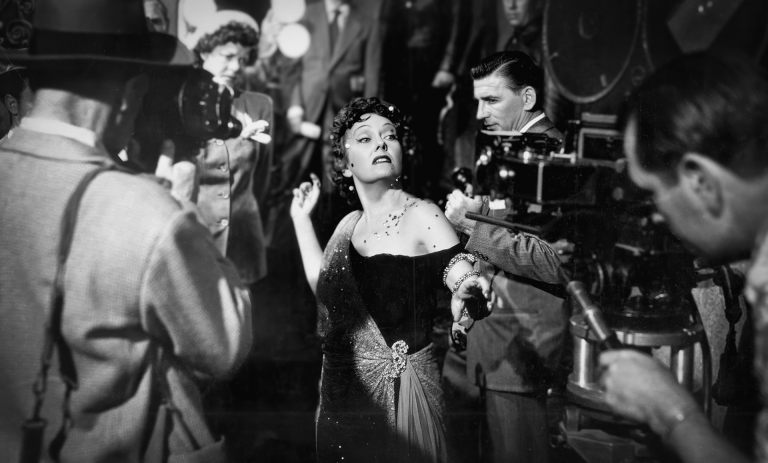
Sunset Boulevard analysis: Norma Desmond (Gloria Swanson) surrounded by newsreel cameras during the iconic final close-up scene in Billy Wilder's 1950 film noir.

Billy Wilder's 1950 masterpiece subverted film noir by using a deceased, first-person narrator to deliver an inevitable tragedy. This comprehensive Sunset Boulevard analysis breaks down the radical reverse chronology, the split Act II structure, and the fatal clash between Hollywood's manufactured dream and grotesque reality — beat by beat, with timestamps.

Learn MoreSunset Boulevard Analysis: Ready for My Close-Up, Mr. DeMille!

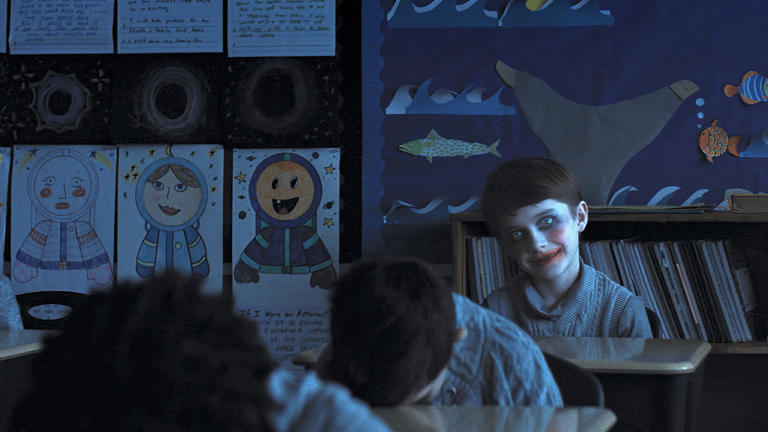
Weapons Movie Analysis: The Fractured Narrative and Structural Deconstruction of Cregger’s Horror Epic

weapons-movie-analysis

This Weapons analysis reveals a revolutionary narrative structure that completely redefines the horror genre's conventions. Cregger subverts the procedural by plunging viewers directly into the aftermath of seventeen children fleeing their homes at 2:17 a.m. This intentional non-linear approach—the fractured narrative state—acts as a masterclass in screenwriting, forcing the audience to actively assemble the truth. Our full beat sheet provides the essential breakdown of the film’s unique structural mechanics, examining its powerful thematic conclusion on systemic societal failure.

Learn MoreWeapons Movie Analysis: The Fractured Narrative and Structural Deconstruction of Cregger’s Horror Epic