Science Fiction

In-depth script analysis on science fiction screenplays and films. Learn more!

Return of the Jedi analysis: It’s a Trap! Secrets Revealed
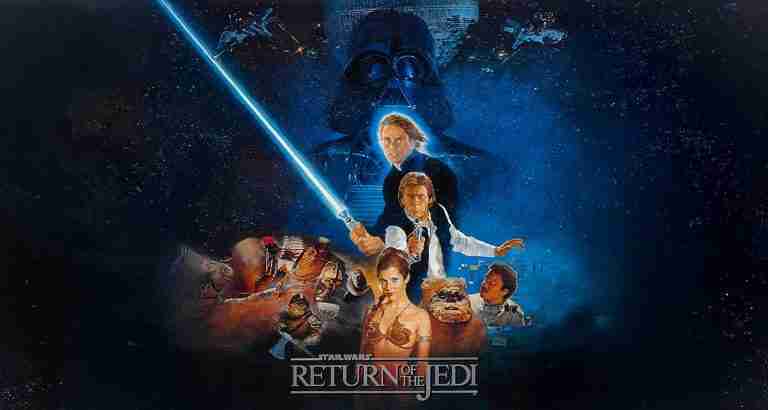
Return of the Jedi analysis classic theatrical poster featuring Luke Skywalker Darth Vader and cast

Return of the Jedi analysis examines the film's profound redemption arc for Darth Vader and Luke Skywalker's moral triumph as a Jedi. Through the Save the Cat beat sheet and layered tension-building, it reveals how family legacy and collective resistance converge for cathartic closure. This breakdown offers screenwriters timeless insights into earning emotional payoffs in epic trilogies.
Learn MoreReturn of the Jedi analysis: It’s a Trap! Secrets Revealed

Empire Strikes Back analysis: No, I Am Your Father

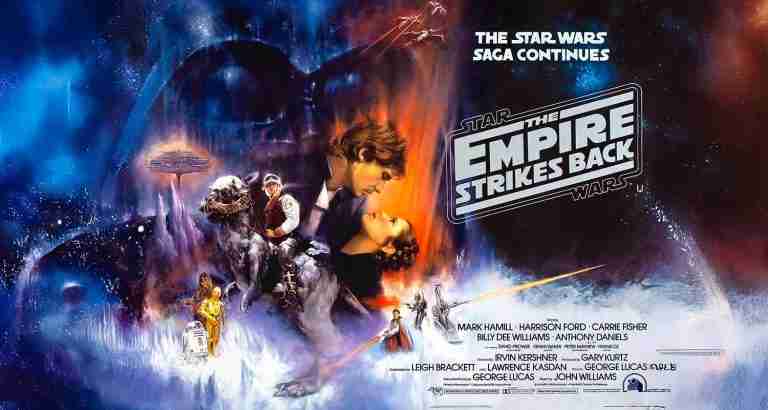
The Empire Strikes Back 1980 original movie poster – featured image for Empire Strikes Back analysis

An Empire Strikes Back analysis built from the documents: Brackett's 1978 draft, where Darth Vader and Luke's father are two separate characters and a typed sister named Nellith is struck out by hand; the shooting script; and the cast commentaries that explain why the film's most famous line was never spoken on set. Beat sheet timed from the dialogue track.

Learn MoreEmpire Strikes Back analysis: No, I Am Your Father

Star Wars 1977 Screenplay Analysis: May the Force Be With You

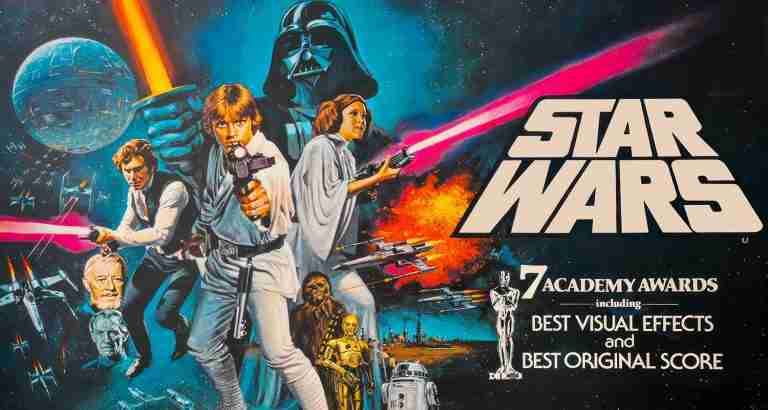
Star Wars 1977 screenplay analysis: Original 1977 theatrical Style A poster for A New Hope featuring Luke Skywalker, Darth Vader, and the Death Star

This Star Wars 1977 screenplay analysis delves into George Lucas's mythic framework, where the Force symbolizes spiritual resilience against technological tyranny. Through Joseph Campbell's hero's journey lens, it examines Luke's arc from naive idealism to enlightened warrior, highlighting themes of destiny and corruption. Uncover how these elements craft an enduring narrative blueprint for screenwriters.

Learn MoreStar Wars 1977 Screenplay Analysis: May the Force Be With You

Terminator 2 Analysis: Hasta la Vista, Baby – Irony of Empathy

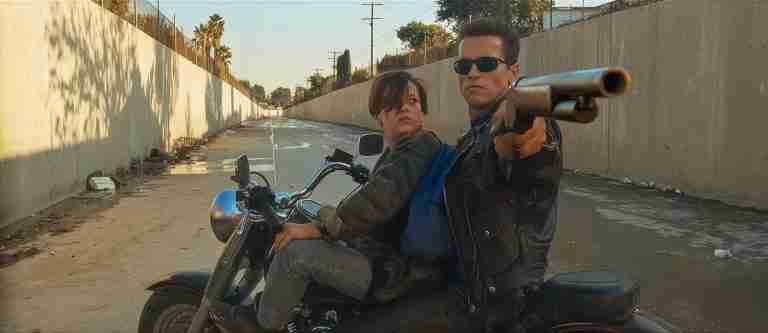
Terminator 2 analysis: T-800 protects John Connor in the motorcycle escape scene from James Cameron's masterpiece

This Terminator 2 analysis tracks one structural inversion across the whole film: a killing machine climbs toward compassion while a human being hardens into something mechanical. Cameron and co-writer William Wisher take the unstoppable villain of the first movie and reprogram him into a protector, then spend two hours asking whether a thing built for one purpose can choose another. The line everyone quotes — "Hasta la vista, baby" — is the joke that hides the argument: a weapon learns human slang, learns human grief, and then chooses its own destruction to protect the people who taught it. What follows is a scene-by-scene Terminator 2 screenplay breakdown of how that trade works, where the beats land, and what a writer can lift from it.

Learn MoreTerminator 2 Analysis: Hasta la Vista, Baby – Irony of Empathy

The Force Awakens Analysis: “That’s Not How the Force Works!”

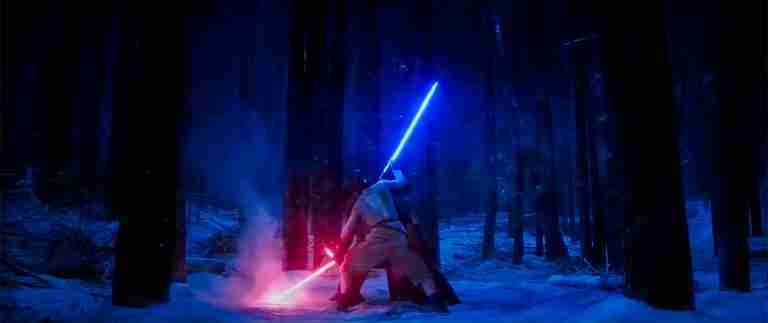
Rey and Kylo Ren clashing blue and red lightsabers in the snowy forest duel on Starkiller Base – The Force Awakens analysis featured image

Delve into the film's generational legacy and awakening motifs. These elements frame the movie as a corporate blueprint for franchise revival through nostalgic echoes and fresh hero journeys. By examining Blake Snyder's Save the Cat structure alongside identity struggles, it reveals how strategic caution balanced homage with innovation. Uncover screenwriting lessons in accessible mythmaking amid high-stakes Hollywood pressures.

Learn MoreThe Force Awakens Analysis: “That’s Not How the Force Works!”