Doctor Sleep Director’s Cut vs Theatrical: Every Difference

The Doctor Sleep Director's Cut adds 28 minutes. Under half of them are King's. Every addition, tested against the novel, and why the long cut is the better film.
The Doctor Sleep Director's Cut adds 28 minutes. Under half of them are King's. Every addition, tested against the novel, and why the long cut is the better film.

He leaves a child to die and later dies for a child. Dan Torrance’s arc in Doctor Sleep, with King’s novel and Flanagan’s screenplay beside the film: the apartment, the lockboxes, Hallorann’s debt, the hotel wearing his father’s face at the Gold Room bar, and why the ending puts him in Hallorann’s place.

An American Werewolf in London analysis from the shooting draft up. Landis tells you the ending in Act One, then spends eighty minutes making you hope the rules are wrong. What the August 1980 script had, what the film added, and why "I love you" can't save David.

This Big Trouble in Little China analysis deconstructs the film's subversion of the hero archetype, portraying Jack Burton as a courageous idiot whose blind luck and bravado mask deeper themes of fate versus skill. Through structural lenses like Save the Cat beats and character inversions, it reveals how tradition clashes with modernity in hidden worlds, offering aspiring writers tools for genre-blending mastery. Explore why this cult classic endures as a blueprint for ironic heroism.
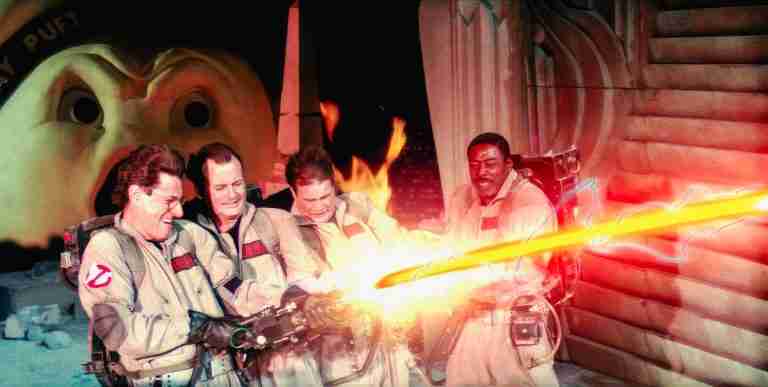
Ghostbusters analysis delves into the film's thematic core, exploring how private innovation triumphs over institutional rigidity while ancient supernatural forces clash with modern society. Through character arcs like Venkman's shift from cynicism to heroism and structural lenses such as the Save the Cat beat sheet, the article reveals the narrative's enduring lessons on teamwork and satirical commentary. Discover why this 1984 classic remains a blueprint for genre-blending screenwriting.
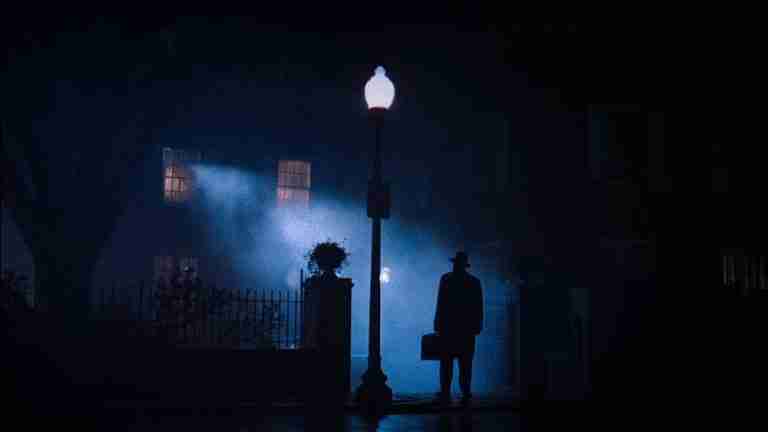
Learn how The Exorcist masterfully balances the dual protagonist journey of Chris MacNeil's external horror and Father Karras's internal crisis of faith. This structural analysis breaks down all 15 beats—from the Catalyst to the climax of sacrificial love—proving the film's theological victory.
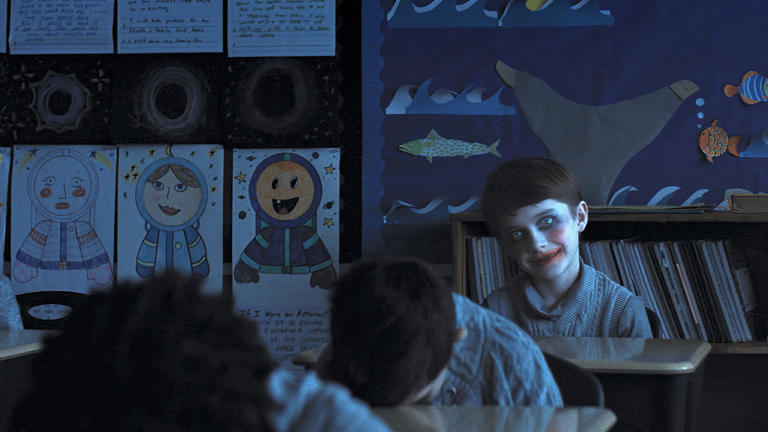
This Weapons analysis reveals a revolutionary narrative structure that completely redefines the horror genre's conventions. Cregger subverts the procedural by plunging viewers directly into the aftermath of seventeen children fleeing their homes at 2:17 a.m. This intentional non-linear approach—the fractured narrative state—acts as a masterclass in screenwriting, forcing the audience to actively assemble the truth. Our full beat sheet provides the essential breakdown of the film’s unique structural mechanics, examining its powerful thematic conclusion on systemic societal failure.


