Thriller

One Battle After Another Analysis: It’s One Battle After Another
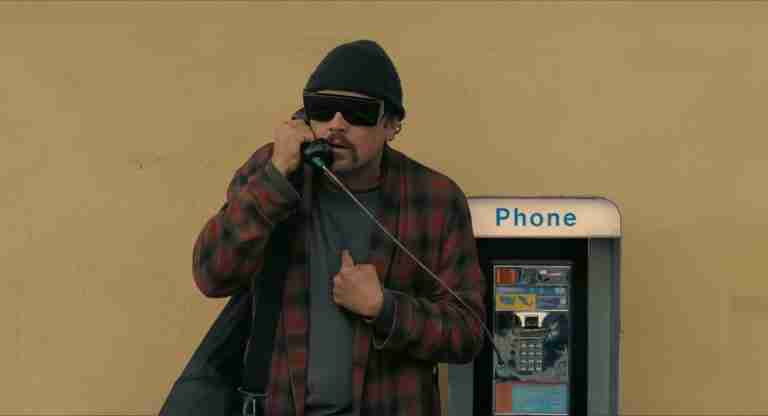
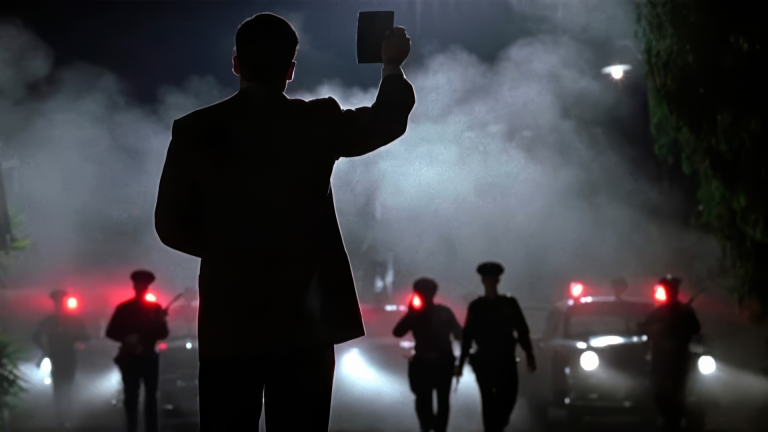
Leonardo DiCaprio as Bob Ferguson in a One Battle After Another analysis of the failing protagonist.

Paul Thomas Anderson's One Battle After Another pulls off something most chase thrillers won't attempt: the protagonist fails at almost everything, the antagonist drives the entire plot, and the film is better for both choices. This One Battle After Another analysis breaks down how Anderson and Pynchon's Vineland DNA combine to build a story where the wrong character looks like the hero for two hours — and why that structural subversion is the point. Six Oscars including Best Picture and Best Director. Here's how the screenplay earned them.
Learn MoreOne Battle After Another Analysis: It’s One Battle After Another

Uncut Gems analysis: “This Is How I Win” – Howard’s Chaotic Triumph

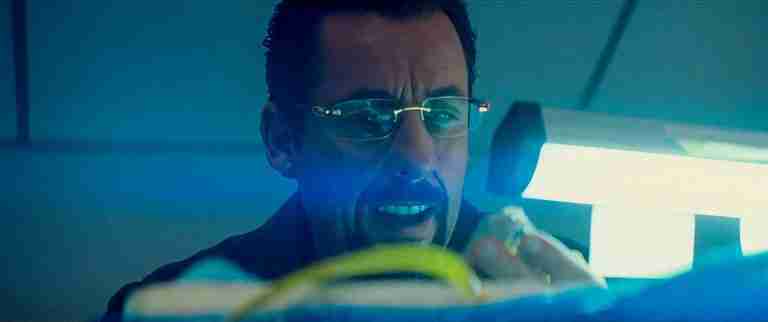
Adam Sandler as Howard Ratner in Uncut Gems, bathed in blue light while obsessively inspecting the black opal.

This Uncut Gems analysis deconstructs the Safdie brothers' frantic masterpiece, revealing how a rigid "Save the Cat!" structural framework supports a narrative of pure entropic chaos. By exploring Howard Ratner’s dopamine-fueled spiral, we examine the intersection of "superpower" risk-taking and cosmic fate to see how the screenplay masterfully balances high-tension thrills with profound Jewish identity motifs. Dive into this masterclass on character-driven tragedy to discover essential screenwriting lessons on crafting the perfect tragic anti-hero.

Learn MoreUncut Gems analysis: “This Is How I Win” – Howard’s Chaotic Triumph

Misery Analysis: I’m Your Number One Fan

Kathy Bates as Annie Wilkes holding a sledgehammer in the iconic hobbling scene from Misery (1990) – central to this Misery analysis of psychological tension.

Explore how Misery transforms toxic fandom into a chilling metaphor for creative entrapment, with Annie Wilkes' God complex clashing against Paul Sheldon's desperate storytelling survival. Through pressure-cooker structure and escalating psychological beats, Goldman's adaptation becomes a masterclass in sustained tension. Gain fresh insights to elevate your horror screenwriting craft.

Learn MoreMisery Analysis: I’m Your Number One Fan

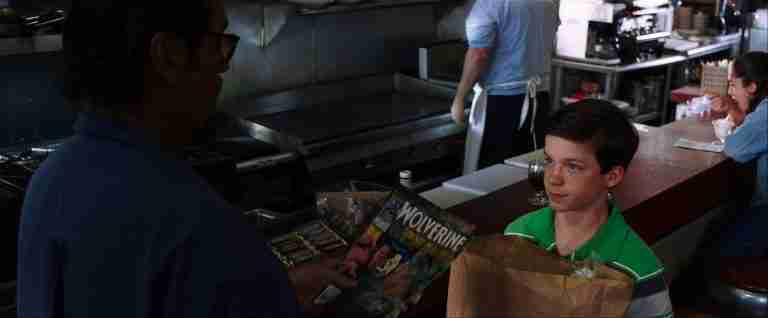
The Departed Opening Scene Analysis: How Costello Grooms Colin’s Fatal Flaw in 3 Minutess

Martin Scorsese's The Departed opening scene showing Frank Costello handing young Colin Sullivan a Wolverine comic book, which introduces the fatal "X" motif and foreshadows his role as a mole.

In the first three minutes of The Departed, Scorsese doesn't just introduce Frank Costello—he seals Colin Sullivan's doomed fate with groceries, coins, and a Wolverine comic. This opening scene is a masterclass in grooming a character's fatal flaw through subtle foreshadowing. Dive into the structural brilliance that sets up one of cinema's greatest crime thrillers.

Learn MoreThe Departed Opening Scene Analysis: How Costello Grooms Colin’s Fatal Flaw in 3 Minutess

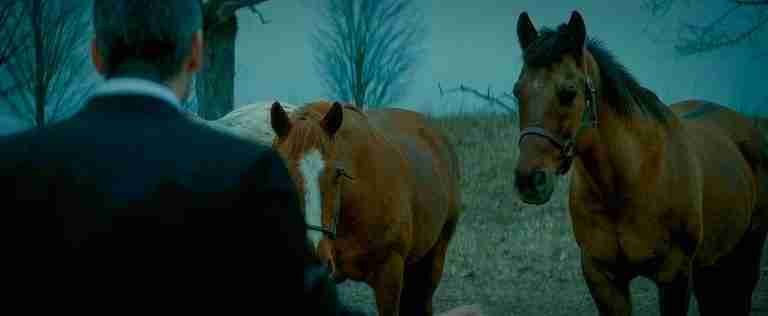
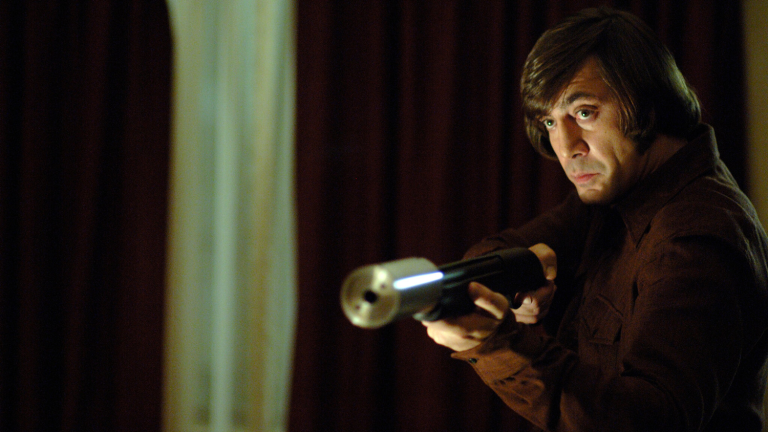
No Country for Old Men Ending: Why Llewelyn Had to Die

No-Country-For-Old-Men-Ending-Explained

No Country for Old Men defies traditional structure, leaving a mark of dread, not triumph. The Coen Brothers subvert expectation: the hero dies off-screen, and the villain, Anton Chigurh, escapes justice, stopped only by a mundane car accident. This unconventional conclusion cements the film's profound statement on the futility of defiance against nihilistic fate.

Learn MoreNo Country for Old Men Ending: Why Llewelyn Had to Die

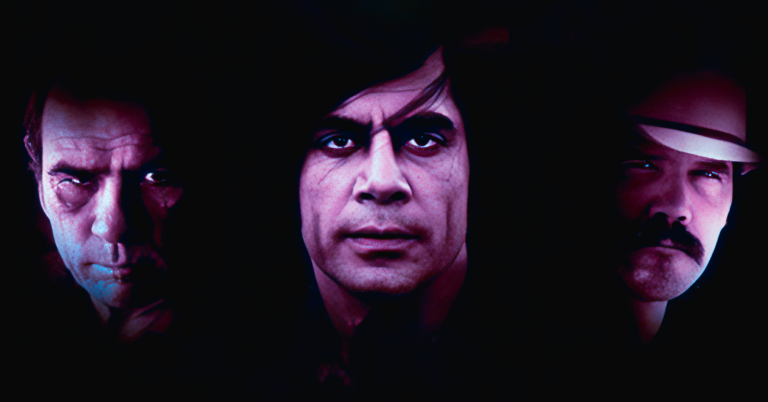
No Country For Old Men Analysis: Fate, Free Will, and the Subversion of Narrative Climax

No-Country-For-Old-Men-Beat-Sheet

No Country for Old Men isn't just a movie; it’s a cold-blooded, atmospheric meditation on fate and the relentless nature of evil that redefined the modern neo-Western. The Coen Brothers introduce Anton Chigurh, cinema's most terrifying boogeyman, who isn't merely a killer but a force of entropy deciding life and death with the flip of a coin. They strip the traditional narrative down to its bone, delivering a minimalist, merciless thriller that challenges the very idea of justice and heroic action. Dive into our detailed analysis to see exactly how this brutal, ambiguous masterpiece subverts classical screenplay structure to deliver one of the most haunting conclusions of the 21st century.

Learn MoreNo Country For Old Men Analysis: Fate, Free Will, and the Subversion of Narrative Climax

L.A. Confidential Analysis: Justice Outside the System

la-confidential-analysis

L.A. Confidential (1997) is a film about three cops, one corrupt institution, and the business of producing image. Curtis Hanson and Brian Helgeland's adaptation of James Ellroy's novel braids three parallel investigations — Bud White's vigilante search, Jack Vincennes's reluctant return to real police work, and Ed Exley's belief in a system that turns out to be the criminal — until all three threads collapse into a single shotgun blast at the Victory Motel. This act-by-act breakdown maps the screenplay's five-act structure with a beat sheet, a thread-convergence table, and the L.A. Confidential ending explained as what it actually is: not a redemption story, but the institution producing one more cover-up and giving the cop who pulled the trigger a Medal of Valor for it.

Learn MoreL.A. Confidential Analysis: Justice Outside the System

Comprehensive Vertigo Movie Analysis: Exploring Hitchcock’s Masterpiece of Obsession and Identity

vertigo-screenplay-analysis-and-beat-sheet

Alfred Hitchcock’s Vertigo (1958) redefines the mystery genre by deploying its central structural revelation at the midpoint. Instead of withholding the antagonist's deception, the film plunges viewers into Scottie’s subsequent, devastating psychological breakdown, making the audience complicit in his obsession. This radical screenwriting choice—the use of a preemptive structural confession—transforms the story from a whodunit into an obsessive character analysis of psychological control. Ultimately, the film offers a masterclass in narrative structure, providing a powerful beat sheet for writers exploring idealization and the destructive nature of aesthetic fantasy.

Learn MoreComprehensive Vertigo Movie Analysis: Exploring Hitchcock’s Masterpiece of Obsession and Identity