Deep Dives on Your Favorite Movies
Screenplay analysis books and free essay series, built from the drafts, the commentaries, and the film itself.
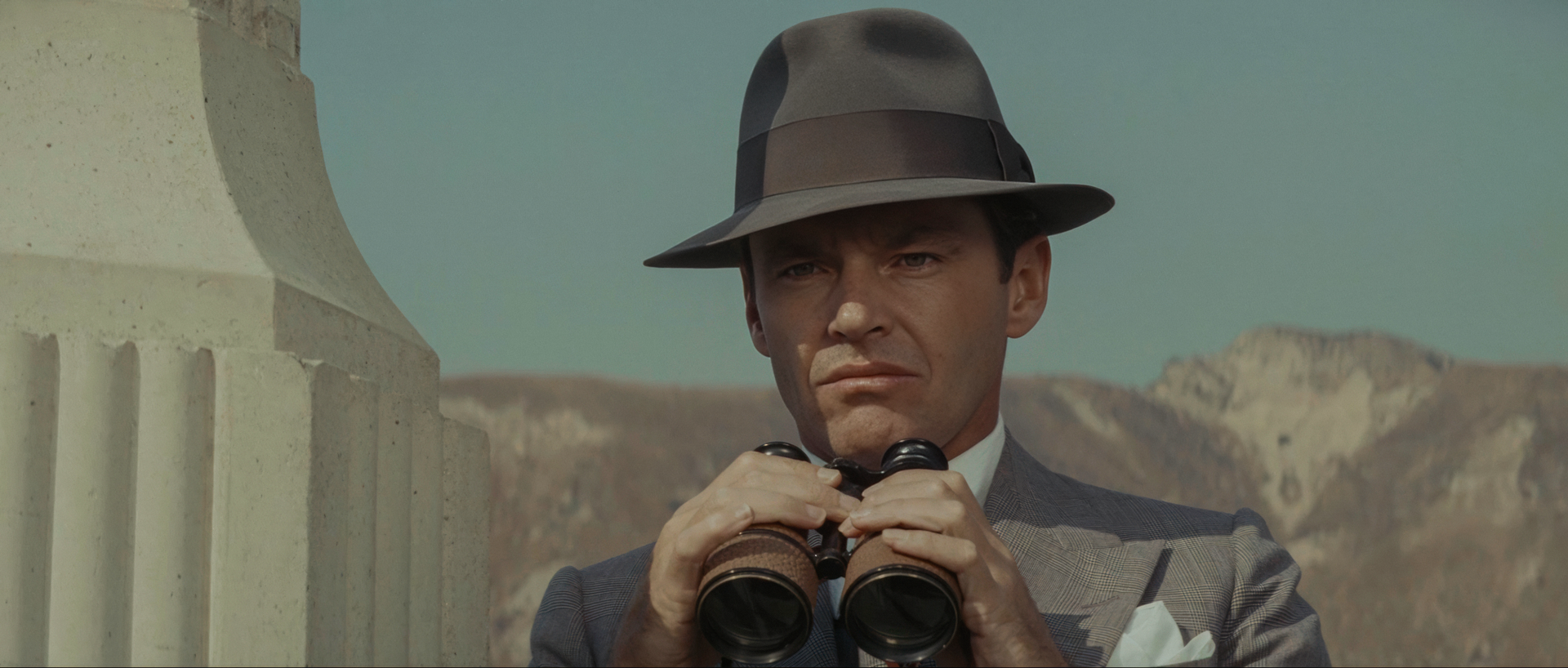
Book one — coming soon
Chinatown
Jack Nicholson, Robert Towne, and the screenplay most everyone calls perfect.

Book two — in development
No Country for Old Men
The Coens remove the protagonist off-screen while a third of the story still has to run.

Five essays — free
Angel Heart
Robert De Niro as Louis Cyphre, and a detective hired to find a missing man who is himself.
The first book
The First Deep SHT Book: Chinatown
One film per book. Every title launches pay-what-you-want on Gumroad and in Kindle and paperback on Amazon. The free hub for each film stays free, while the book is where the full evidence lives.
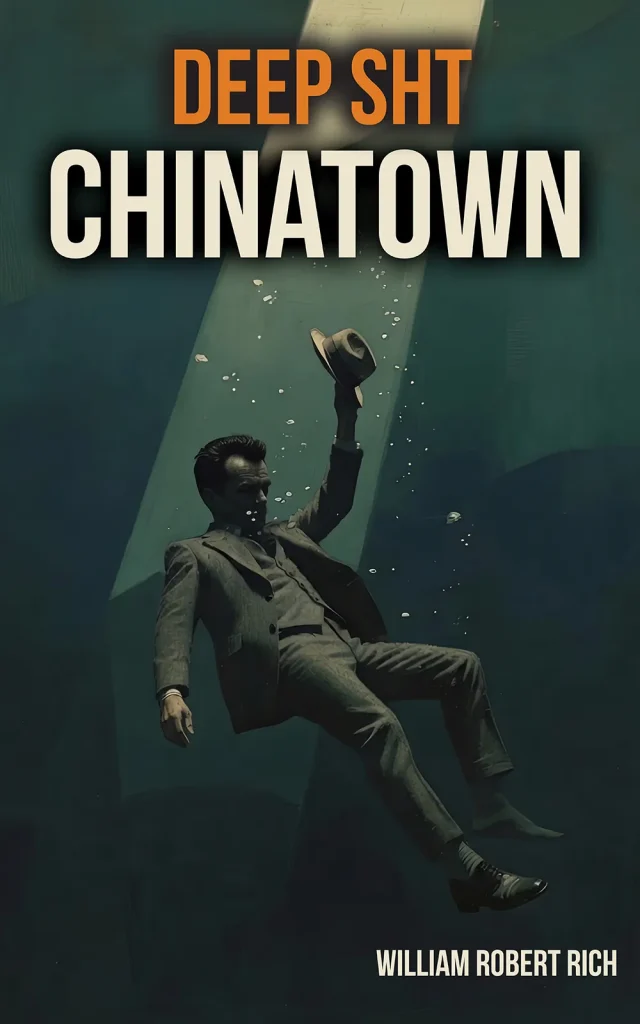
Book one — coming soon
Deep SHT: Chinatown
People call Robert Towne’s screenplay perfect so often the word has stopped meaning anything. This book takes the script apart to find out what the reputation is made of.
Inside book one
Point of view
The restricted point of view that turns the audience into an accomplice.
Setup and payoff
The setup-payoff lattice where a broke client in scene one becomes the escape plan in the final minutes.
The ending
The argument Towne and Polanski fought over: the ending itself.
What this is
Screenplay analysis books built on primary sources
Deep SHT is about a writer going as deep into one film as the evidence allows. Working through some of the best films ever made, I try to figure out what makes them work so well and why they’re revered. No template, no film-school theory. Just the movie, the script, and the question every working writer asks: how did they do that?
Most screenplay analysis books work backward from the finished film. Watch it, interpret it, publish the interpretation. That produces criticism — useful, but limited. Deep SHT works forward from the evidence: the screenplay drafts, the commentary tracks, the interviews with the people who made the decisions. Each book rebuilds one great film from primary sources and shows you the screenplay structure underneath the story.
Editorial standard
Primary Sources
Every book is built from the same four things: the screenplay drafts, the shooting script, the commentary tracks, and the film itself.
Quotation
Dialogue and timestamps come from the screenplay and the film.
Intent
What a filmmaker meant appears where a filmmaker said it. Where the record is silent, the book says so.
Attribution
Drafts, commentaries, and first-person interviews are primary. Everything else is marked as secondary.
No template, no beat sheet. The structure described in each book is the structure the film has.
What every book examines
Three Layers of Screenplay Structure
The framework is not a template from outside. It is pattern recognition built over fifteen years of sitting with the material and learning what the best writers and directors were doing. Every Deep SHT book examines the same three structural layers most analysis ignores.
Layer one
Value polarity architecture
Every scene moves a value from one state toward its opposite — trust to suspicion, safety to danger, ignorance to knowledge. Once you track those shifts across 120 pages, the story’s engine becomes visible. Deep SHT maps every one.
Layer two
Setup and payoff structure
Great screenplays plant and pay off on a rhythm designed to be invisible in the watching. Each book charts every plant and every payoff, with page and timestamp, so you can study the rhythm directly instead of feeling it and forgetting it.
Layer three
Thematic argument
The best films are not just about something — they argue something. Each book names the argument and traces how every structural choice serves it, with the filmmakers’ own documented words as the check on every claim.
Work forward from the evidence, not backward from the film.
The method behind every book in the series
Next in the series
More Deep SHT Dives
Book two is in development. Some films get the full treatment on the site with no book behind them; those series pages live here too.
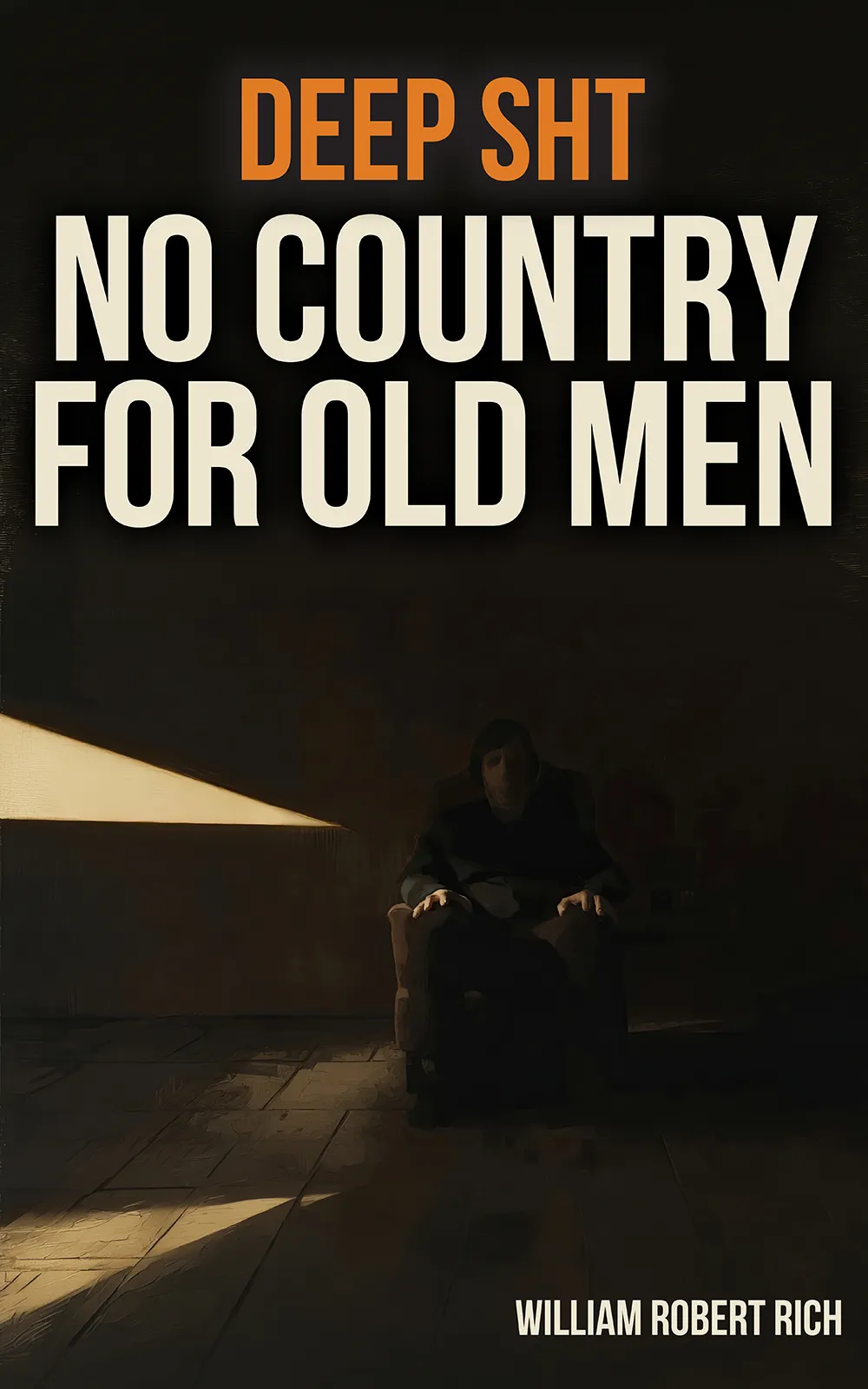
Book two — in development
Deep SHT: No Country for Old Men
The Coens described their adaptation as “really just compression.” This book tests that claim against the novel, the screenplay, and the finished film. Then it maps the most radical structural decision in modern American cinema: removing the protagonist off-screen while a third of the story still has to run.
On the site, not in print
Angel Heart: The Series Page
Not every film gets a book. Some get the same method spread across a series of essays on the site instead, free, with a series page that ties them together. Angel Heart is the first.
Series page — five essays, free
Angel Heart (1987)
A detective is hired to find a missing man, and the missing man is himself. Alan Parker’s film gets five essays instead of a book: the complete analysis and beat sheet, the twist and the foreshadowing that makes it feel inevitable, Louis Cyphre in four scenes, Epiphany Proudfoot, and how Hjortsberg’s Falling Angel became Angel Heart. All of it built from Parker’s commentary, his interviews, and the finished film, then read on one page as five clauses of a single contract.
Before you ask
Questions About the Series
The books
What is a Deep SHT book?
One film, taken apart across a full book — rebuilt from the drafts, the commentary tracks, and the interviews, then mapped across the three structural layers above.
Which titles are coming?
Chinatown is book one and is coming soon. No Country for Old Men is book two and is in development. Ship dates go to the launch list first.
Is every film in the series a book?
No. Angel Heart has a series page and five essays on the site, with no book planned. The method is the same; the format is the site rather than print.
What does a book cost?
Whatever you decide. Every title launches pay-what-you-want on Gumroad, with Kindle and paperback editions on Amazon for readers who prefer to buy there.
The method
How does the method differ from other screenplay analysis?
It starts at the paper trail rather than the finished film, so you can see which claims rest on a draft or a filmmaker’s own words.
Do the books use a beat sheet?
No. Scenes are never sorted into someone else’s template. The structure described is the structure the film has.
The launch list
Be There When the First Book Ships
Deep SHT subscribers get each title the day it launches, at whatever price they choose. No spam, no course funnels — one email when a book ships, and the occasional piece of analysis worth your time.


