Anton Chigurh

Anton Chigurh Explained: His Motive, His Code, Why He Kills

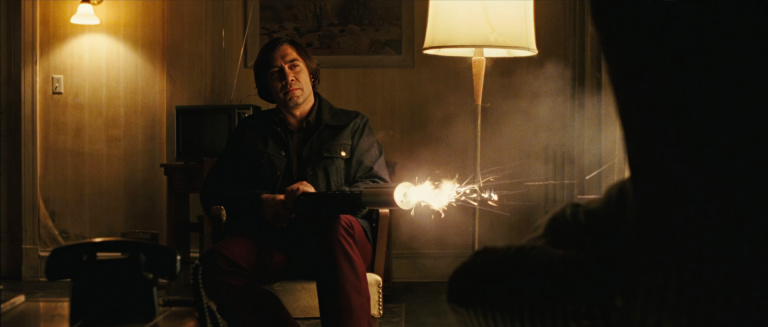
Anton Chigurh firing the bolt gun in No Country for Old Men

Most people who encounter Anton Chigurh for the first time reach for the same word: chaos. It's the wrong word — and what he actually represents is considerably worse. When a peer-reviewed forensic psychiatry study surveyed 400 films for clinically realistic psychopaths, Chigurh is the character it singled out — and compared to a real Mafia contract killer. His haircut came from a 1960s border brothel photograph. His bolt gun was custom-built in two versions. His coin toss traces back to Cormac McCarthy's years embedded with physicists at the Santa Fe Institute. None of it was accidental. This is a breakdown of every craft decision that made him unforgettable.

Learn MoreAnton Chigurh Explained: His Motive, His Code, Why He Kills

No Country for Old Men Ending Explained: The Coin, the Dream, and Why It All Matters

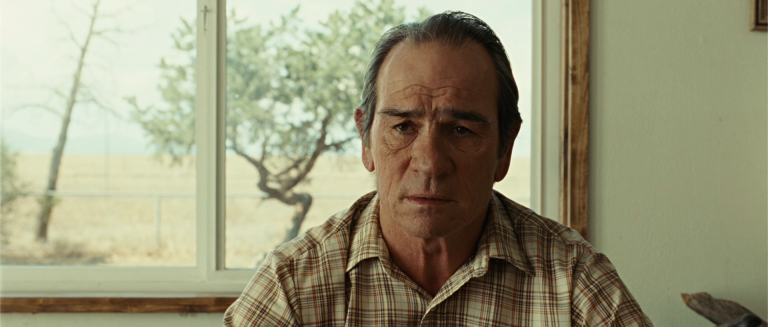
Sheriff Ed Tom Bell in the final scene of No Country for Old Men, explained — Tommy Lee Jones delivering the breakfast-table monologue

This No Country for Old Men ending explained breakdown works through every piece of the Coens' refusal of catharsis: why Carla Jean's coin toss refusal changes the novel in the most important way, what Chigurh's car accident undoes about his worldview, why the boot-check on Carla Jean's porch proves she's dead, what Moss never understood at the Rio Grande bridge, why Bell's fire-in-the-horn dream was never visualized, and why the film refuses to tell us who killed Llewelyn at the Desert Sands. The ending isn't a puzzle with a solution — it's a set of questions the film requires you to answer yourself.
Learn MoreNo Country for Old Men Ending Explained: The Coin, the Dream, and Why It All Matters