Save the Cat

The Godfather Part II Ending Explained: Vito Rises, Michael Falls

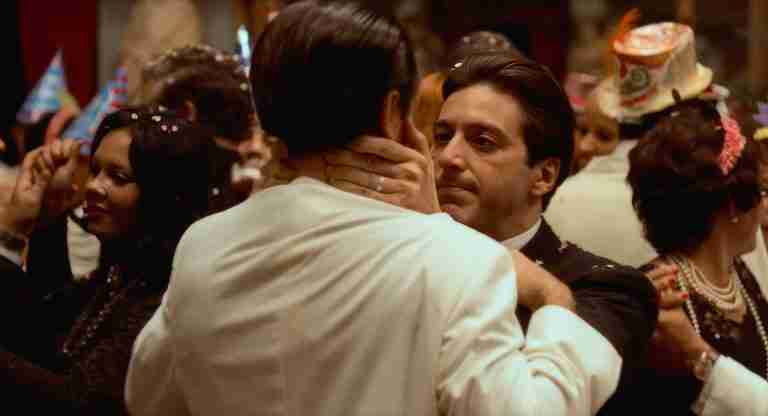
The Godfather Part II analysis: Michael Corleone gives Fredo the kiss of death in Havana.

This analysis deconstructs the structural genius of Francis Ford Coppola's sequel through the lens of a "Rhyming Beat" system. We explore how the parallel timelines of Vito’s rise and Michael’s descent create a masterclass in tragic irony and narrative symmetry. Dive into the three catastrophic sacrifices that transform Michael Corleone from an idealistic Marine into a hollow, isolated king.

Learn MoreThe Godfather Part II Ending Explained: Vito Rises, Michael Falls

Unforgiven Analysis: Deserve’s Got Nothing to Do with It

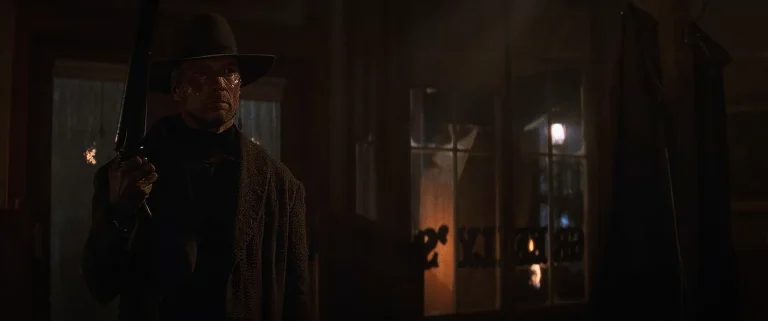
Clint Eastwood as William Munny holding a shotgun inside Greely's saloon at night in Unforgiven (1992)

This Unforgiven analysis dismantles the Western myth with verified timestamps and dialogue: William Munny's return to violence, Little Bill's cruelty as administrative policy, and the silent drink that ends ten years of sobriety. Mirror characters, an off-screen wife, and the story's least guilty victim prove killing is theft, not catharsis. The ending grants closure while refusing to grant peace.

Learn MoreUnforgiven Analysis: Deserve’s Got Nothing to Do with It

Citizen Kane Analysis: Rosebud

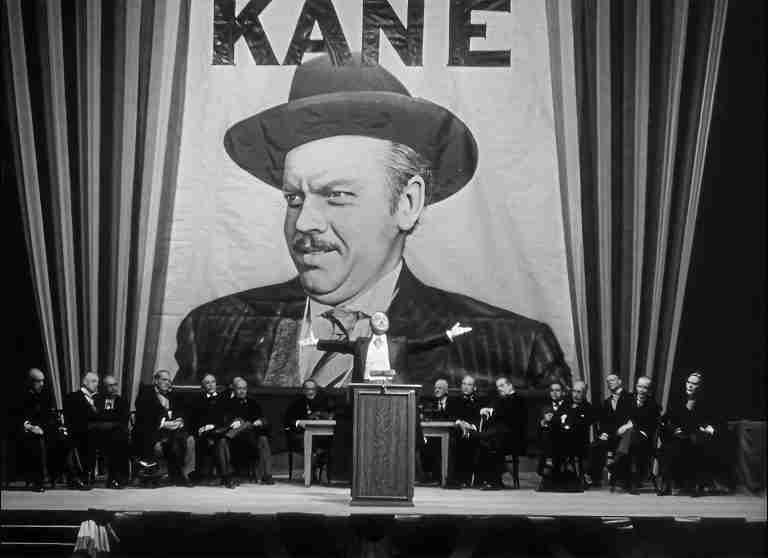
Charles Foster Kane on massive campaign banner during rally in Citizen Kane, symbolizing his peak power and cult of personality

This Citizen Kane analysis uncovers how Orson Welles and Herman J. Mankiewicz used fragmented flashbacks and the symbolic "Rosebud" sled to explore the subjectivity of truth, lost innocence, and the corrupting power of wealth. Through character arcs and Save the Cat beat-sheet breakdown, the article reveals why the script remains a masterclass in non-linear storytelling and tragic hubris. (98 words)

Learn MoreCitizen Kane Analysis: Rosebud

Gladiator Beat Sheet: What We Do in Life Echoes in Eternity

Maximus yelling "Are you not entertained" in the Zucchabar arena for the Gladiator beat sheet – A structural audit of the Act II-A Provinces Silo.

In Ridley Scott's Gladiator, a loyal general is betrayed and enslaved, forcing a brutal rebirth in the arena. The film's primary structural challenge lies in bridging Maximus' high-status identity to rock-bottom powerlessness without losing audience investment. This Gladiator Save the Cat beat sheet reveals how the Midpoint shifts survival into deliberate vengeance, culminating in a sacrificial act that restores Rome's dream. Read more to master the descent-ascent arc.

Learn MoreGladiator Beat Sheet: What We Do in Life Echoes in Eternity

Inception Beat Sheet: An Idea Is Like a Virus

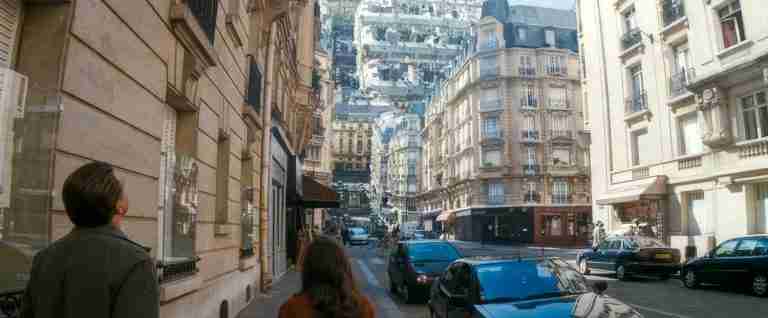
Inception beat sheet featured image: Cobb and Ariadne looking up at the impossible folding Paris street in Christopher Nolan's Inception (2010), symbolizing dream layers and story structure

Christopher Nolan’s Inception is a structural masterpiece: a high-stakes heist unfolds across five nested dream levels while Cobb battles the projection of his dead wife, Mal—the living embodiment of his guilt. This tactical Save the Cat! breakdown reveals how the Limbo confession becomes the emotional fulcrum that holds the entire monolith together. Master the layered architecture and ambiguous ending that redefined high-concept screenwriting. Read more to unlock the full beat sheet.

Learn MoreInception Beat Sheet: An Idea Is Like a Virus

Ghostbusters Analysis: We Came, We Saw, We Kicked Its Ass!

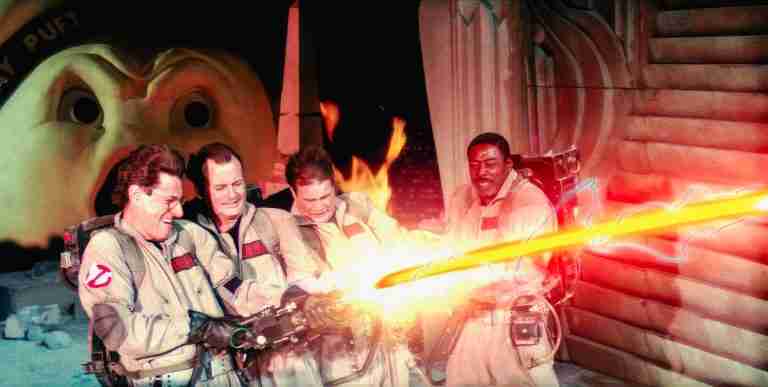
Ghostbusters analysis – the team crossing the streams in the iconic finale against Gozer

Ghostbusters analysis delves into the film's thematic core, exploring how private innovation triumphs over institutional rigidity while ancient supernatural forces clash with modern society. Through character arcs like Venkman's shift from cynicism to heroism and structural lenses such as the Save the Cat beat sheet, the article reveals the narrative's enduring lessons on teamwork and satirical commentary. Discover why this 1984 classic remains a blueprint for genre-blending screenwriting.

Learn MoreGhostbusters Analysis: We Came, We Saw, We Kicked Its Ass!

Annie Hall analysis: The Postmodern “We Need the Eggs” Trap

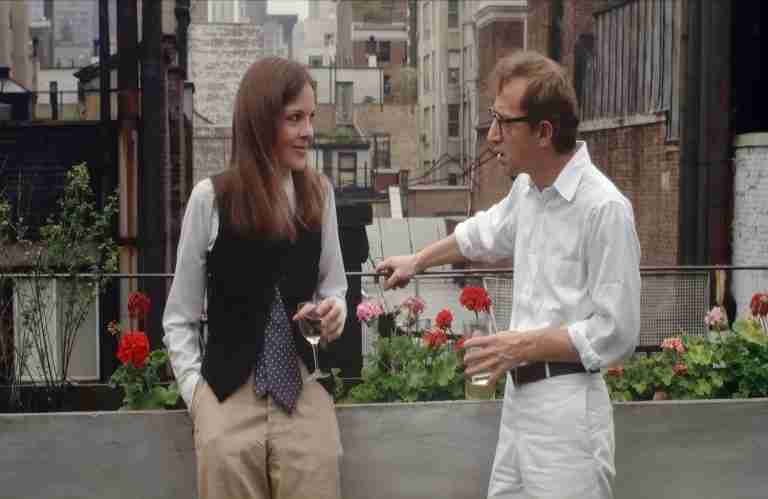
Annie Hall rooftop balcony Woody Allen Diane Keaton Alvy Singer asks "What are you doing Saturday night?" drinks New York skyline 1977 film scene

Annie Hall analysis delves into Woody Allen’s revolutionary 1977 masterpiece, dissecting the irrationality of modern romance through Alvy Singer’s neurotic lens and Annie’s journey toward independence. The article examines how non-linear memory, cultural incompatibility, and self-sabotaging intellect drive the relationship’s inevitable collapse—yet affirm love’s absurd necessity. This deep structural and thematic breakdown offers essential lessons for screenwriters crafting authentic, introspective character-driven stories.

Learn MoreAnnie Hall analysis: The Postmodern “We Need the Eggs” Trap