
Diving Into Mickey 17 Analysis: A Blueprint for Aspiring Writers
In this Mickey 17 analysis, we dissect Bong Joon-ho’s sci-fi black comedy, exploring how it masterfully blends existential dread with satirical punches. For aspiring screenwriters, the film’s challenge lies in crafting clones that feel uniquely human while critiquing corporate greed—demanding precise character differentiation and thematic layering to avoid clichés. Moreover, the narrative’s rapid shifts between humor and horror offer lessons in pacing, ensuring every death and rebirth serves the story’s core questions about identity and exploitation.
Mastering Tension and Conflict in Mickey 17
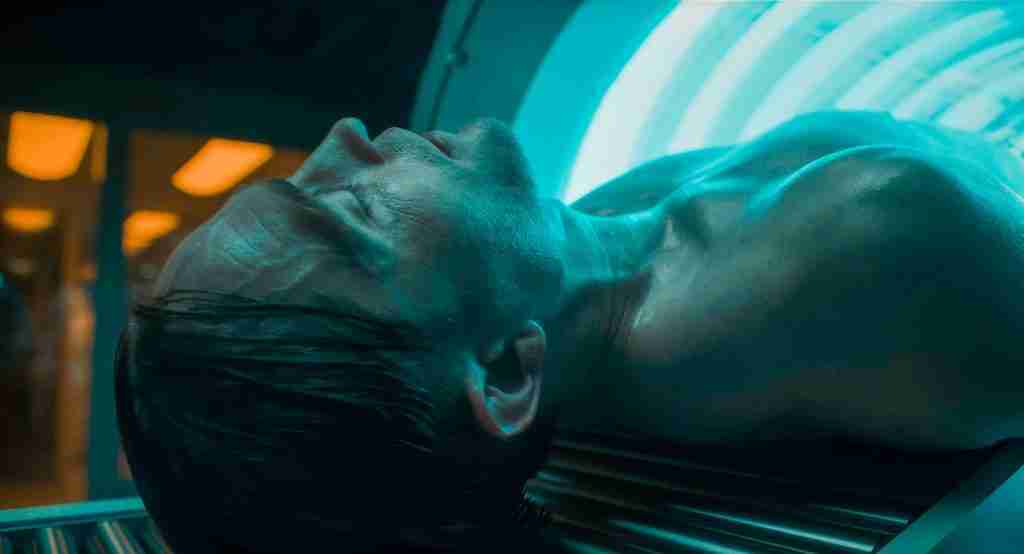
Bong Joon-ho excels at escalating stakes through personal and societal clashes, making Mickey 17 a study in relentless pressure. This Mickey 17 analysis highlights how conflicts arise from internal duplicates, external threats, and systemic injustices, keeping viewers on edge.
The Expendable’s Perilous Existence
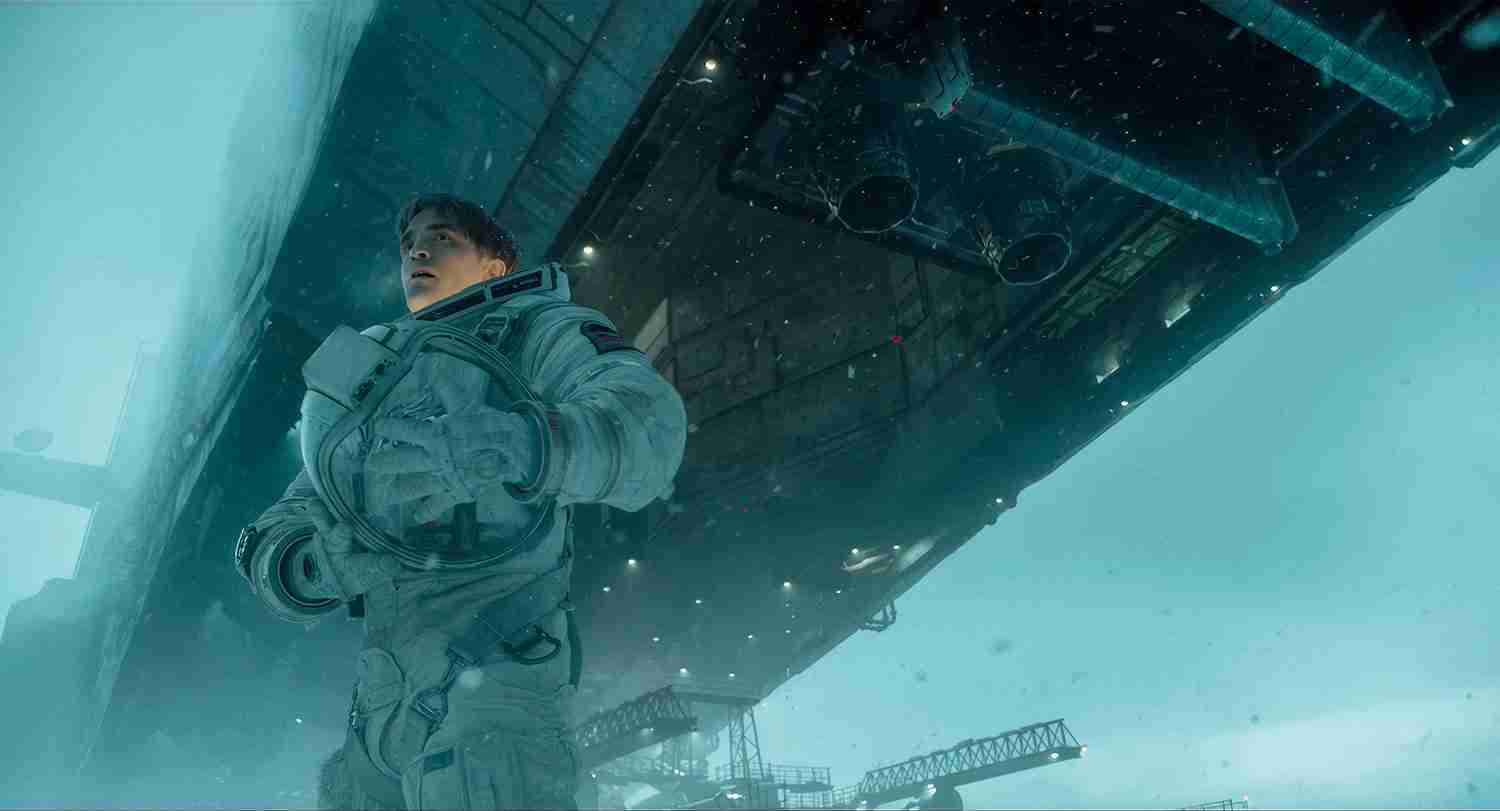
From the outset, Mickey Barnes grapples with his disposable role, as seen when he joins the Niflheim expedition to escape loan shark Darius Blank (11m). Tension builds as he faces repeated deaths, culminating in the catalyst where Mickey 17 falls into a fissure and Timo abandons him (32m). Consequently, this abandonment underscores the fragility of trust in a profit-driven colony.
Duplicity Among Clones
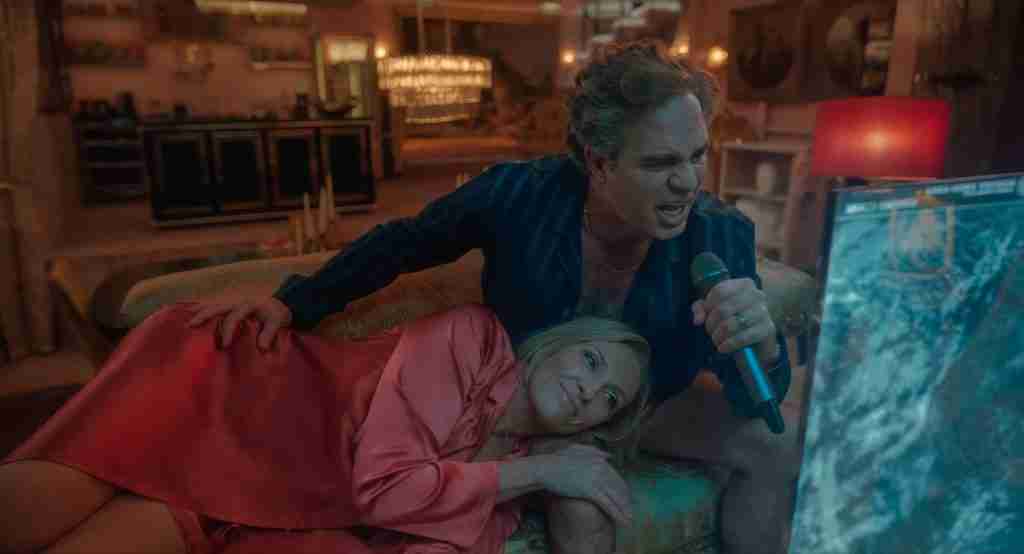
The arrival of Mickey 18 introduces clonal rivalry, forcing the duo to negotiate a “Multiple” pact (45m). Conflict intensifies during the midpoint dinner with Marshall, where Mickey 17 endures experimental meat (52m), and peaks when Nasha discovers both Mickeys (1h11m). Thus, their shared life becomes a high-wire act of deception and survival.
Confrontations with the Unknown
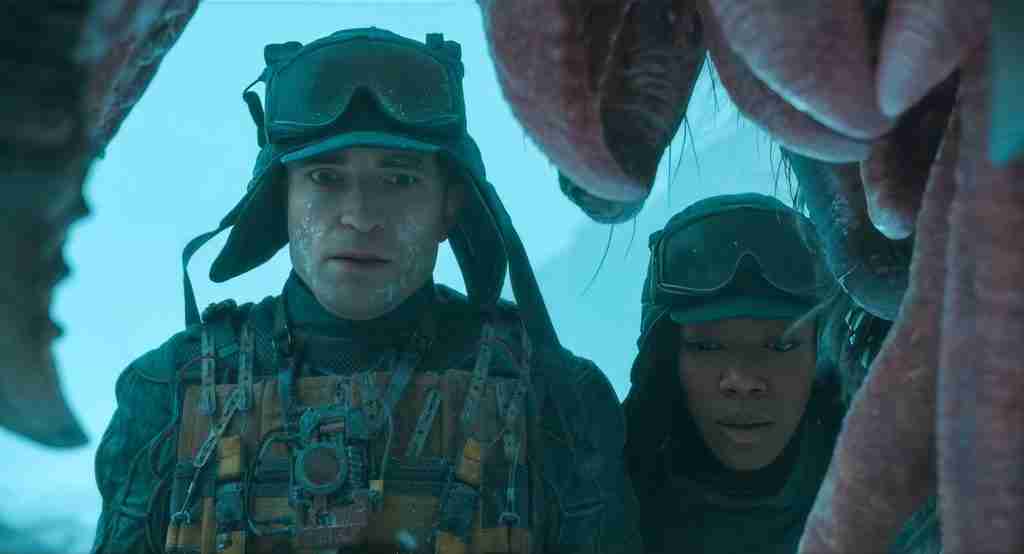
Encounters with the “Creepers” amplify dread, starting with Mickey 17’s ice cave meeting (34m). All is lost when baby Creepers emerge at the “Purity Rock” ceremony (1h18m), leading to arrests and a demand for sacrifice (1h46m). As a result, these alien interactions force humans to confront their invasive role, blending horror with moral reckoning.
Key Themes in Mickey 17: Exploitation, Identity, and Invasion
This Mickey 17 analysis delves into the film’s profound themes, drawn from its satirical lens on humanity’s flaws. Themes like labor exploitation and colonialism weave through the plot, challenging viewers to question societal norms.
The Dehumanizing Grind of Capitalism
Central to the story is the ethics of labor exploitation, portraying Mickey as “Spam”—recycled for profit (1h35m). Marshall’s autocratic absurdity, with obsessions like “sauce” as civilization’s test (55m), highlights cycles of violence tied to debt and disposability (1h23m). Additionally, this critiques how systems treat workers as expendable, echoing real-world corporate greed.
Redefining Self in a Cloned World
Identity and the soul emerge through debates on whether clones are mere “meat matrices” (60m). Nasha’s line, “You call them aliens. We’re the aliens, dumbass” (1h36m), shifts perspectives on xenophobia and sentience. Therefore, the “fair trade” of lives for peace (1h50m) underscores the price of survival, probing what makes one truly human.
Meet the Cast: What Each Character Teaches Us About Screenwriting
| Character | Character Arc | Screenwriting Lesson |
|---|---|---|
| Mickey 17 (Robert Pattinson) | From a man fleeing responsibility to a diplomat for two species. | Agency is found in refusing to be a “part” of a machine—teach writers to evolve protagonists through moral choices amid chaos. |
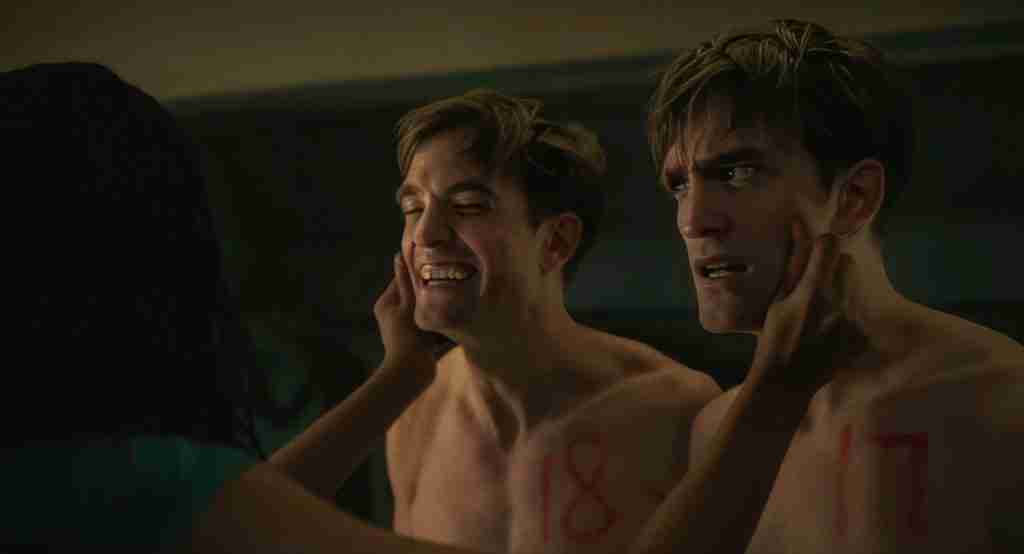
| Mickey 18 (Robert Pattinson) | Starts as an aggressive intruder, ends as a self-sacrificing hero. | Individuality is defined by what we are willing to die for—illustrates crafting dual roles with distinct voices for depth. |
| Nasha Barridge (Naomi Ackie) | From a loyal security agent to the leader of a colony revolution. | Compassion for the “expendable” is the spark of leadership—shows how supporting characters can drive plot twists via empathy. |
| Kenneth Marshall (Mark Ruffalo) | A failed politician seeking godhood, consumed by his own bombast. | Villains are often fueled by the fear of their own insignificance—emphasizes building antagonists with relatable insecurities for nuance. |
| Timo (Steven Yeun) | A survivor who betrays his friend for fuel and debt relief. | Cowardice is the default state of the complicit—guides creating flawed allies whose arcs reveal systemic pressures. |
| Mama Creeper (voiced by Anna Mouglalis) | Initially a “monster,” revealed as a sentient protector of her young. | Perspective dictates who the “alien” truly is—teaches subverting tropes to humanize “others” for thematic impact. |
| Ylfa Marshall (Toni Collette) | A “devious and controlling” partner who fuels Marshall’s madness. | Power is often maintained through the manipulation of a stronger ego—highlights crafting enablers who amplify villainy subtly. |
| Kai Katz (Anamaria Vartolomei) | From a cold specimen to a person struggling with grief and ethics. | Recognition of another’s humanity is the first step toward morality—demonstrates layering minor characters with internal conflicts. |
Unpacking Plot Details and Fascinating Facts in Mickey 17
This section of our Mickey 17 breakdown reveals the story’s intricacies and production secrets, offering insights for writers on adapting novels into screenplays.
Plot Summary
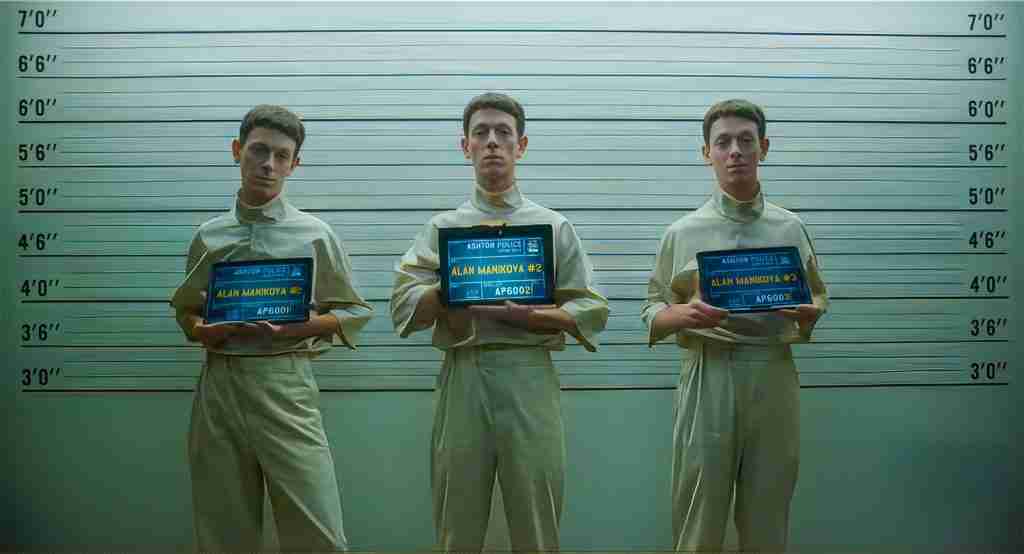
In 2050, Mickey Barnes flees Earth with Timo, joining the Niflheim colonization as an “Expendable” cloned upon death (14m). Romance blooms with Nasha (19m), but peril strikes when Mickey 17 survives a fissure fall and Creepers (34m-37m), only to find Mickey 18 printed (38m). They pact to share life (45m), facing betrayals like Timo’s fuel scheme (48m) and Marshall’s “Purple Joe” torture (58m). Exposure at the ceremony (1h18m) leads to brig betrayal (1h25m) and memory deletion (1:32m). In the climax, Mickey 17 negotiates with Mama Creeper (1h42m), Nasha revolts (1h52m), and Mickey 18 sacrifices to kill Marshall (1:58m). Resolution abolishes the program (2h0m), with Mickey destroying the printer (2h08m).
Behind-the-Scenes Insights
Adapted from Edward Ashton’s 2022 novel Mickey7, Bong Joon-ho’s screenplay simplifies Mickey’s personality and renames elements after football players—like “Timo” meaning “conman” in German. Pattinson improvised aggressive lines for Mickey 18, drawing from Jim Carrey for humor, while Bong storyboarded sequences and held final cut. Filming occurred in 2022 at Warner Bros. Studios, Leavesden, with Creepers designed by Bong and Jang Hee-chul.
Save the Cat Beat Sheet: Mickey 17 Structure
Mickey 17’s pacing masterfully compresses existential sci-fi into a taut two-hour ride, blending beats with dark humor for unrelenting momentum. This Mickey 17 analysis breaks it down by acts—treating Act II as two halves (Act II-A for the “promise” and exploration, Act II-B for rising consequences and collapse)—revealing Bong’s structural precision.
ACT I
The setup establishes Mickey’s world of debt and disposability, drawing viewers into the colony’s harsh realities. Viewers meet the Expendable system and key players before the inciting incident disrupts everything.
| Sequence | Beat (Save the Cat!) | Key Event / Description |
|---|---|---|
| Act I | Opening Image | Mickey running from loan shark collectors on a rainy Earth (11m). |
| Theme Stated | Timo asks, “What’s it feel like to die?” highlighting the core existential dread (3m). | |
| Set-up | Explaining the “Expendable” system and the voyage to Niflheim (14m-25m). | |
| Catalyst | Mickey falls into the fissure and is abandoned by Timo (32m). | |
| Debate | Mickey 17 returns to find Mickey 18; they must decide if they can coexist (38m-44m). |
ACT II-A
Act II-A delivers the “promise of the premise” as Mickey explores the new world of cloning and colony life. It builds fun, tension, and duality before the major shift at the Midpoint, where Marshall’s cruelty is fully revealed.
| Sequence | Beat (Save the Cat!) | Key Event / Description |
|---|---|---|
| Act II-A | Break into Two | The Mickeys agree to “half” their work and rations to survive as Multiples (45m). |
| B-Story | Nasha Barridge becomes the emotional anchor and protector of both Mickeys (1h07m). | |
| Fun and Games | Managing dual lives and the high-stakes dinner with the egomaniacal Marshall (52m). | |
| Midpoint | The “Purple Joe” test; Marshall’s cruelty is fully revealed as he tortures 17 (58m). |
ACT II-B
Act II-B tightens the screws as consequences close in, secrets unravel, and the hero reaches rock bottom. The tone darkens, stakes rise, and the story hurtles toward the final act.
| Sequence | Beat (Save the Cat!) | Key Event / Description |
|---|---|---|
| Act II-B | Bad Guys Close In | Kai discovers the secret; Marshall prepares “Total Extermination” for the Creepers (1h9m). |
| All Is Lost | The public exposure of the Multiples at the rock ceremony (1h18m). | |
| Dark Night of the Soul | Facing execution and permanent erasure in the colony brig (1h32m). |
ACT III
Resolution surges with desperate alliances and sacrifices, wrapping the satire in cathartic justice. The finale redefines survival, ending the cycle of exploitation.
| Sequence | Beat (Save the Cat!) | Key Event / Description |
|---|---|---|
| Act III | Break into Three | Entering the ice desert for the tail-cutting trial with bomb vests (1h41m). |
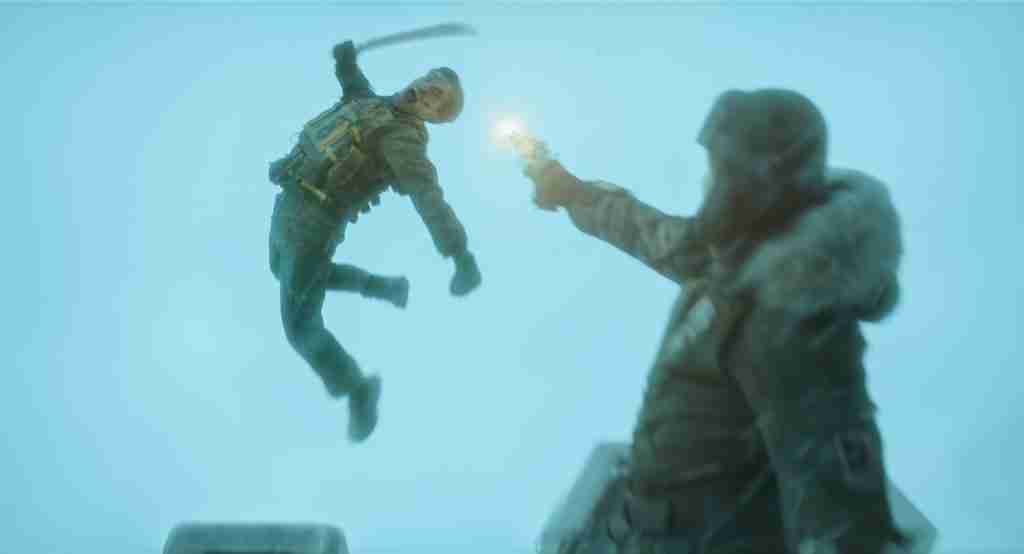
| Finale | Mickey 17 negotiates peace; Mickey 18 sacrifices himself to kill the tyrant Marshall (1h58m). | |
| Final Image | Mickey Barnes (no longer 17) destroys the printer to start a real life (2h08m). |
Conclusion: Why Mickey 17 Matters for Screenwriters
Wrapping this Mickey 17 analysis, the film endures as a masterclass in blending genres, proving sci-fi can critique society without sacrificing entertainment. Its lessons empower writers to tackle complex ideas boldly.
Key Strengths and Lessons
Bong’s script shines in satirical depth, with quotes like “First we survive! Then we thrive! Then we go forth and multiply!” (22m) exposing authoritarian folly. Strengths include seamless clone dynamics and thematic integration, teaching how to humanize sci-fi elements. However, it warns against over-relying on twists—balance is key for emotional payoff.
Practical Applications
Apply these by outlining clone-like character arcs in your scripts to explore identity. For instance, use timestamps as beat guides to ensure pacing. Finally, incorporate dark humor in revisions, as in Mickey’s line: “I always feel scared. It’s terrible, dying. I hate it” (1h3m), to ground high concepts.