Screenplay Analysis

This archive offers in-depth dissections of influential and award-winning film scripts. Go beyond the plot and learn the core structural choices, character motivation, and thematic complexity used by master storytellers to create compelling cinema. Analyze how great movies truly work to elevate your own writing craft.

Crimson Tide (1995): Two Right Men — Story and Character Analysis

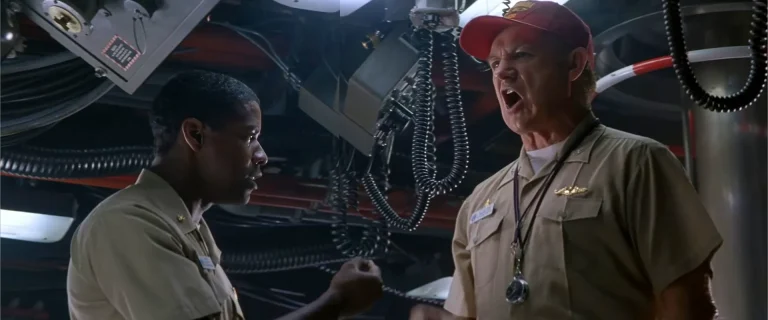
Gene Hackman as Captain Ramsey in a red cap shouts at Denzel Washington as Lieutenant Commander Hunter in the submarine control room in Crimson Tide (1995).

Crimson Tide has no villain — it has two officers holding valid readings of the same rulebook. This analysis works from the film's dialogue as primary text: how one unreadable message builds two mutinies, why the two-man rule replays at every rank from the captain's key down to a petty officer's radio, and how the ending gets settled through two lines about horses.

Learn MoreCrimson Tide (1995): Two Right Men — Story and Character Analysis

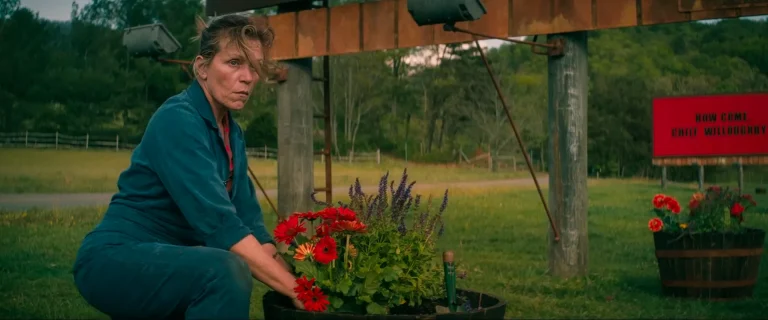
Three Billboards Outside Ebbing, Missouri: The Architecture of Hope and Vigilantism

Mildred Hayes tends red flowers at the base of her billboards in Three Billboards Outside Ebbing, Missouri

Martin McDonagh has repeatedly told interviewers Three Billboards Outside Ebbing, Missouri is not a film about vigilantism. The screenplay he wrote disagrees. This Three Billboards analysis traces the architecture of the film's open ending — from the violent households that produced Mildred and Dixon, through the Willoughby letters that reroute revenge into grace, to the shotgun in the trunk that travels with Dixon's intent across the road trip's final scene. The evidence on both sides is laid out. Whether what these two find in each other is hope or shared self-destruction is the question the film leaves you with.

Learn MoreThree Billboards Outside Ebbing, Missouri: The Architecture of Hope and Vigilantism