
Deconstructing The Fisher King’s Mythic Redemption in a Cynical World
Terry Gilliam’s 1991 masterpiece The Fisher King is a profound exploration of trauma and transcendence. Moreover, it weaves a contemporary Manhattan landscape with the mythic threads of Arthurian legend. At its core, Richard LaGravenese’s screenplay functions as a sophisticated redemption arc that masterfully utilizes the “Buddy Love” and “Golden Fleece” structural tropes. Furthermore, by anchoring the narrative in the Save the Cat! framework, the film transforms Jack Lucas’s internal paralysis into an external, high-stakes quest for a physical Grail. As a result, this structural choice engulfs the audience in a dual journey where the protagonist must navigate the fractured reality of a holy fool to mend his own fractured soul.
Note: The 15 Beats are presented in Save the Cat!’s structural order. The Minute Markers (m.) reflect the scene’s actual chronological placement within the film’s runtime and may appear out of sequence, demonstrating the flexibility and subjectivity of narrative structure.

Act I: The Fall and the Spark of Salvation
A self-absorbed shock-jock falls from grace into a gutter of guilt, only to find his redemption tied to a visionary “fool” whose life he unwittingly destroyed.
The Toxic Empire and the First Cracks
| Beat # | Beat Name | Time (m.) | Key Event / Description |
|---|---|---|---|
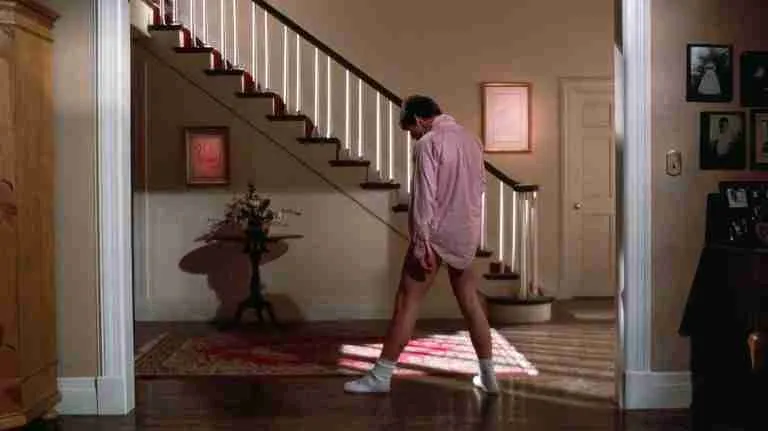
| 1 | Opening Image | m. 1 | Ray Charles’ “Hit the Road, Jack” detonates over New York’s radio waves as shock-jock Jack Lucas shreds callers with gleeful misogyny, his sycophantic staff roaring approval in a penthouse of pure ego. Meanwhile, the camera lingers on his reflection—vain, untouchable, a king of cruelty. Therefore, this opening image engulfs us in Jack’s toxic empire, forging the baseline of self-absorption that every later beat will systematically dismantle. |
| 2 | Theme Stated | m. 6 | Alone in his marble bathtub, Jack stares into a hand mirror and repeats “forgive me… forgive me…” like a broken mantra. This is the theme stated: forgiveness. It plants the story’s heartbeat long before Jack knows why he needs it—moments earlier, his vicious on-air rant goaded a troubled caller into a mass shooting that killed seven people, including Parry’s wife. Structurally, this seeds the entire redemption arc: Jack will spend the film earning the absolution he’s already mouthing in isolation. |
| 3 | Set-Up | m. 10-18 | Three years later, a shattered Jack slaves at girlfriend Anne’s video store and watches the movie he was supposed to star in. Meanwhile, he ties cinder blocks to his ankles by the East River while a Pinocchio doll becomes his only confidant. As a result, this set-up corrodes Jack’s former glory into pathetic isolation, stacking every external and internal stake so the coming collision with Parry feels like divine intervention. |
The Catalyst and the Call to Quest
| Beat # | Beat Name | Time (m.) | Key Event / Description |
|---|---|---|---|
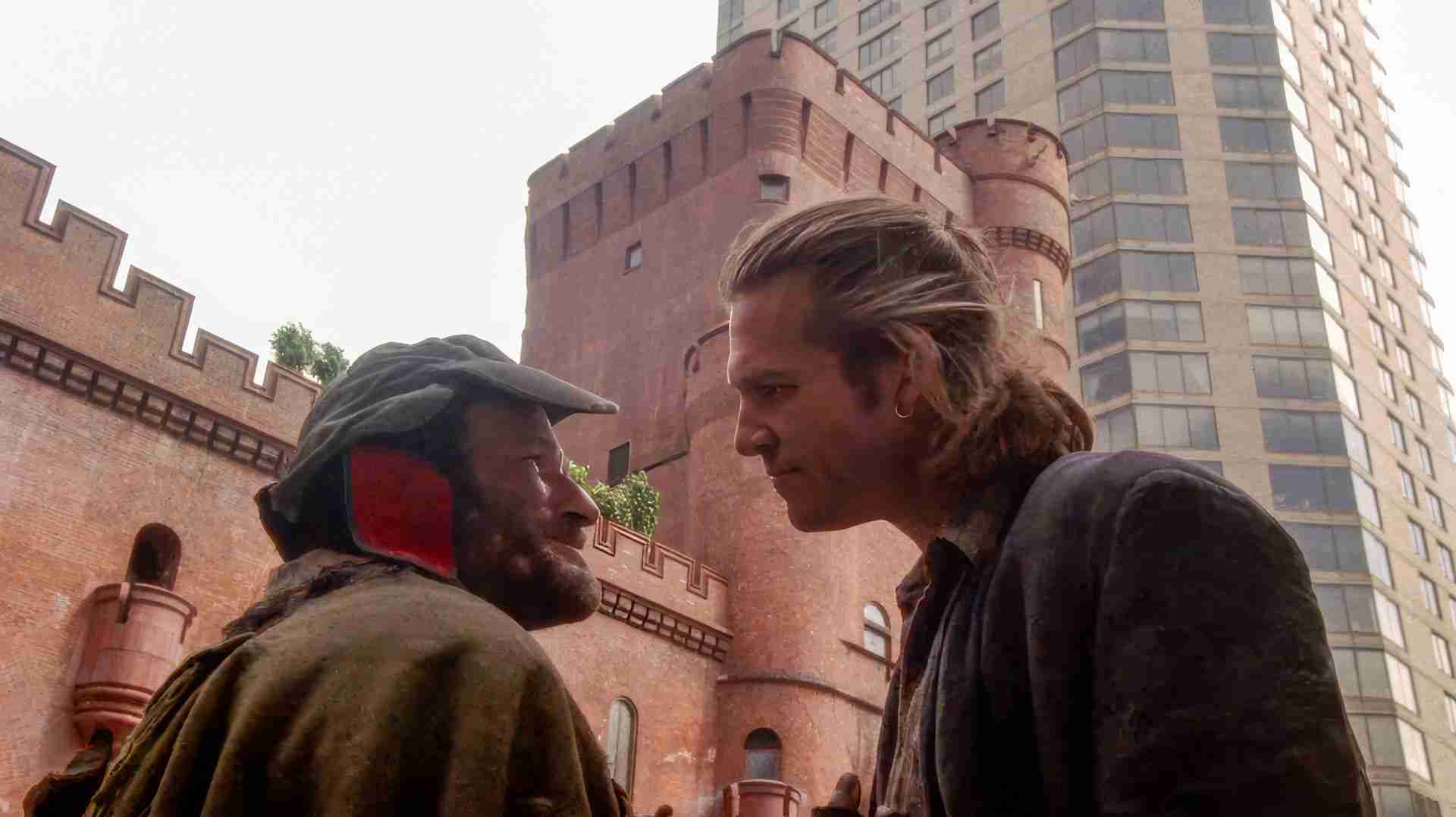
| 4 | Catalyst | m. 20 | Juvenile delinquents beat Jack senseless and drench him in gasoline, flames inches from his face—until Parry explodes from the shadows like a wild avenging angel. Furthermore, he routes the thugs with song, dance, and pure street madness. Thus, this catalyst shatters Jack’s suicide and yanks him into Parry’s orbit, the exact moment his self-inflicted hell becomes someone else’s salvation. |
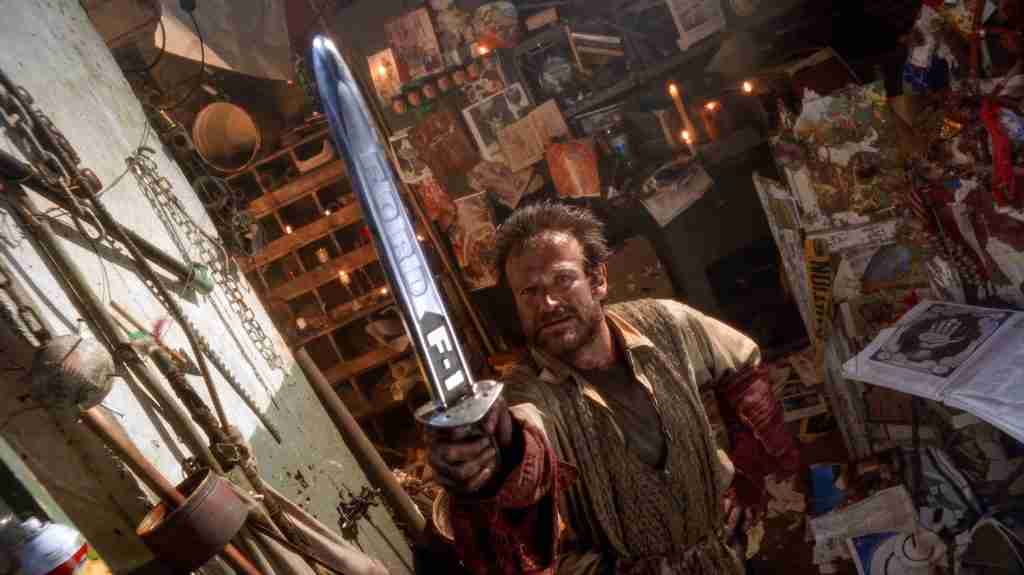
| 5 | Debate | m. 24-30 | In Parry’s boiler-room sanctuary, the delusional knight reveals his Grail quest and begs Jack’s help. However, Jack flees—only for the landlord to drop the bomb: Parry’s wife was slaughtered by the caller Jack goaded. Consequently, this debate forces Jack to weigh self-preservation against cosmic obligation, the precise instant denial dies and duty is born. |
| 6 | Break into Two | m. 30 | The landlord’s revelation lands like a gut punch. Yet Jack stands frozen as the full horror of his radio rant’s body count crashes down. Instead of running, he stays. Therefore, this break into two catapults Jack from passive wreckage into the active role of Parry’s redeemer—Act Two’s engine fully ignited. |
Act II-A: The Quest Ignites
A fallen king and a holy fool traverse the concrete canyons of Manhattan, seeking a mythical cup to quench a spiritual thirst.
| Beat # | Beat Name | Time (m.) | Key Event / Description |
|---|---|---|---|
| 7 | B Story | m. 31-37 | Anne’s fierce, earthy love becomes Jack’s emotional lifeline. Meanwhile, Parry’s tragic backstory—Columbia professor turned broken knight—unfurls through ripped photographs and landlord tales. As a result, this b story weaves Anne’s grounded grace and Parry’s mythic wound into the theme, giving Jack the two relationships that will ultimately save him. |
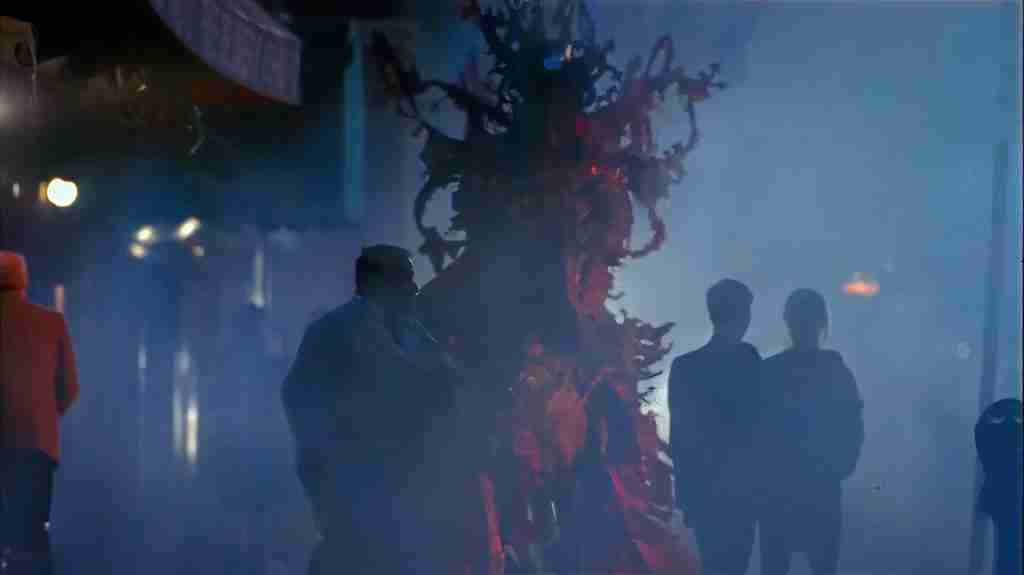
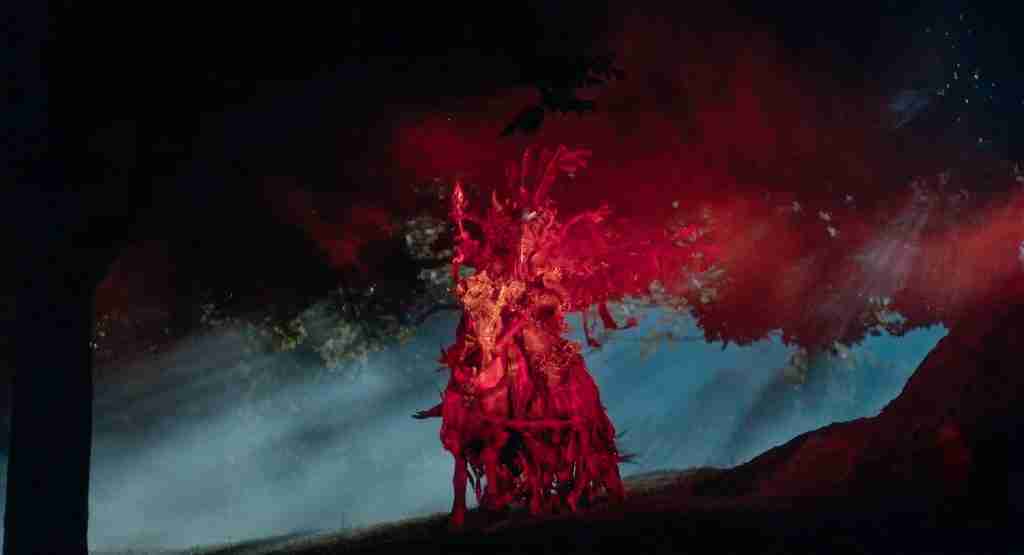
| 8 | The Containment Effort | m. 40-64 | Jack chases Parry through Park Avenue and scopes Carmichael’s fortress. Meanwhile, he survives Red Knight hallucinations in Central Park, rescues a suicidal gay bum, and lies naked beside Parry as the Fisher King legend is told beneath the stars. Consequently, in this the containment effort, Jack’s frantic attempts to manage Parry’s delusions while inching toward the Grail and Lydia become the perfect mirror for his own gradual unraveling. |
| 9 | Midpoint | m. 65 | Jack delivers a rousing speech about how a woman’s love gives a knight superpowers. However, Parry calls out his lie about Anne with a Pinocchio nose gesture. Thus, the energy flips—Jack is now invested. Therefore, this midpoint raises the stakes from reluctant duty to genuine emotional investment, the exact second the story stops being about saving Parry and starts being about saving Jack through friendship. |
/im
Act II-B: The Shadows Close In
Triumph curdles into terror as every kindness summons the Red Knight, and Jack’s atonement begins to devour the very soul it was meant to heal.
| Beat # | Beat Name | Time (m.) | Key Event / Description |
|---|---|---|---|
| 10 | Antagonist Consolidation | m. 67-109 | The Lydia date is a clumsy triumph. However, Parry’s flashbacks summon the Red Knight and the same delinquents who nearly killed Jack. Consequently, they beat Parry into a coma while Jack callously dumps Anne to chase his career. In this way, this antagonist consolidation sees every demon—guilt, madness, the Red Knight, and Jack’s own selfishness—close ranks in perfect, devastating formation. |
| 11 | All Is Lost | m. 110 | Doctors pronounce Parry’s coma a full relapse into catatonia. Meanwhile, Anne, eyes dead, walks out of Jack’s life forever. As a result, this all is lost moment strips Jack of every external victory and every human connection, leaving him alone with the exact hell he created. |
| 12 | Dark Night of the Soul | m. 112-119 | Back on the air and pitching a cynical “Home Free” homeless show, Jack ignores the grateful gay bum. Yet he then screams at comatose Parry: “There’s nothing special about me.” Therefore, this dark night of the soul is Jack’s rawest admission that he is not the hero of his own story—and the precise moment he decides he must become one anyway. |
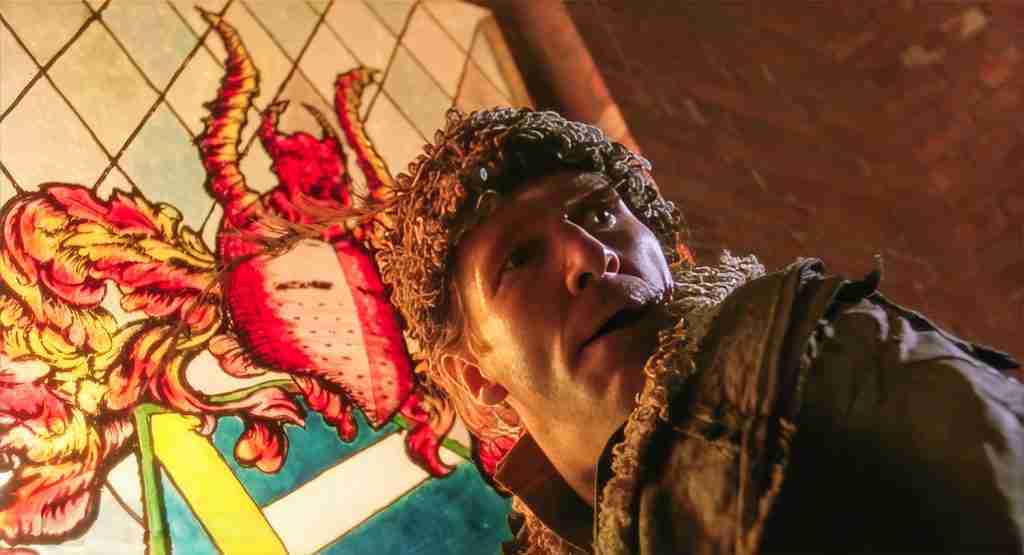
| 13 | Irreversible Commitment | m. 120 | Dressed in Parry’s rags, Jack scales a rope up the side of Carmichael’s castle-like townhouse. Furthermore, he commits to the heist that could end his life. Thus, this irreversible commitment is the thematic hinge: Jack finally chooses to risk everything for his friend, crossing into the same wild faith that defines Parry. |
Act III: The Grail and the Grace
Jack’s last wall of vanity finally crumbles when a desperate friend steals a child’s trophy cup in full fool’s regalia, turning a worthless trinket into a miracle powered by shared belief.
| Beat # | Beat Name | Time (m.) | Key Event / Description |
|---|---|---|---|
| 14 | Finale | m. 125-132 | Jack snatches the childhood “Grail,” triggers alarms (inadvertently saving the architect), and delivers it to Parry’s bedside. However, the cup works its magic—Parry awakens, Lydia returns, and Jack walks into Anne’s office, takes a slap, and finally says “I love you” like he means it. Consequently, this finale fuses external victory and internal rebirth, proving that grace is not granted—it is stolen by the desperate and given away by the healed through acts of radical friendship. |
| 15 | Final Image | m. 133-134 | Central Park at night. Jack and Parry lie on their backs cloudbusting; a cloud obediently parts and the full moon floods the frame. Meanwhile, the two men howl and sing like children who have survived the same war. Therefore, this final image seals the arc: two fractured souls now whole, laughing under the same sky that once witnessed their separate descents. |
Why The FISHER KING Beat Sheet is Essential for Writers
Structural Challenge: The Burden of Indirect Conflict
The unique narrative problem LaGravenese solved was creating a protagonist whose “antagonist” isn’t a person, but a haunting memory. However, Jack Lucas is battling the ghost of his own words. Traditionally, this leads to a static, internal movie. Nevertheless, The Fisher King solves this by externalizing Jack’s guilt through the character of Parry. In fact, Parry is not just a sidekick; he is the living mirror of Jack’s sin. Consequently, the internal conflict plays out through external “knightly” quests.
Universal Solution: The Archetypal Mirror
The film uses the “Fisher King” myth as a structural scaffolding to solve the pacing of a redemption arc. Furthermore, by framing Jack as the wounded King and Parry as the “Fool,” the script allows for a Midpoint shift where the healer and the healed swap roles. As a result, this solves the “Redemption Pacing” issue—where a character’s change feels unearned—by requiring the protagonist to literally “descend” into the world of the victim and adopt his wild faith to find the cure.
Value to Writers: The Weight of the “Grail”
For writers, The Fisher King is a masterclass in the Thematic Beat. In addition, it teaches that the “object” of the quest (the Grail/the cup) matters less than the state of mind of the person seeking it. Therefore, the structural lesson is clear: a character cannot achieve their External Goal until they have fully surrendered to their Internal Goal. Ultimately, Jack only gets the “Grail” when he stops trying to fix things rationally and starts acting with the same delusional belief that defines his friend—proving that true healing often requires embracing the very madness we once mocked.