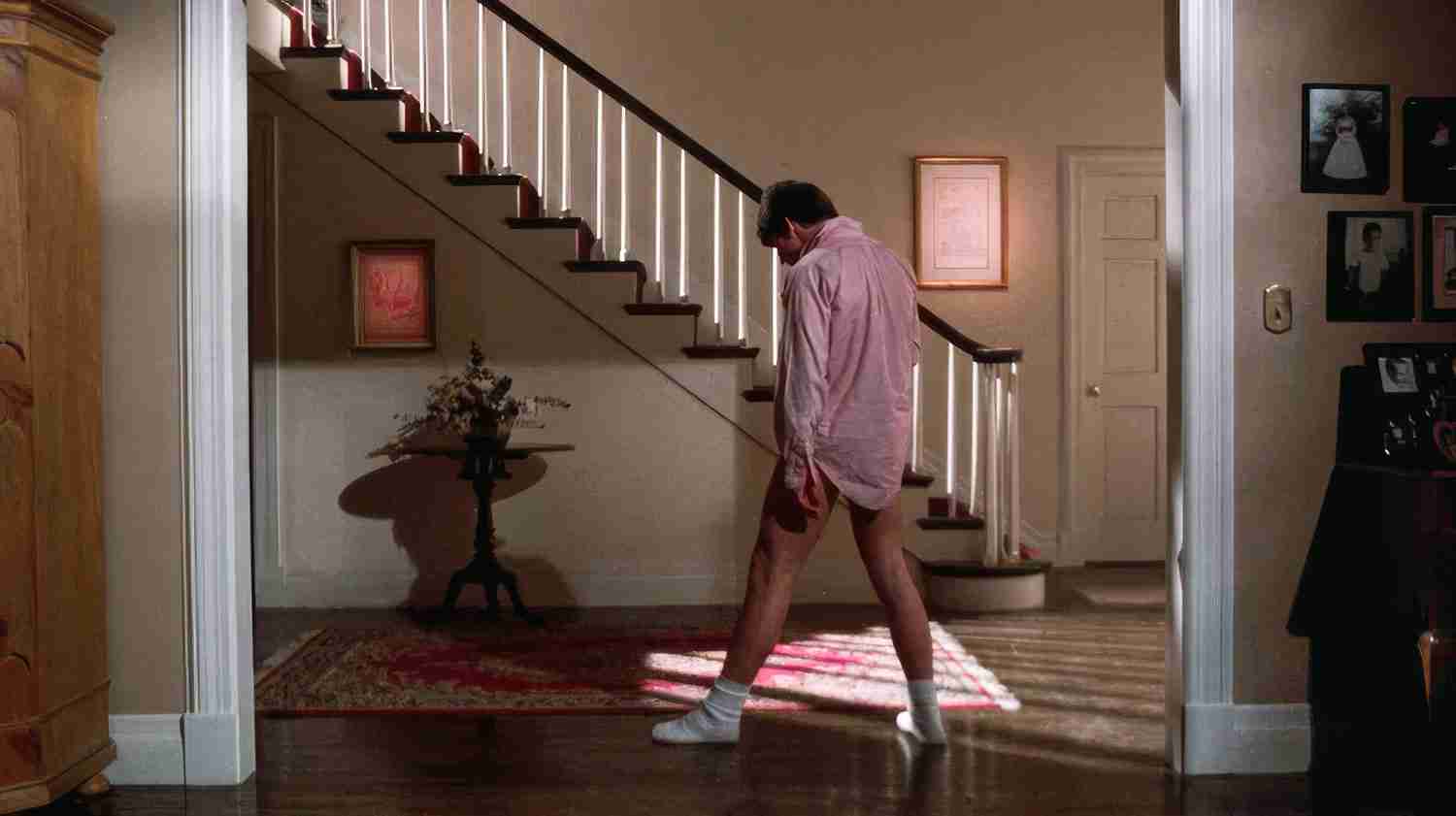

Deconstructing the Capitalist Coming-of-Age
While often compared to The Graduate (1967), Risky Business (1983) pivots toward a cynical reality. It moves from existential drift to a calculated hustle. Both films capture the friction between parents and their children. However, this Risky Business beat sheet/breakdown reveals a rebellion rooted in immediate gratification. It is a sharp critique of 1980s American capitalism. Maturity here is a cold entry into a high-stakes marketplace.
Note: The 15 Beats follow Save the Cat!’s structural order. The Minute Markers (m.) show the scene’s actual placement. They reflect the flexibility of narrative structure.

Act I: The Fragile Facade of Suburban Compliance
An overachiever’s rigid reality fractures during his parents’ vacation. A friend’s nihilistic advice propels him toward adult vice.
| Beat # | Beat Name | Key Event / Description |
| 1 | Opening Image | Subway imagery engulfs the screen. It establishes mechanical inevitability. This pulsing system marks his rigid confinement. (m. 1) |
| 2 | Theme Stated | Miles delivers the core philosophy. “What the fuck” brings freedom and opportunity. This challenges Joel’s guilt. (m. 8) |
| 3 | Set-up | We see Joel’s stifling life. He faces pressure regarding Princeton. His dreams of failure ignite the stakes of his rebellion. (m. 4-9) |
| 4 | Catalyst | Joel’s father shatters the weekend. He announces a Princeton interview. This Catalyst triggers Joel’s hidden desire for autonomy. (m. 10) |
| 5 | Debate | Joel wavers between duty and opportunity. Anxiety corrodes his resolve. This highlights his paralysis before the leap. (m. 12-25) |
| 6 | Break into Two | Joel calls Lana to solicit her services. This Break into Two marks his entry into a transactional reality. (m. 27) |
Act II-A: The Free Market of Desire and Disaster
A student forms a partnership with a call girl. He turns his father’s car into collateral for a high-risk venture.
| Beat # | Beat Name | Key Event / Description |
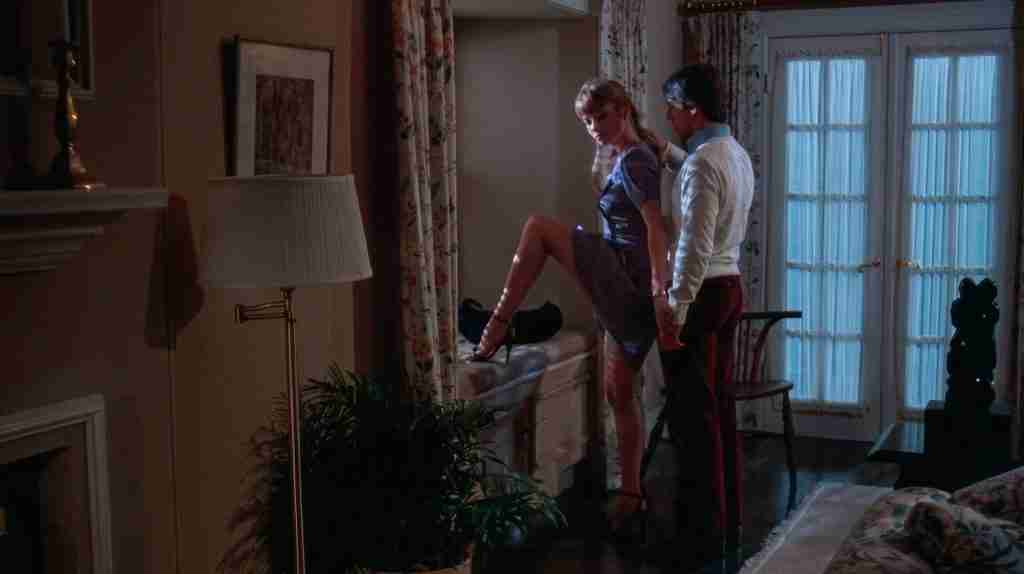
| 7 | B Story | Lana arrives. She seduces Joel with a capitalistic worldview. Their bond shifts the focus to moral compromise. (m. 29-30) |
| 8 | Fun and Games | Joel manages a stolen egg and a pimp. This Containment Effort shows a “good kid” using illicit skills to survive. (m. 32-58) |
| 9 | Midpoint | The father’s Porsche sinks into Lake Michigan. This Midpoint catastrophe shatters Joel’s illusions of control. (m. 60) |
Act II-B: Human Fulfillment and the Corporate Grind
Joel scales his operations to fund his recovery. He turns his home into a profit-generating machine.
| Beat # | Beat Name | Key Event / Description |
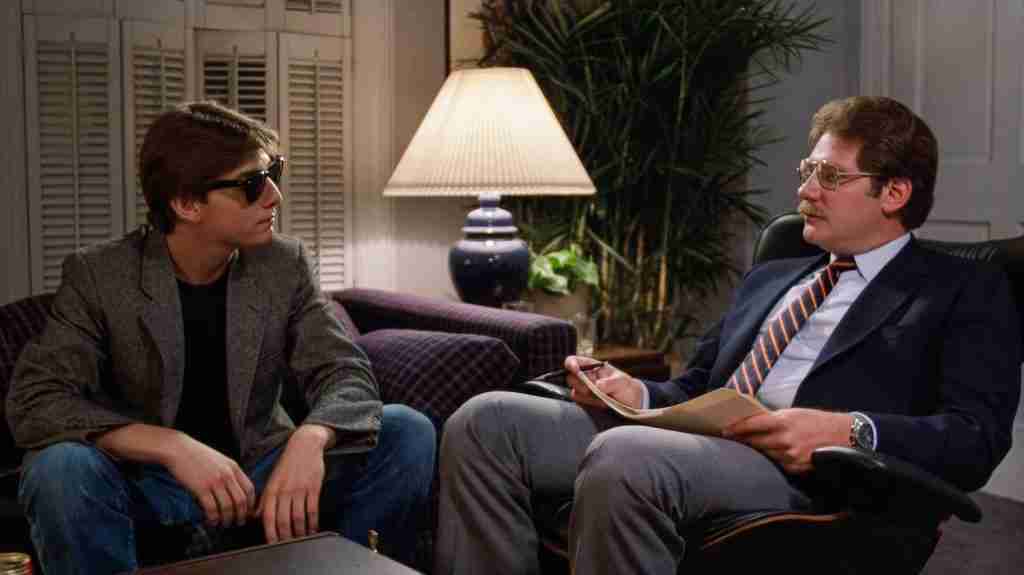
| 10 | Bad Guys Close In | Joel organizes a brothel night, reaching a state of Antagonist Consolidation as Guido looms and a Princeton recruiter arrives mid-chaos. This is a pivotal character pivot: Joel realizes he no longer fears his parents’ judgment. (m. 62-75) |
| 11 | All Is Lost | Joel finds his home stripped of all furniture. This “whiff of death” fractures his spirit and future. (m. 85) |
| 12 | Dark Night of the Soul | Joel sits in his hollow home. He must reconcile his guilt with a “sluggish economy.” This marks his internal collapse. (m. 87-88) |
Act III: The High Cost of Doing Business
The lines between illicit commerce and ambition blur. Joel gambles everything to restore his suburban mask.
| Beat # | Beat Name | Key Event / Description |
| 13 | Break into Three | Joel negotiates with Guido to buy back his life. This Irreversible Commitment signals his total embrace of the transactional world. (m. 88) |
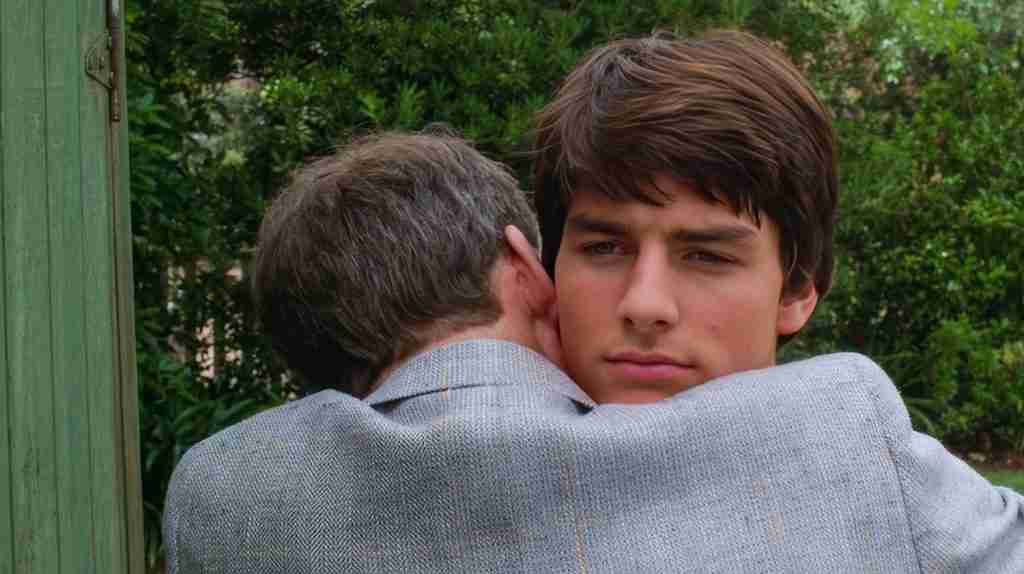
| 14 | Finale | Joel restores the house and aces the interview. He proves he has mastered the game while appearing dutiful. (m. 89-94) |
| 15 | Final Image | Joel and Lana acknowledge their mutual exploitation. He is now a cynical producer of capital. His arc is complete. (m. 95-96) |
Why This Risky Business Breakdown is Essential for Writers
Solving the High-Stakes Domestic Disaster
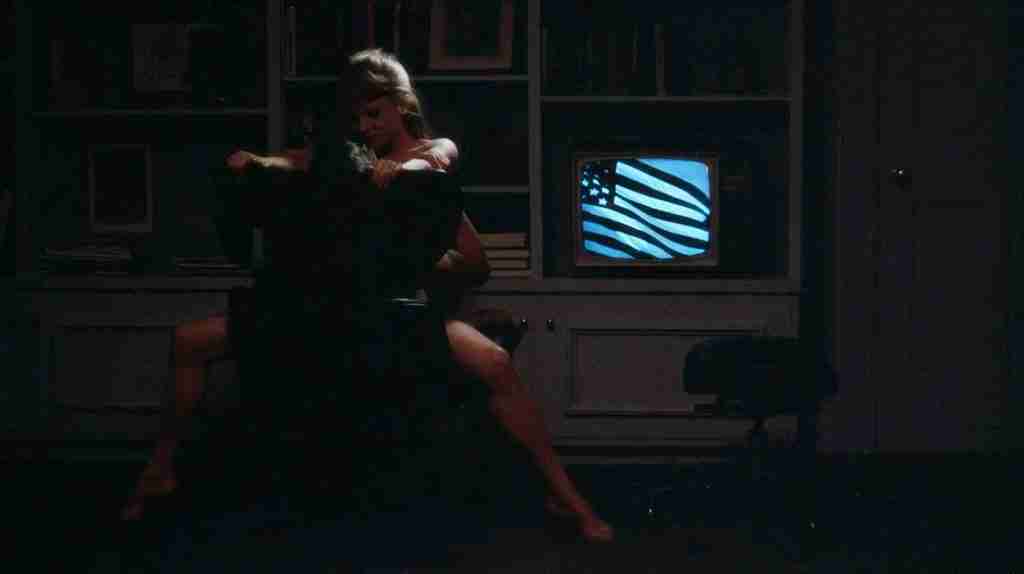
This Risky Business breakdown shows how a teen comedy becomes a thriller. Paul Brickman attached life-altering consequences to adolescent mischief. The Porsche and Princeton provide professional stakes. This treats the pimp as a corporate competitor. It maintains a consistent tone of “capitalist dread.”
The Innovation of Structural Compression
The film merges two worlds at the Antagonist Consolidation. The Princeton interview and the brothel night happen together. This creates multivariate tension.
Forced Synthesis for Maximum Irony
Joel doesn’t succeed despite the crime. He succeeds because of it. The “What the fuck” attitude earns him the Ivy League spot. Writers should study this. If your B-Story feels distant, force it into the same room as your A-Story. It creates a “Pressure Cooker” effect.
Subverting the Moral Character Arc
This film is a masterclass in subversion. Most heroes learn that crime doesn’t pay. Joel learns that risk is the foundation of success. He succeeds externally by failing internally. This creates a satisfying, deeply cynical resolution. Use this Risky Business breakdown to master the art of the ironic ending.




Inciting Incident is dropping the parents off at the airport… yes. But let’s be clear, it has nothing to do with Princeton or a Princeton interview.
Nothing to do w/ Princeton? His father setup the interview. Climax = getting into Princeton.
The climax is that he’s rewarded for his actions. He lost all his money, but he got into Princeton.
The climax is Joel being with Lana and thus becoming a man. CLIMAX. The remaining parts of the film support this work of becoming a man.
Just top notch. Love this take. Have watched the picture many times since it came out. Still damn relevant an inspiring. Great work.
Thanks, Carlos – Risky Business is still one of my favorite movies.