

Deconstructing the Rebel’s Costly Fight for Freedom
R.P. McMurphy arrives at the hospital as a clever convict who wants an easy escape from prison work. However, his wild energy soon sparks a real battle against the cold, controlling system led by Nurse Ratched. As a result, the film moves from fun rebellion to heartbreaking sacrifice, all while staying mostly inside one main location—except for the brief, liberating deep-sea fishing trip that McMurphy engineers to give the patients a taste of real freedom outside the walls.
Note: The 15 Beats follow Save the Cat! order. Meanwhile, the Minute Markers (m.) show where scenes actually happen in the 132-minute film. Because of this, some markers appear out of beat order. This shows how flexible—and subjective—story structure can be.
Act One: Setup (Beats 1-5)
First, the film shows the quiet, strict life inside the ward. Then, McMurphy crashes in and starts to shake everything up.
| Beat # | Beat Name | Minute Marker (m.) | Description |
|---|---|---|---|
| 1 | Opening Image | 1-4 | A calm Oregon sunrise quickly cuts to the cold ward. Patients take pills to soft music while Nurse Ratched walks in wearing black. |
| 2 | Theme Stated | 13 | Dr. Spivey asks if McMurphy is faking. He answers that he is a “marvel of modern science.” So, the theme appears: institutions kill free thought. |
| 3 | Set-Up | 10-29 | McMurphy gets checked, tries basketball with Chief Bromden, watches Ratched twist group talks, and spits out his pill to show he won’t follow rules. |
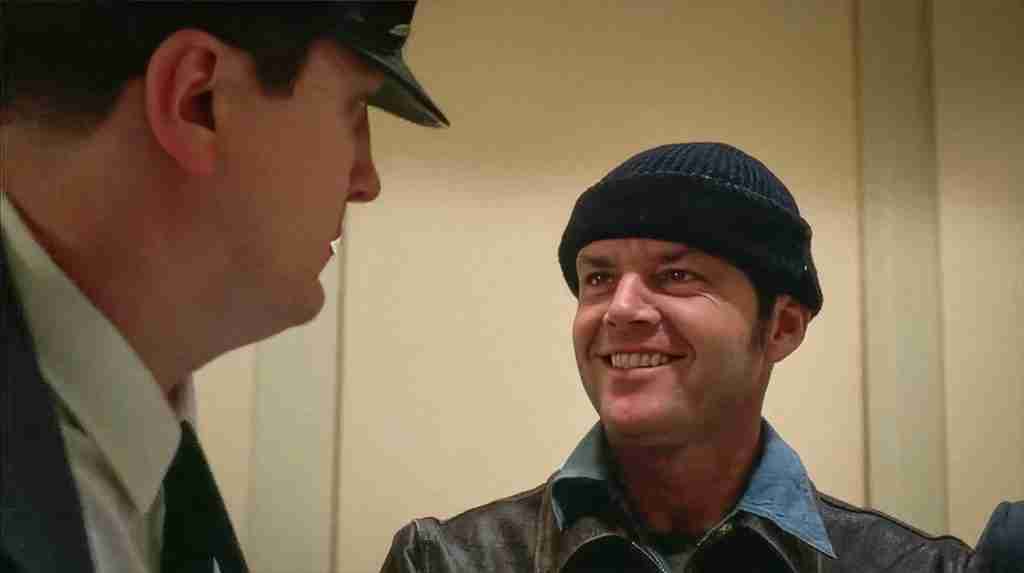
| 4 | Catalyst (Inciting Incident) | 6 | Handcuffed McMurphy steps in laughing loudly and even kisses a guard. Therefore, chaos enters the quiet ward right away. |
| 5 | Debate | 20-32 | McMurphy tests the rules and talks to Chief. At the same time, patients wonder if he can really beat Ratched. So, he starts to question: fight or give in? |
Act Two, Part A: Action and Midpoint (Beats 6-10)
Next, McMurphy turns from troublemaker to leader. For example, he gives the patients real moments of freedom—like the fishing trip.
| Beat # | Beat Name | Minute Marker (m.) | Description |
|---|---|---|---|
| 6 | Break into Two (End of Act One Turn) | 32 | McMurphy bets the group he can break Ratched’s control. Thus, he fully jumps into the fight. |
| 7 | B Story | 23-53 | His bond with Chief Bromden grows slowly—from basketball games to helping him climb a fence. Therefore, this friendship becomes the heart of the movie. |
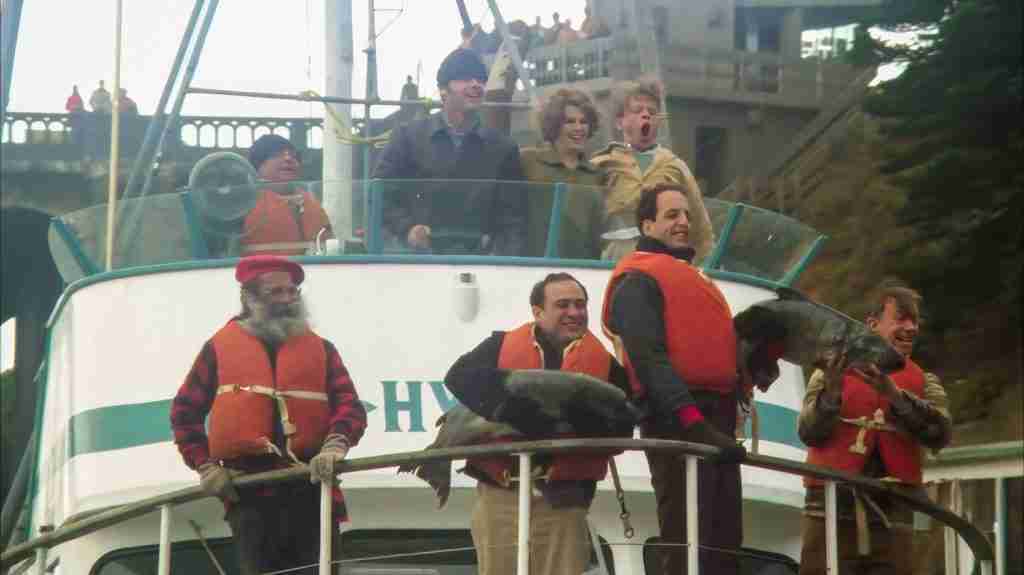
| 8 | Fun and Games (The Containment Effort) | 34-65 | McMurphy tries (and fails) to lift the heavy console, calls a fake baseball game, and steals a bus for the wild fishing trip. As a result, the men taste real freedom on the open water. |
| 9 | Midpoint | 66 | The group returns with fish and big smiles, even though police wait at the dock. So, this happy peak raises the stakes. |
| 10 | Bad Guys Close In (Antagonist Consolidation) | 73-80 | Ratched decides to keep and crush McMurphy. Meanwhile, he learns most patients chose to stay. Therefore, the system’s real power becomes clear. |
Act Two, Part B: Despair and Payoff (Beats 11-13)
However, the system fights back hard. Consequently, hope starts to break.
| Beat # | Beat Name | Minute Marker (m.) | Description |
|---|---|---|---|
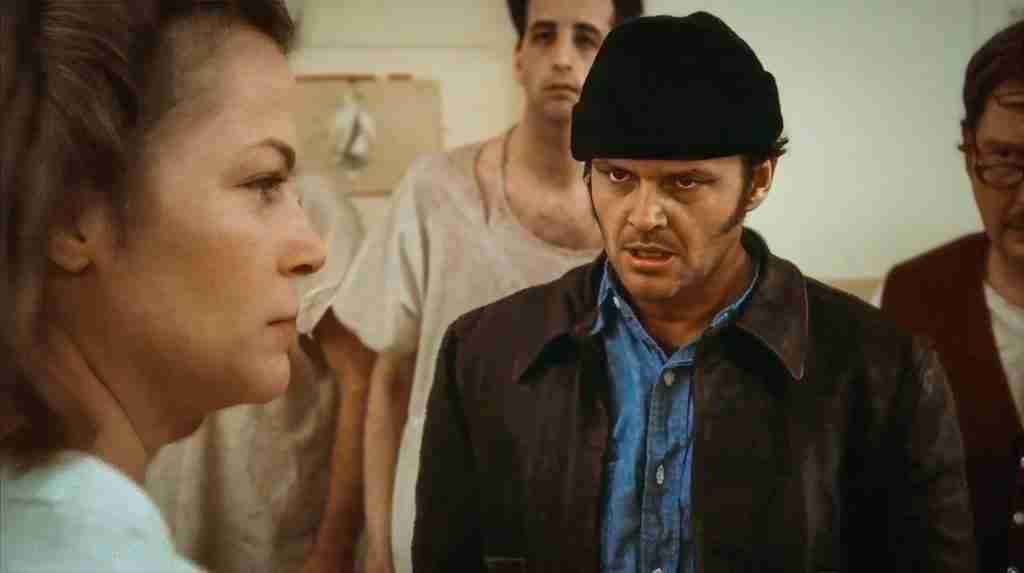
| 11 | All Is Lost (End of Act Two Turn) | 84-90 | After a big fight and shock treatment, the ward feels hopeless again. So, the rebellion seems finished. |
| 12 | Dark Night of the Soul (End of Act Two Decision) | 84-90 | McMurphy finds out Chief can speak and they plan to run. Yet after shock therapy, he still finds ways to joke and lift spirits. Therefore, he chooses to keep fighting. |
| 13 | Break into Three (Irreversible Commitment) | 123 | Billy kills himself after Ratched shames him. As a result, McMurphy attacks her in pure rage and gives up any chance to escape. |
Act Three: Resolution (Beats 14-15)
Finally, defeat turns into a strange kind of victory through sacrifice.
| Beat # | Beat Name | Minute Marker (m.) | Description |
|---|---|---|---|
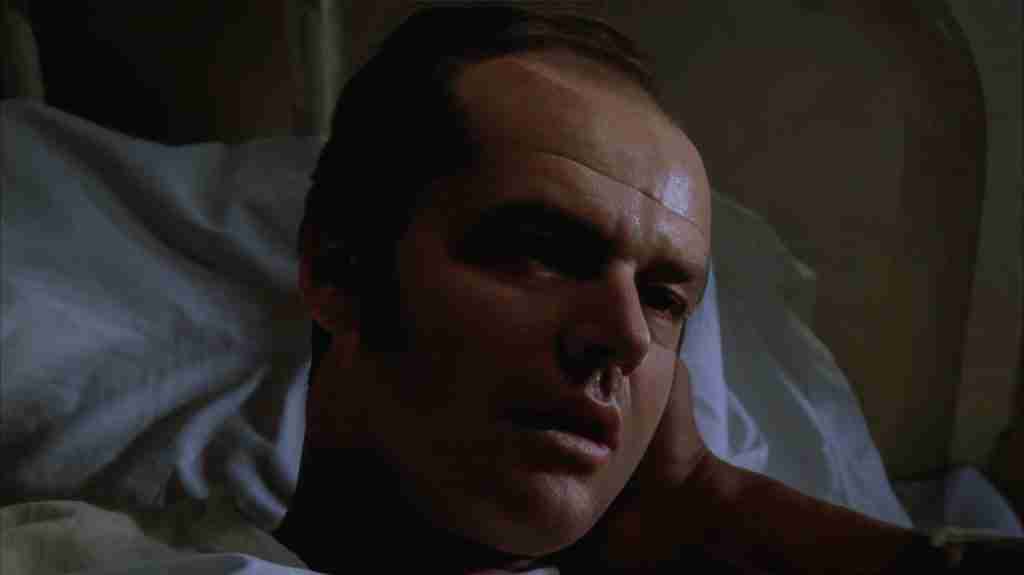
| 14 | Finale (Climax) | 124-131 | McMurphy comes back lobotomized and empty. Chief gently ends his suffering, then smashes the heavy console through the window and runs free. |
| 15 | Final Image | 132 | Chief disappears into the morning mist, tall and strong. Thus, the story ends with hope instead of the opening’s trapped feeling. |
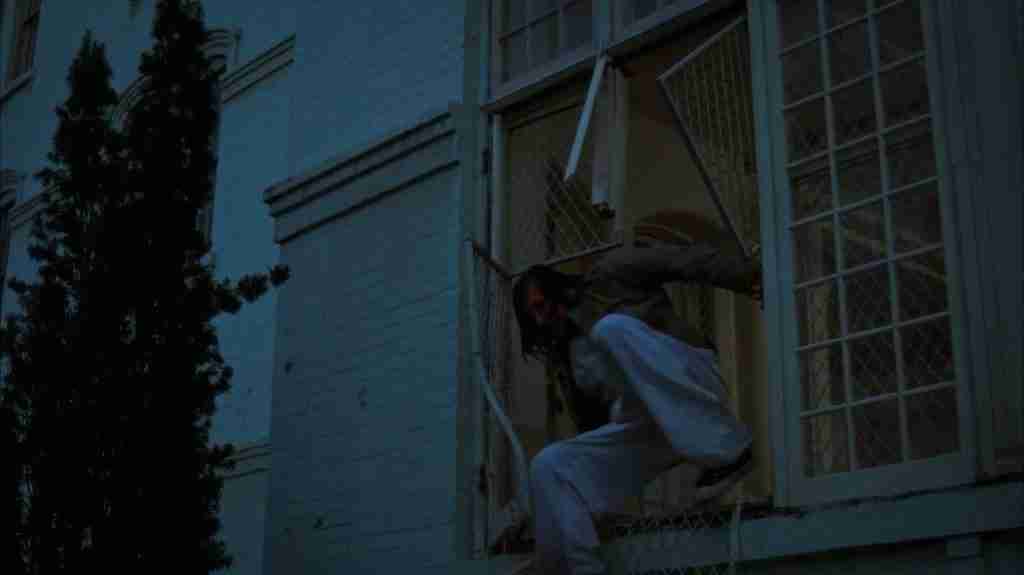
Why This One Flew Over the Cuckoo’s Nest Beat Sheet Helps Writers
Keeping Tension High in One Location
The whole story stays mostly in one ward. Still, it never feels slow. Instead, it builds drama through changing emotions, power plays, and character growth. The brief fishing trip adds a burst of fresh air and contrast, making the return to confinement hit much harder. Therefore, writers learn how to create movement without changing scenery.
A Clear Guide for Rebellion-Against-the-System Stories
This One Flew Over the Cuckoo’s Nest beat sheet shows how to mix fun rebellion (like the fishing trip) with real pain and cost. Moreover, it proves you can make a scary villain using rules and control instead of violence. As a result, it becomes a perfect model for similar stories in any genre.
Building Powerful, Emotional Endings
The film ends with a sad loss (the lobotomy) but also a big win (freedom lives on). Because of this, writers see how to create endings that feel both tragic and uplifting. Consequently, the theme of unbreakable spirit stays with you long after the movie finishes.
Use this One Flew Over the Cuckoo’s Nest beat sheet as your go-to guide for studying tight structure, deep themes, and emotional power in screenwriting. For more on Save the Cat! structure, check out Blake Snyder’s official site. If you’re exploring more beat sheets, see our The Godfather analysis or Casablanca beat sheet.


Reading through this beat sheet makes me want to view this phenomenal film yet again.
Thanks, Kathryn. It had been awhile since I’d seen it. If you get a chance, check out the screenplay. It opens on the prison work farm with McMurphy threatening suicide from the top of a water tower. This fishing trip is a different, too — a Coast Guard Cutter catches them at sea (Candy is not on the boat). Ratched brings McMurphy in for all the patients to see after his lobotomy. They definitely made a lot of little changes while filming.
Excellent work, Rob!
In Story Maps we Trust, Mr. Calvisi. In Story Maps we Trust.
Wow! An incredibly helpful tool. Many thanks!