Editor’s Note: In light of the tragic passing of Rob Reiner and his wife, we are dedicating this week to analyzing the structural brilliance he left behind. He didn’t just direct movies; he built emotional architectures that will stand forever. This is how he did it.
Getting Started: Why The Princess Bride Endures as a Masterclass in Meta Storytelling
The Princess Bride isn’t just a fairy tale—it’s a clever deconstruction of one, wrapped in humor, adventure, and heart. Adapted by William Goldman from his own novel, the 1987 film directed by Rob Reiner uses a metafictional frame to subvert expectations, blending swashbuckling action with witty commentary. At its core, it’s about true love conquering all, but the screenplay’s genius lies in how it pivots from lighthearted parody to genuine emotional stakes, teaching writers how to layer genres for depth. The story follows farmboy Westley’s quest to rescue Princess Buttercup from an unwanted marriage, aided by unlikely allies, while a grandfather reads the tale to his sick grandson. This dual narrative keeps the audience engaged, reminding us that stories can heal and connect across generations, as the grandson’s initial cynicism (“Is this a kissing book?”) gives way to enthusiasm.
Crafting the Core: Turning a Fairy Tale into a Witty, Multi-Layered Adventure
The screenplay confines much of the action to fantastical locales like the Cliffs of Insanity and the Fire Swamp, using them as pressure cookers for character revelations. It follows a classic three-act structure with a midpoint shift from abduction to deeper peril, but the meta interruptions add a modern twist, commenting on tropes while embracing them. The frame story acts as a “pressure valve,” cutting back to the real world during intense moments to validate skepticism and maintain a light tone.
The Princess Bride’s Place in History: Capturing 80s Whimsy and Becoming a Cult Classic
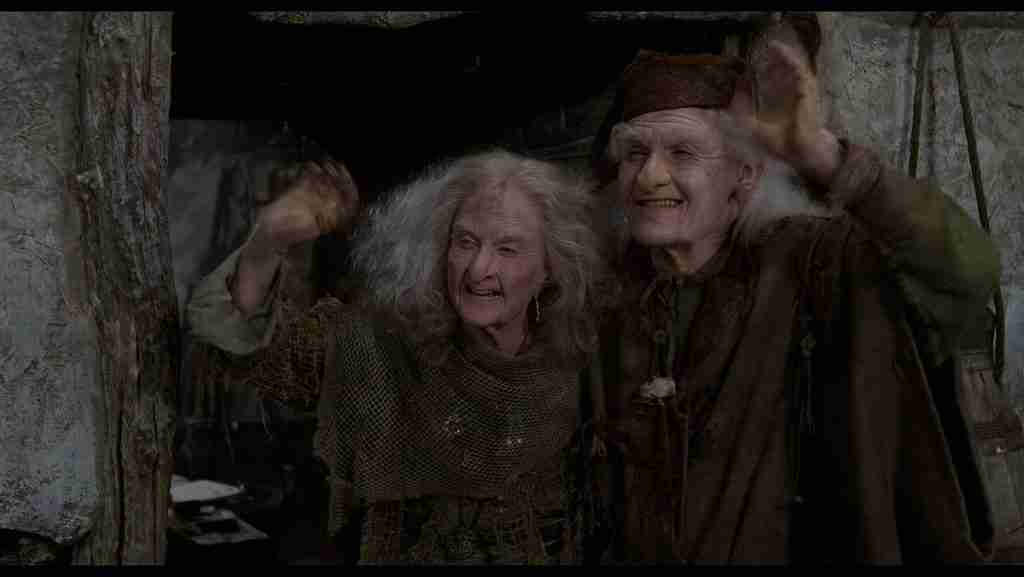
Released in 1987 amid a wave of fantasy films like Labyrinth and The NeverEnding Story, The Princess Bride blended adventure with comedy, influencing quotable cult hits like Shrek. Its modest box office ($30.8 million) belied its legacy as a home video staple, earning spots on AFI lists and the National Film Registry for its cultural significance. Goldman’s script, drawing from his novel, pokes fun at fairy tales while honoring them, setting a blueprint for postmodern storytelling.
Breaking the Mold: How a Frame Story Can Elevate Your Script’s Emotional Resonance
The midpoint—Westley’s “death” in the Pit of Despair—flips the script from playful escapades to desperate revival, forcing characters to confront loss. This twist reorients the narrative toward redemption, showing how a simple device like the grandfather’s interruptions can ground fantasy in real emotion, avoiding cliché. The grandson’s reactions mirror the audience’s, healing cynicism through the tale’s “true love” theme.
Blending Styles Like a Master: Weaving Romance, Comedy, and Action for Endless Replay Value
Mixing fairy-tale romance with screwball comedy and sword-and-sorcery action, the screenplay uses duels and chases to externalize internal conflicts. Romantic tension builds through “As you wish,” while comedic beats like Vizzini’s “Inconceivable!” undercut drama, creating a tone that’s both satirical and sincere. The “Three Trials” in Act II prove Westley’s worthiness, structuring fun and games around skill, strength, and wits.

Big Ideas That Stick: True Love, Revenge, and the Power of Stories
Core themes explore love’s endurance, revenge’s cost, and storytelling’s magic, delivered with humor to make them timeless.
True Love Conquers All: What Happens When Romance Defies Death?
Westley’s devotion, symbolized by “As you wish,” drives the plot, but his “mostly dead” state tests it, showing love as active sacrifice. As Miracle Max says, “True love is the greatest thing in the world—except for a nice MLT.” Tip for writers: Build romantic arcs through repeated motifs that evolve from subtle to overt.
The Weight of Vengeance: Turning Personal Pain into Purpose
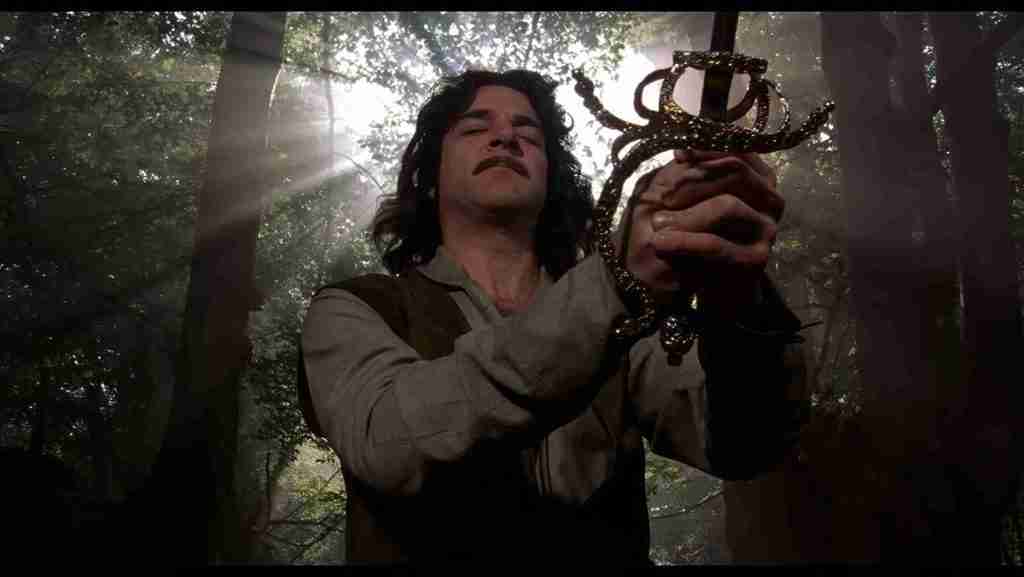
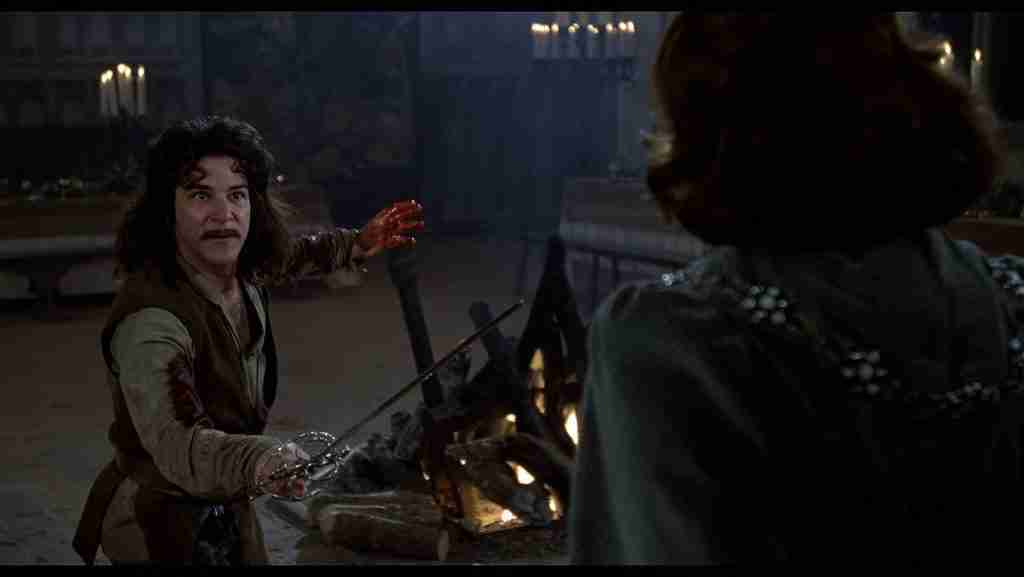
Inigo’s quest for the six-fingered man humanizes revenge, culminating in catharsis with his mantra: “Hello. My name is Inigo Montoya. You killed my father. Prepare to die.” It warns of obsession’s toll while rewarding persistence, balancing dark themes with hope.
Stories as Healing: Mentors and Meta Layers That Surprise
The grandfather’s narration frames the adventure, teaching the grandson (and audience) that stories foster empathy. Unexpected “miracles” like Max’s pill highlight how narratives bend rules for emotional payoff, with the frame resolving cynicism: “As you wish.”
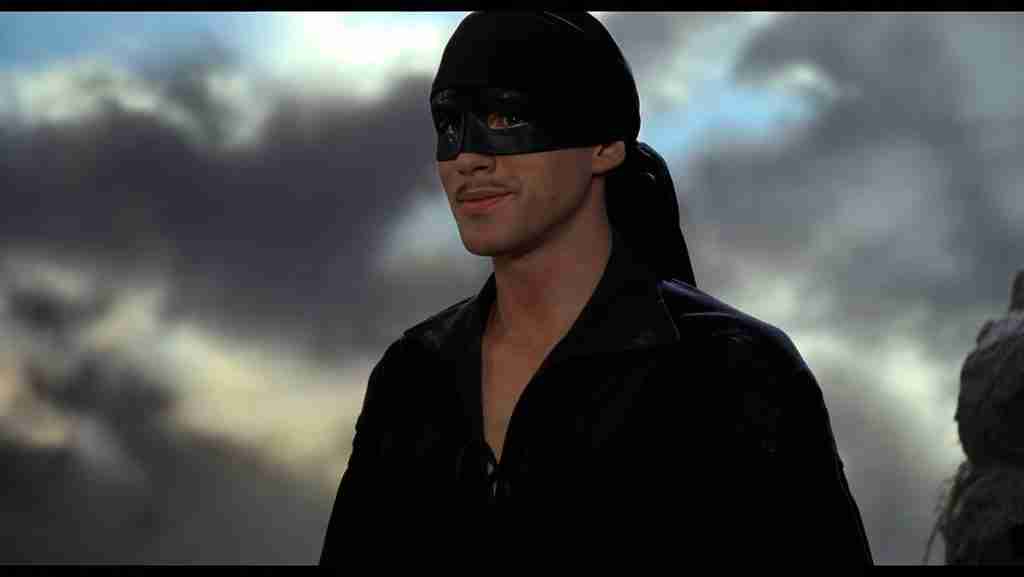
Meet the Crew: How Characters Spark Humor and Heart, with Lessons for Your Scripts
Goldman’s ensemble shines through distinct voices and arcs, each serving the theme of found family. Westley’s “Save the Cat” moments—sparing Inigo and Fezzik despite defeating them—establish him as noble, not ruthless.
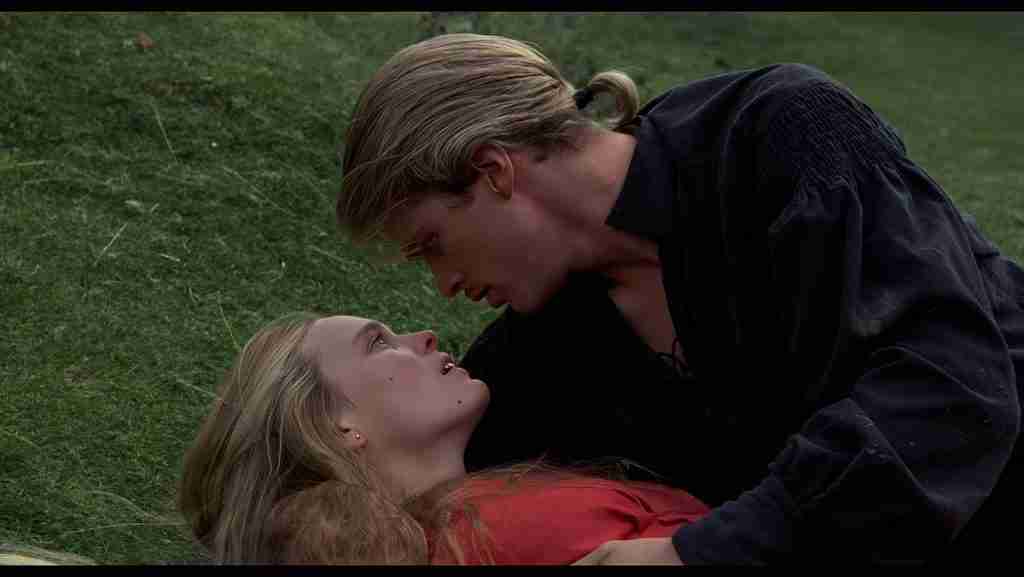
Westley / Dread Pirate Roberts (Cary Elwes): The Humble Hero Who Masters Disguise
From farmboy to pirate, Westley’s arc transforms obedience into heroic cunning, teaching writers to use masks for character growth. Quote: “I would as soon destroy a stained glass window as an artist like yourself.”
Buttercup (Robin Wright): The Damsel Who Finds Her Strength
Starting passive and spoiled, Buttercup evolves into a resilient partner, subverting tropes by choosing love over royalty and threatening suicide to defy Humperdinck.
Inigo Montoya (Mandy Patinkin): The Swordsman Driven by Honor
His iconic line builds to revenge’s resolution, showing how backstory fuels motivation. His quest parallels the romance as a B-story.
Fezzik (André the Giant): The Gentle Giant Who Rhymes His Way to Friendship
Fezzik’s strength hides vulnerability, his rhymes adding levity while his loyalty cements the team. Quote: “Anybody want a peanut?”
Vizzini (Wallace Shawn): The Scheming Sicilian Whose Hubris Dooms Him
A comic foil, his overconfidence leads to a witty demise, illustrating arrogance as a villain’s flaw. Quote: “Inconceivable!”
Prince Humperdinck (Chris Sarandon): The Arrogant Antagonist Plotting War
Cowardly yet cunning, he embodies corrupt power, contrasting true heroes. His betrayal raises stakes.
Count Rugen (Christopher Guest): The Sadistic Six-Fingered Man
His torture device amplifies cruelty, making Inigo’s vengeance satisfying.
Miracle Max (Billy Crystal): The Comic Healer Who Revives Hope
Improvised lines add humor, showing how side characters can steal scenes. Quote: “Have fun storming the castle!”
Grandfather (Peter Falk) and Grandson (Fred Savage): The Meta Narrators
Their interruptions humanize the tale, teaching vulnerability through storytelling. The grandson’s arc cures cynicism.
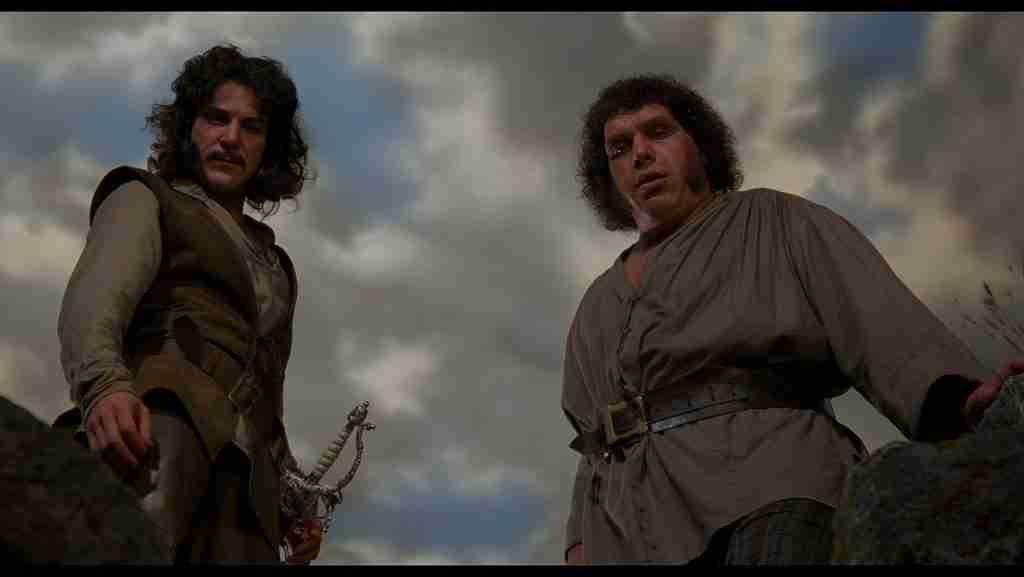
The Roadmap: Breaking Down the Acts for Seamless Genre Fusion
The screenplay divides into acts with the frame story weaving throughout, building from setup to triumphant resolution. Timings are approximate based on movie chapters.
Act I: Setting the Fairy Tale and Sparking the Quest (0:00-20:00)
Introduces the frame (sick grandson reluctant to hear the story), Buttercup and Westley’s romance, his “death,” and her betrothal. Kidnapping launches the adventure. Theme stated: “Fencing. Fighting. Torture. Revenge. Giants. Monsters. Chases. Escapes. True love. Miracles.”
Act II-A: Rising Adventures with Duels and Dangers (20:00-55:00)
Westley pursues the kidnappers, defeating them in battles of skill, strength, and wits. Reunion in the Fire Swamp deepens romance amid perils.
Act II-B: Hitting Despair and Rallying Allies (55:00-85:00)
Westley’s capture and torture lead to “death.” Inigo and Fezzik revive him, forming a trio to storm the castle.
Act III: The Climactic Rescue and Happily Ever After (85:00-End)
Wedding interruption, duels, and escapes culminate in victory, with the frame closing on “As you wish.”
Zooming In: A Beat Sheet to Guide Your Own Writing
Use this table-based beat sheet to map the screenplay’s flow, with page estimates from Goldman’s script (approx. 120 pages) and timings from chapters.
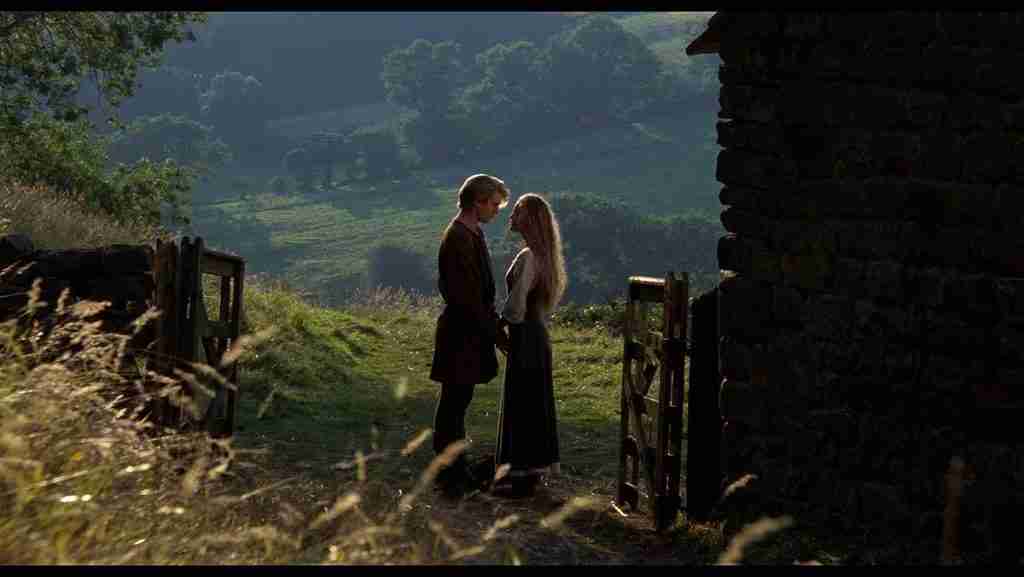
Act I: Building the World and Igniting Romance
| Sequence | Beat | Key Events |
|---|---|---|
| Opening Frame | Inciting Incident | Grandfather starts reading to skeptical grandson (0:00-2:00, Pages 1-5). Quote: “Is this a kissing book?” (Chapter 1) |
| Farm Life | Setup Romance | Buttercup bosses Westley; he replies “As you wish” (2:00-10:00, Pages 6-10). (Chapters 2-3) |
| Departure & Betrothal | Call to Adventure | Westley leaves; reported dead. Buttercup engaged to Humperdinck (10:00-15:00, Pages 11-15). |
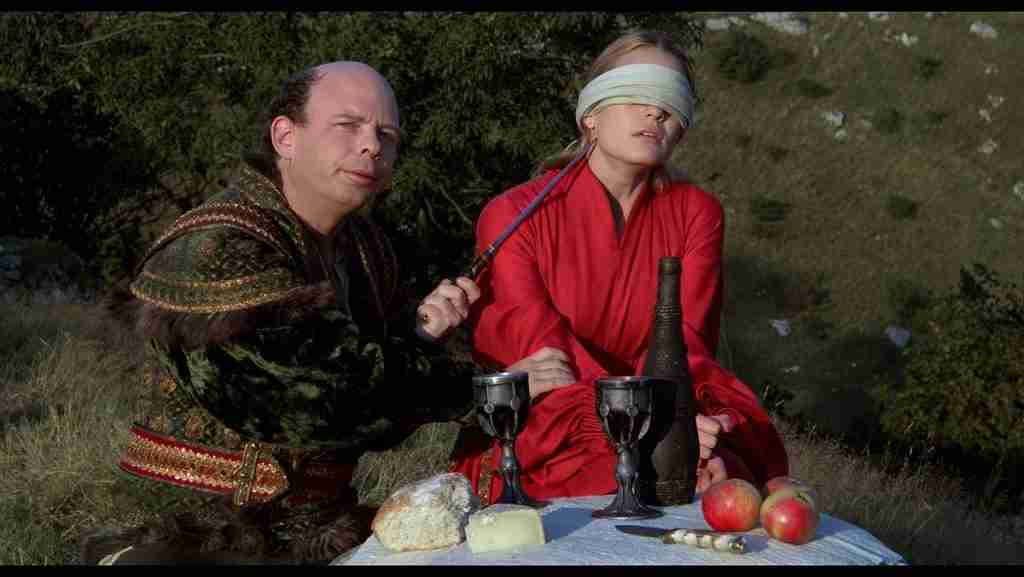
| Kidnapping | End of Act I | Vizzini, Inigo, Fezzik abduct Buttercup; Westley pursues (15:00-20:00, Pages 16-20). (Chapters 4-5) |
Writing Challenge: Craft an opening sequence that hooks with meta commentary, like the grandson’s interruptions.
Act II-A: Rising Tensions with Heroic Trials
| Sequence | Beat | Key Events |
|---|---|---|
| Cliffs Climb | First Challenge | Group scales Cliffs; Westley follows (20:00-25:00, Pages 21-30). (Chapter 6) |
| Sword Duel | Battle of Skill | Westley vs. Inigo: “You seem a decent fellow. I hate to kill you.” Westley spares him (25:00-35:00, Pages 31-40). (Chapters 7-8) |
| Wrestling | Battle of Strength | Westley chokes Fezzik; spares him (35:00-40:00, Pages 41-45). (Chapter 9) |
| Poison Game | Battle of Wits | Westley outsmarts Vizzini: “You fell victim to one of the classic blunders!” (40:00-45:00, Pages 46-50). (Chapter 10) |
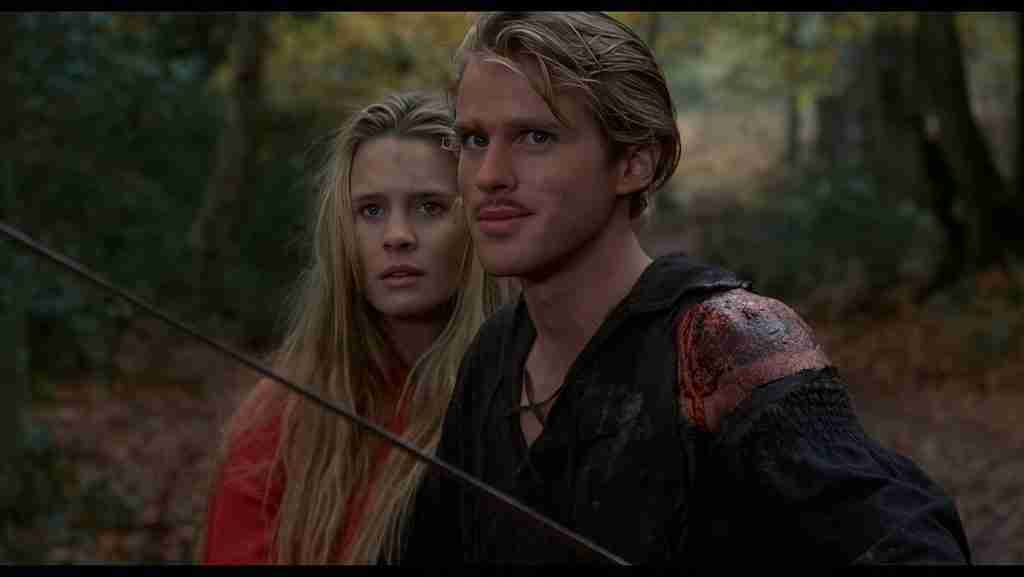
| Reunion & Swamp | Midpoint Build | Buttercup realizes Westley lives; they navigate Fire Swamp (45:00-55:00, Pages 51-60). (Chapters 11-13) |
Writing Challenge: Design a montage of escalating trials that reveal character strengths and flaws, like the “Three Trials” proving Westley’s superiority.
Act II-B: Wrestling with Loss and Forming Alliances
| Sequence | Beat | Key Events |
|---|---|---|
| Capture | Dark Turn | Humperdinck arrests them; Westley to Pit (55:00-60:00, Pages 61-70). (Chapters 14-16) |
| Torture | Rock Bottom | Rugen tortures Westley; Humperdinck kills him with “The Machine” at 50 (60:00-75:00, Pages 71-80). Grandson interrupts: “You mean he wins? Jesus.” (Chapters 17-20) |
| Revival | Turning Point | Inigo, Fezzik seek Miracle Max; pill revives Westley (75:00-85:00, Pages 81-90). (Chapter 21) |
| Planning | End of Act II | Trio plans castle storm (85:00, Pages 91-95). (Chapter 22) |
Writing Challenge: Write a “dark night of the soul” where loss forces unlikely alliances, using meta breaks to relieve tension.
Act III: Epic Rescue and Narrative Closure
| Sequence | Beat | Key Events |
|---|---|---|
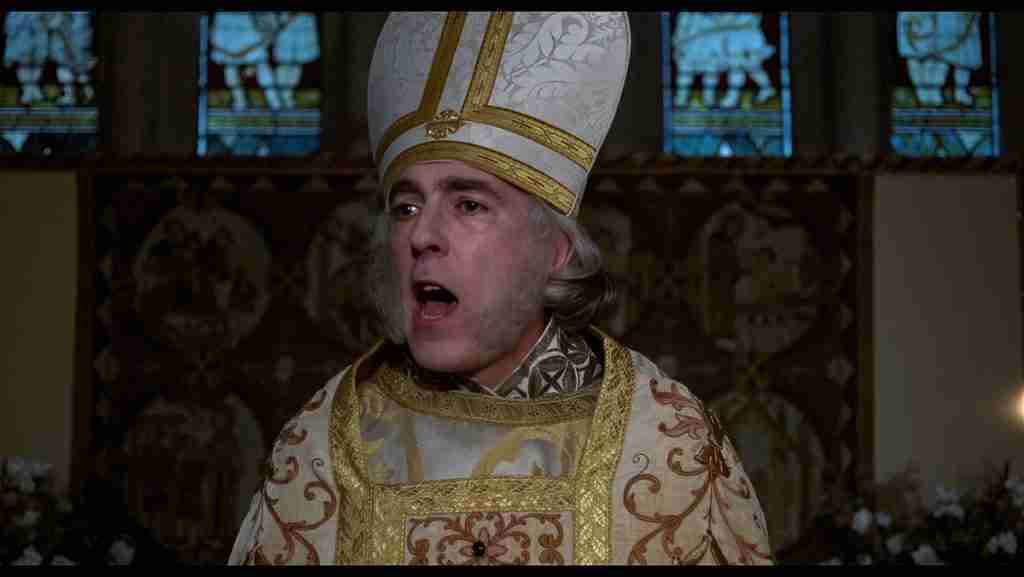
| Wedding Crash | Climax | Inigo kills Rugen; Westley bluffs Humperdinck: “To the pain!” (85:00-95:00, Pages 96-110). (Chapters 23-25) |
| Escape | Resolution | Group flees on horses; Westley passes pirate title (95:00-End, Pages 111-115). |
| Frame Close | Denouement | Grandson asks for reread: “As you wish” (End, Pages 116-120). (Chapter 27) |
Writing Challenge: Engineer a climax that ties multiple arcs with humor and heart.
Why The Princess Bride Still Teaches Aspiring Writers to Dream Big
Goldman’s script proves blending parody with sincerity creates enduring magic, teaching emotional depth in genre fare. Apply these lessons: Use meta elements for engagement, build quotable dialogue, pivot midpoints for surprises, and employ structures like the “Three Trials” and “Save the Cat” moments for character likability. Inconceivable? Not with this blueprint.