William Robert Rich

William Robert Rich

William Robert Rich is the editor of ScreenplayHowTo.com (SHT) and co-author of Story Maps: The Films of Christopher Nolan. Based in Brooklyn, New York, William's unique approach to narrative analysis fuses his background as a former teacher and a software engineer. He realized that the efficient logic of code and the clear pedagogy of the classroom could be applied directly to screenwriting. This data-driven approach allows him to rigorously analyze a screenplay's logic and identify structural inconsistencies, forming the foundation of all the high-authority beat sheets and structural insights featured on SHT. He makes the engineering of a great story easy to learn.

Three Billboards Outside Ebbing, Missouri: The Architecture of Hope and Vigilantism

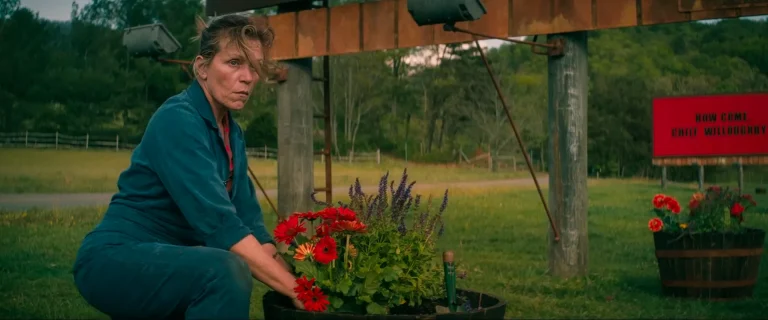
Mildred Hayes tends red flowers at the base of her billboards in Three Billboards Outside Ebbing, Missouri

Martin McDonagh has repeatedly told interviewers Three Billboards Outside Ebbing, Missouri is not a film about vigilantism. The screenplay he wrote disagrees. This Three Billboards analysis traces the architecture of the film's open ending — from the violent households that produced Mildred and Dixon, through the Willoughby letters that reroute revenge into grace, to the shotgun in the trunk that travels with Dixon's intent across the road trip's final scene. The evidence on both sides is laid out. Whether what these two find in each other is hope or shared self-destruction is the question the film leaves you with.

The Thing Ending Explained: Is Childs the Thing?

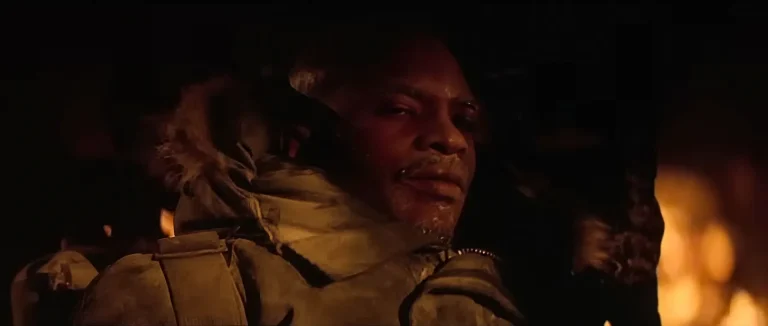
Childs sits frost-covered by the burning outpost in The Thing's final scene, the shot behind the "is Childs the Thing" debate

John Carpenter's The Thing ends on two frozen men and one question that has split fans for forty years: is Childs the Thing? This breakdown sets every famous clue — the missing breath, the earring, the shared drink, the rearranged coats — against what the film actually shows, and reveals why the argument never closing is the closest thing to an answer the film will give.

Parasite (2019) Analysis: Vertical Allegory and the Fragility of Class

Parasite 2019 analysis: the Kim family folds pizza boxes in their banjiha semi-basement apartment

Bong Joon-ho's masterpiece begins as a shrewd, black-comic heist before devolving into visceral tragedy. This deep analysis maps its vertical allegory, the odor motif, and the scholar's-rock symbol — plus what the Korean original encodes that subtitles can't — to expose how Parasite turns class inequality into an inescapable, devastating indictment of capitalism.

Anton Chigurh Explained: His Motive, His Code, Why He Kills

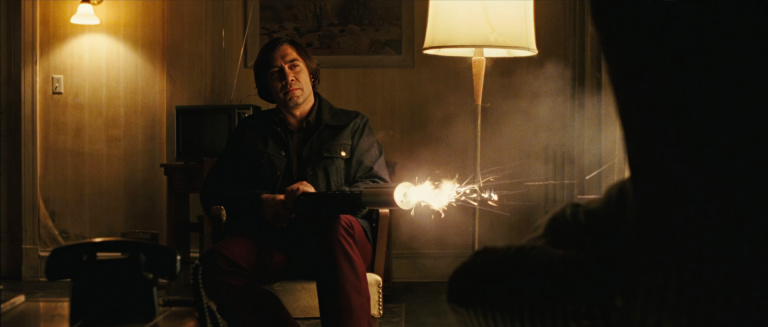
Anton Chigurh firing the bolt gun in No Country for Old Men

Most people who encounter Anton Chigurh for the first time reach for the same word: chaos. It's the wrong word — and what he actually represents is considerably worse. When a peer-reviewed forensic psychiatry study surveyed 400 films for clinically realistic psychopaths, Chigurh is the character it singled out — and compared to a real Mafia contract killer. His haircut came from a 1960s border brothel photograph. His bolt gun was custom-built in two versions. His coin toss traces back to Cormac McCarthy's years embedded with physicists at the Santa Fe Institute. None of it was accidental. This is a breakdown of every craft decision that made him unforgettable.

Evelyn Mulwray: The Woman Noir Was Trained to Convict

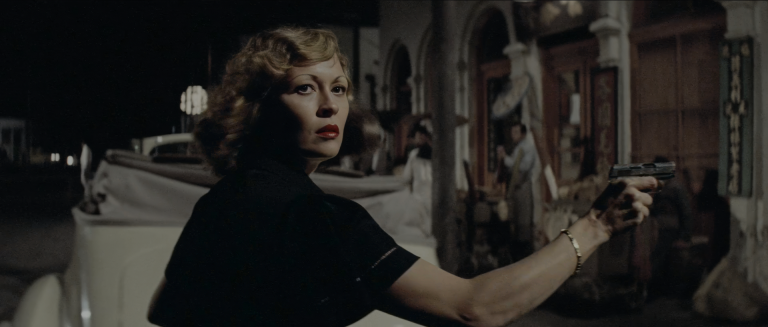
aye Dunaway as Evelyn Mulwray at night on a Chinatown street, looking back over her shoulder in a black dress and red lipstick, pointing a pistol off-frame beside a white convertible.

Evelyn Mulwray walks into Chinatown wearing every cue the femme fatale tradition ever built, and the genre had spent thirty years teaching audiences exactly what to do with them: convict her. In 1974, nobody saw what was coming — the training made sure of it. This Evelyn Mulwray character analysis follows the film from her side: the investigation the camera never shows, the trust she never chose, and the twist that made the whole theater feel like Jake Gittes.

Chinatown Ending Explained: Who Shot Evelyn & the Last Line

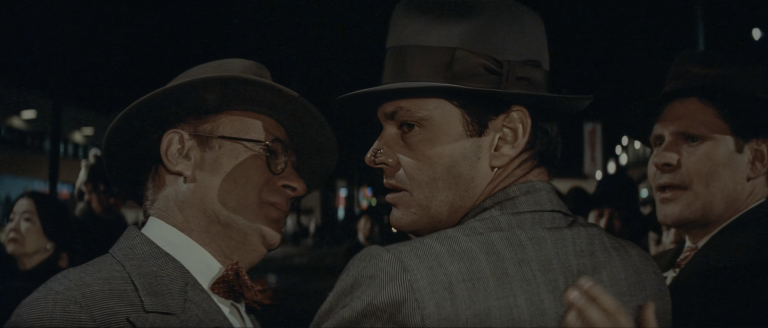
Jake Gittes, a bandage across his nose, stands face to face with Walsh in wire-rim glasses on a dark Chinatown street as Duffy looks on

Fifty years on, the Chinatown ending still empties the room. Most people come looking for the mechanics — who fired the shot that killed Evelyn, why Jake grabs the cop's arm, what Walsh means by that last line — and those answers are here. But the harder question is why the ending exists at all. Robert Towne wrote one version; Roman Polanski shot another, and the distance between them is the whole argument: about power, about American evil, about whether a story like this was ever allowed to end another way. Here's the Chinatown ending explained — mechanics first, then meaning.

Martin Scorsese AI: What the Backlash Gets Wrong

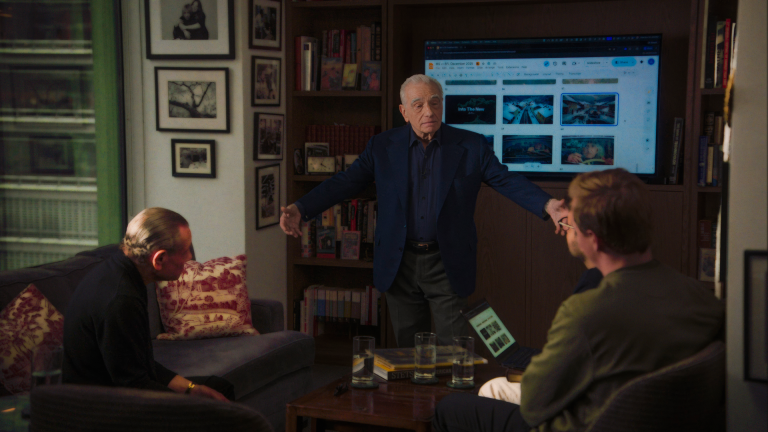
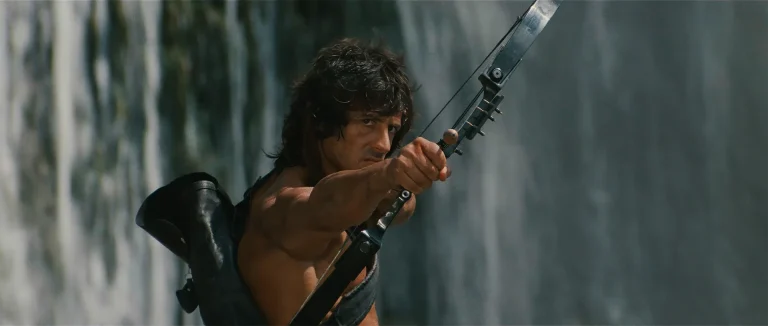
Martin Scorsese demonstrating AI in filmmaking during a FLUX storyboarding session at Black Forest Labs

When Martin Scorsese backed an AI company, the film world didn't argue — it mourned. Within two days the verdict was in: washed goat, sellout, grandpa lost the plot. Strip away the memes, though, and the backlash isn't one objection. It's four, stacked into a single word, and most of them have nothing to do with whether AI belongs in filmmaking at all. Only one survives a close look. Here's how the loudest movie controversy of the year falls apart when you stop shouting and start separating its parts — and why the one argument left standing is the one worth keeping.