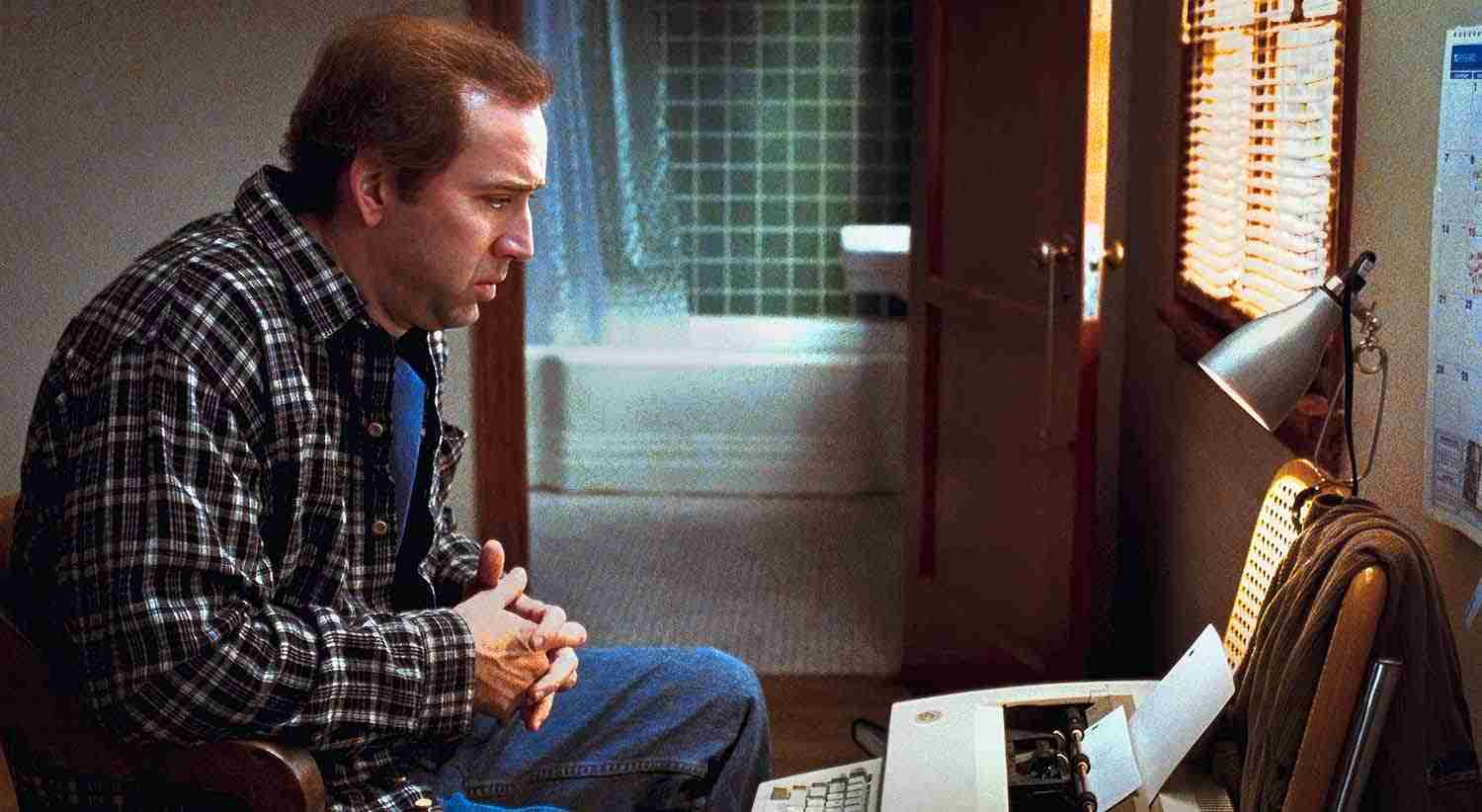

The Reluctant Writer’s Discovery
We’ve all been there. You have a killer idea, the dialogue is already firing in your head, and all you want to do is race to the page. Then someone—a script coach, a mentor, or maybe just that critical voice in your head—whispers, “Did you do a beat sheet first?”
The idea of structure can feel counter-intuitive. It often feels like it will slow you down, or worse, crush the spontaneous magic of your creative process.
But then, you try it.
A key realization for many successful writers is overcoming the initial reluctance toward structure. The creative mind often views organization tools, like a beat sheet or detailed outline, as an unwelcome compromise—a forced academic exercise that threatens to stifle spontaneous inspiration. However, this resistance often collapses into a moment of profound clarity, much like realizing that a formerly disliked character in your own story has just made an undeniably good point. When a writer finally embraces a structured approach, they discover that organization doesn’t constrain creativity; it surprisingly makes the entire writing process faster and profoundly easier to execute.
The secret is simple: Structure doesn’t kill creativity; it liberates it.
Why We Hesitate (And Why It Matters)
The initial hesitation to embrace tools like the beat sheet is common: it feels like required homework when you want to be creating art. We often confuse “free-flowing” with “good,” believing the best writing should emerge fully formed.
However, when structure is absent, writers often face predictable roadblocks:
- You hit the infamous mid-point slump and run out of steam.
- Your killer opening scene has nowhere to go.
- You end up endlessly tweaking dialogue because the underlying scene purpose is unclear.
- You write yourself into a corner, leading to frustrating and time-consuming rewrites.
Structure is a Compass, Not a Cage
The core realization from the writing community is that a beat sheet isn’t meant to dictate what to write, but to clarify when to write it. It’s a road map that ensures your character’s journey and your plot’s architecture are sound before you worry about the execution (the dialogue).
When you use a reliable structural tool, you replace uncertainty with confidence. You gain permission to write dialogue that truly matters because you know exactly what emotional and plot function that scene needs to serve. This is the essential beat sheet benefit—it makes the writing “easier to do.”